




The Small Space Squeeze
As property sizes in urban India continue to shrink, homeowners and renters face the puzzle of creating a comfortable and stylish living space within a limited footprint. The default logic seems simple: small space, small furniture. This has led to a market
flooded with downsized sofas, miniature armchairs, and coffee tables that feel more like footstools. While the intention is to save space, this approach can often backfire, leading to rooms that feel cluttered and impractical rather than open and airy. A collection of tiny items can make a room feel disjointed and lacking in function, forcing you to own more pieces than you actually have room for.
The Hidden Downsides of 'Tiny' Furniture
The 'tiny furniture' strategy often creates more problems than it solves. A room filled with undersized pieces can feel like a doll's house, lacking a comfortable, grown-up aesthetic. Functionality is frequently the first casualty. A two-seater that barely fits one person comfortably or a dining table that can’t accommodate a guest is not a practical solution. Furthermore, having many small items can create visual clutter, making the space feel busier and smaller. The core principle of good small-space design is to create an illusion of spaciousness, which is difficult to achieve when your floor is dotted with numerous, disconnected pieces of furniture.
The Case for Double-Duty Design
Enter the more strategic approach: double-duty, or multifunctional, furniture. This philosophy isn't about shrinking; it's about being smarter with every square inch you have. Instead of buying a separate bed and a sofa for a studio, you invest in a quality sofa bed. Instead of a simple coffee table, you choose one with hidden storage or a top that lifts to become a work desk. Current design advice strongly suggests investing in multi-functional furniture as a key strategy for small homes. The goal is to have fewer, more capable pieces that serve multiple needs, thereby freeing up valuable floor space and reducing clutter.
Key Benefits of Going Multifunctional
The advantages of choosing multifunctional pieces over simply small ones are significant. Firstly, it enhances functionality without sacrificing comfort. A full-size ottoman that opens up to store blankets is more useful than a tiny, decorative stool. Secondly, it creates a cleaner, more streamlined look. Having one piece that does the job of two or three means less visual noise and a more serene environment. This 'less is more' approach is a cornerstone of modern design for compact spaces. Thirdly, it can be more cost-effective in the long run. Buying one high-quality, versatile piece is often cheaper than buying two or three separate, lower-quality items.
Smart, Hardworking Pieces for Every Room
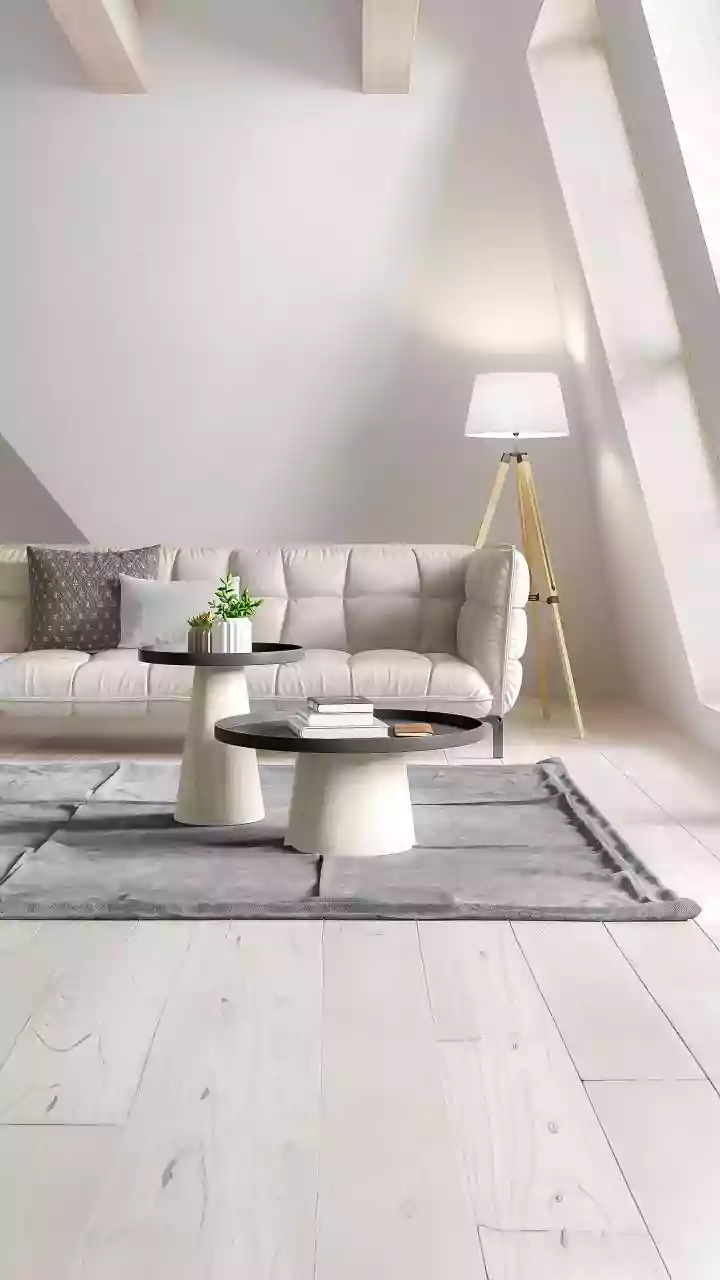
Putting this into practice is easier than ever, with innovative designs available for every room. In the living room, consider a sofa with built-in storage drawers or a chaise that lifts up. A nest of tables can be spread out when guests arrive and tucked away neatly otherwise. In the bedroom, an ottoman bed provides an enormous amount of hidden storage for linens and seasonal clothing. For dining, an extendable table allows you to host dinner parties without permanently sacrificing space. Even a simple bed frame can be a workhorse; some modern designs integrate shelving or even a small desk into the headboard, combining multiple functions into a single footprint.
How to Choose the Right Multifunctional Piece
When shopping for double-duty furniture, quality is paramount. A sofa bed that is uncomfortable or has a flimsy mechanism is a poor investment. Test the mechanisms in the store. Is it easy to convert? Does it feel sturdy? Also, consider the scale. Multifunctional does not mean massive. Choose pieces that are appropriately sized for your room but avoid the 'tiny' trap. Furniture with clean lines and raised legs can also help a room feel more spacious. Finally, ensure the style aligns with your overall decor. A versatile piece should blend in seamlessly, not stick out as a purely utilitarian object.