






The Foundation: India's Three Seasons
Indian agriculture is traditionally built around three distinct cropping seasons: Kharif, Rabi, and Zaid. This system isn't arbitrary; it's a strategic response to the country's diverse climate, dictated primarily by the arrival and departure of the monsoon.
While we often hear about Kharif and Rabi, understanding all three reveals how farmers can potentially cultivate their land year-round, ensuring a continuous supply of food. Each season has its own unique demands for water, temperature, and daylight, making the choice of crop and its timing a critical decision. This seasonal calendar is the fundamental logic that underpins the nation's food security.
Kharif: The Monsoon's Bounty
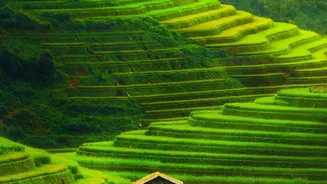
The Kharif season is also known as the monsoon crop season, and for good reason—it is almost entirely dependent on the southwest monsoon rains. Sowing typically begins in June or July with the first showers, and the harvest takes place between September and October. These crops, like rice, maize, cotton, soybean, and groundnut, require significant amounts of water and warm, humid weather to flourish. A farmer's success during Kharif is a high-stakes partnership with nature. Sowing too early risks the seeds failing without rain, while a delayed or weak monsoon can be devastating for the entire crop cycle. This season alone accounts for more than half of India's total food grain production.
Rabi: The Cool Winter Harvest
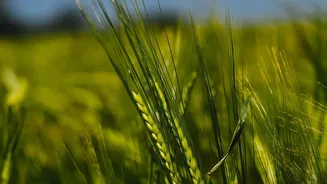
As the monsoon retreats, the Rabi or winter season begins. Sowing for Rabi crops happens around October and November, with the harvest taking place in the spring, from March to April. The word 'Rabi' itself has Arabic origins, meaning 'spring'. Unlike Kharif crops, Rabi crops such as wheat, barley, mustard, and gram prefer cooler temperatures for growth and do not rely on direct rainfall. Instead, they thrive on the residual moisture stored in the ground after the monsoon or depend on irrigation. The weather is more predictable during this period, but success depends on having access to water sources like canals or groundwater to sustain the crops through the dry winter months.
Zaid: The Swift Summer Season
Between the Rabi harvest and the next Kharif sowing lies a short, hot summer window. This is the Zaid season, running roughly from March to June. Often called a 'filler' or supplementary season, Zaid is characterized by short-duration crops that mature quickly. Think of summer favourites like watermelon, muskmelon, and cucumber, as well as some vegetables and fodder. Zaid crops are almost entirely dependent on irrigation due to the hot, dry weather. While smaller in scale than Kharif and Rabi, the Zaid season is crucial for providing farmers with additional income and ensuring a steady supply of fresh produce during the lean summer months.
Why Timing Beats Random Choice
This brings us back to the headline's core truth: understanding this calendar is far more important than just picking a good seed. A farmer can have the best quality wheat seeds, but if they are planted in the heat of the Kharif season, they will likely fail. Similarly, planting a water-loving rice crop during the dry Rabi season without assured irrigation would be a futile exercise. The success of a crop is determined by aligning its natural needs with the seasonal conditions. Choosing when to sow is not a matter of guesswork but a strategic decision based on temperature, water availability, and soil condition. This principle holds true for a massive farm or a small kitchen garden—timing is the essential ingredient that turns a seed into a successful harvest.