



Why Humidity is Your Decor's Worst Enemy
High humidity is more than just a bad hair day; for your home, it’s a constant threat. When the moisture content in the air consistently exceeds 50-60%, it gets absorbed by porous materials. For wooden furniture, this leads to swelling, warping, and weakened
joints that make drawers stick and doors misalign. Fabrics on sofas and curtains can trap moisture, becoming a breeding ground for mould and mildew, which not only damages the material but also releases musty odours and affects indoor air quality. Metal elements can rust and corrode, while the glue holding laminates and veneers together can fail, causing surfaces to peel and bubble. These issues aren't just cosmetic; they lead to costly repairs and replacements, turning beautiful investments into frustrating problems.
The Golden Rule: Prioritise Resilient Materials
Adopting a 'humidity-proof' mindset means prioritising materials that are naturally resistant to moisture or have been engineered to withstand it. This single shift in how you shop for decor can save you immense trouble down the line. It’s not about limiting your style, but about making smarter choices that ensure your home looks great for years, not just for a season. The goal is to select furniture and finishes that won’t swell, rot, rust, or grow mould when the monsoon arrives or the coastal air gets thick. It’s an investment in longevity and peace of mind.
Your Go-To List for Humidity-Proof Buys
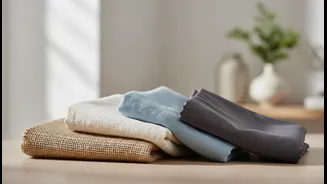
When shopping, keep an eye out for these champions of a damp climate. For wooden furniture, nothing beats the natural resilience of teak. Its high oil content makes it inherently resistant to moisture and pests, making it a timeless choice for Indian homes. For a more contemporary look, consider powder-coated aluminium or stainless steel, which do not rust and offer a sleek, modern aesthetic. When it comes to fabrics, opt for breathable options like cotton-polyester blends, linen blends, or performance fabrics, which resist moisture and prevent that sticky feeling in hot weather. For cabinetry, especially in kitchens and bathrooms, materials like marine-grade plywood, high-pressure laminates, or MCB (Metal-glue Compressed Board) are designed specifically to resist moisture and prevent warping.
What to Avoid or Use with Caution
Just as important is knowing what to skip. Untreated solid woods other than teak can be risky, as they are prone to significant swelling and cracking. Particleboard and standard MDF are particularly vulnerable; once they absorb moisture, they swell and can disintegrate, losing their structural integrity. If you must use them, ensure they are thoroughly sealed with high-quality, water-resistant laminates. While beautiful, fabrics like velvet and 100% natural linen can act like sponges in humid air, trapping moisture and developing mildew. Bonded or PU leather is also notorious for peeling within a few years in persistently damp environments.
Beyond Furniture: Walls, Art, and Storage
A truly humidity-proof home extends the rule to every surface. For walls, choose paints with anti-mould or anti-fungal properties. When hanging art, ensure it is properly framed with a sealed backing to protect it from moisture. It's best to hang valuable pieces on interior walls, away from bathrooms or areas with high steam. For flooring, materials like ceramic, porcelain, or vitrified tiles are excellent choices as they don’t harbour moisture. For storage, think ventilation. Choose closets and cabinets with slatted doors or ventilation panels, and always leave a small gap between large furniture pieces and walls to allow air to circulate freely.