



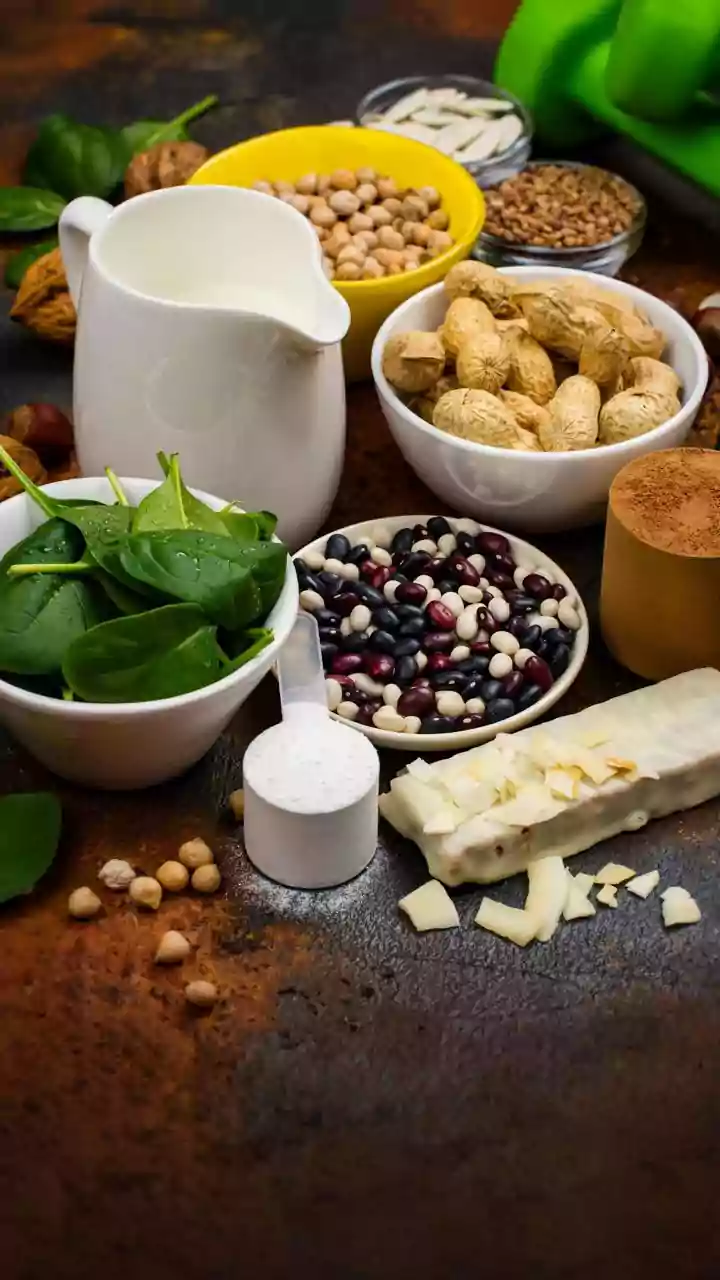
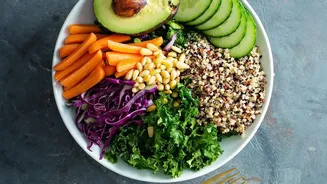
The Power of a Daily Salad
Committing to a daily salad is a fantastic way to boost your intake of essential nutrients and fibre. For digestive health, this is crucial. Fibre is the fuel your gut's good bacteria thrive on, and a diverse intake of vegetables supports a robust gut microbiome.
A healthy gut is linked to a stronger immune system and better overall well-being. A daily salad habit ensures you are consistently providing your body with the raw materials it needs for smooth digestion and nutrient absorption, helping to prevent issues like constipation.
The Hydrating Hero: Cucumber
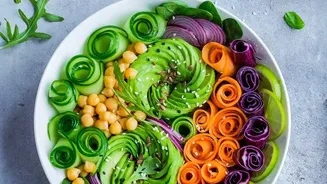
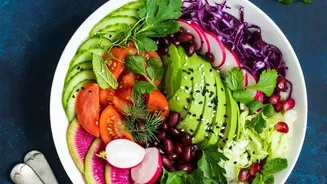
Cucumbers are a salad staple for a reason. Composed of about 95% water, they are incredibly hydrating. Proper hydration is a cornerstone of good digestion, as it helps the body break down food, absorb nutrients, and prevent constipation by improving stool consistency. Beyond their water content, cucumbers also contain fibre, particularly in their skin. This combination of water and fibre makes them excellent for maintaining regularity and keeping your digestive system running smoothly. Their refreshing and cooling nature also makes them an easy and pleasant addition to any meal.
The Earthy Elixir: Beetroot
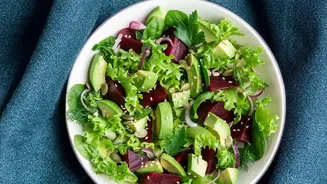
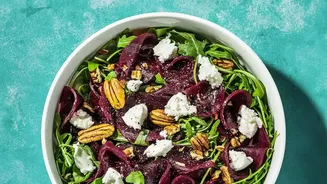
Beetroot is a nutritional powerhouse for digestion. It's packed with dietary fibre, which not only adds bulk to stool to prevent constipation but also acts as a prebiotic. Prebiotics feed the beneficial bacteria in your gut, such as Bifidobacteria and Lactobacilli, fostering a healthy gut microbiome. This root vegetable also contains a compound called betaine, which can help support healthy stomach acid levels, aiding the breakdown of foods. Furthermore, the natural nitrates in beetroot are converted to nitric oxide in the body, which may improve blood flow to digestive organs. The potent antioxidants in beets, known as betalains, also help reduce inflammation within the digestive tract.
The Sprouted Superstars
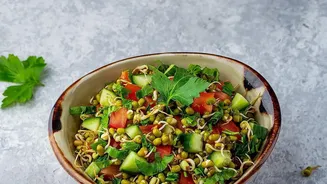
Sprouts are essentially baby plants, and they are one of the most effective foods for digestive health. The process of sprouting dramatically increases their fibre content. This insoluble fibre helps move waste through your digestive tract efficiently, reducing the likelihood of constipation. Sprouting also activates enzymes that 'pre-digest' starches and proteins within the seed. This makes sprouts easier for our bodies to digest and enhances nutrient absorption. Many people who find beans or grains cause bloating notice that the sprouted versions are much easier to tolerate. Common varieties like mung bean, broccoli, and lentil sprouts can easily be added to your bowl for a significant digestive boost.
Crafting Your Ultimate Digestive Salad
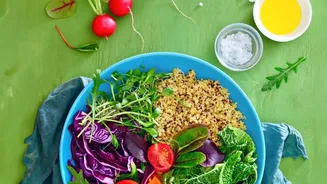
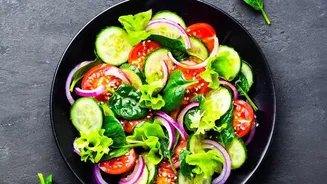
Combining these three ingredients creates a synergistic effect that elevates their individual benefits. The high water content from the cucumber complements the soluble and insoluble fibres from the beetroot and sprouts. Start with a base of leafy greens, then add generous amounts of chopped cucumber, grated raw beetroot, and a handful of your favourite sprouts. This combination provides hydration, diverse fibres, prebiotics, and essential enzymes. For a dressing, a simple mix of olive oil and lemon juice works well, as both can further support the digestive process. By making this vibrant, nutrient-dense salad a regular part of your routine, you are taking a simple yet profound step towards supporting your long-term digestive health.