


The End of an 'Either/Or' Kitchen
For years, the home cook's life was a story of two extremes. On one end, there was the weekday scramble, fueled by quick-fix meals, reliance on delivery apps, and the gnawing feeling of 'cooking fatigue'. On the other end were ambitious weekend projects—the
elaborate biryanis, the slow-cooked curries—that were rewarding but utterly unsustainable for a Tuesday night. This binary created a sense of obligation rather than creativity. The kitchen felt like a space of compromise: either you sacrificed time for flavour, or flavour for time. But the last few years have rewired our relationship with our kitchens. Increased time at home led many to rediscover cooking, boosting confidence and a desire for healthier, more intentional eating. This shift has paved the way for a new, hybrid approach that rejects the old compromises.
The Smart Evolution of 'Prep'
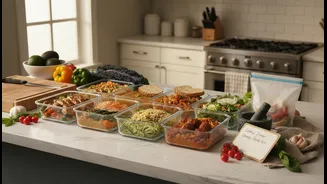
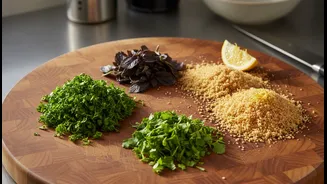
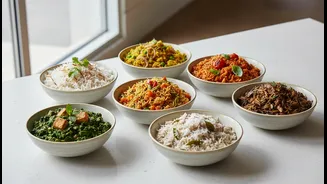
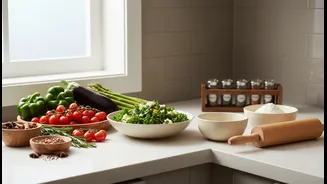
The word 'prep' no longer means sad, identical containers of boiled chicken and broccoli. In the context of the Indian kitchen, this concept has a long history, from our grandmothers sun-drying spices to mothers grinding masalas for the week. Today, this tradition is being adapted for modern life. The new prep is about creating building blocks, not finished meals. It’s about spending a bit of time on Sunday to streamline the week ahead. This could mean making a large batch of onion-tomato masala, boiling dals, chopping vegetables for the next few days, or preparing marinades and chutneys in advance. This approach, focused on prepping ingredients rather than entire dishes, provides flexibility and drastically cuts down on daily cooking time without sacrificing the freshness of the final meal.
Rediscovering the 'Craft' in Cooking
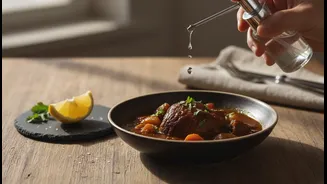
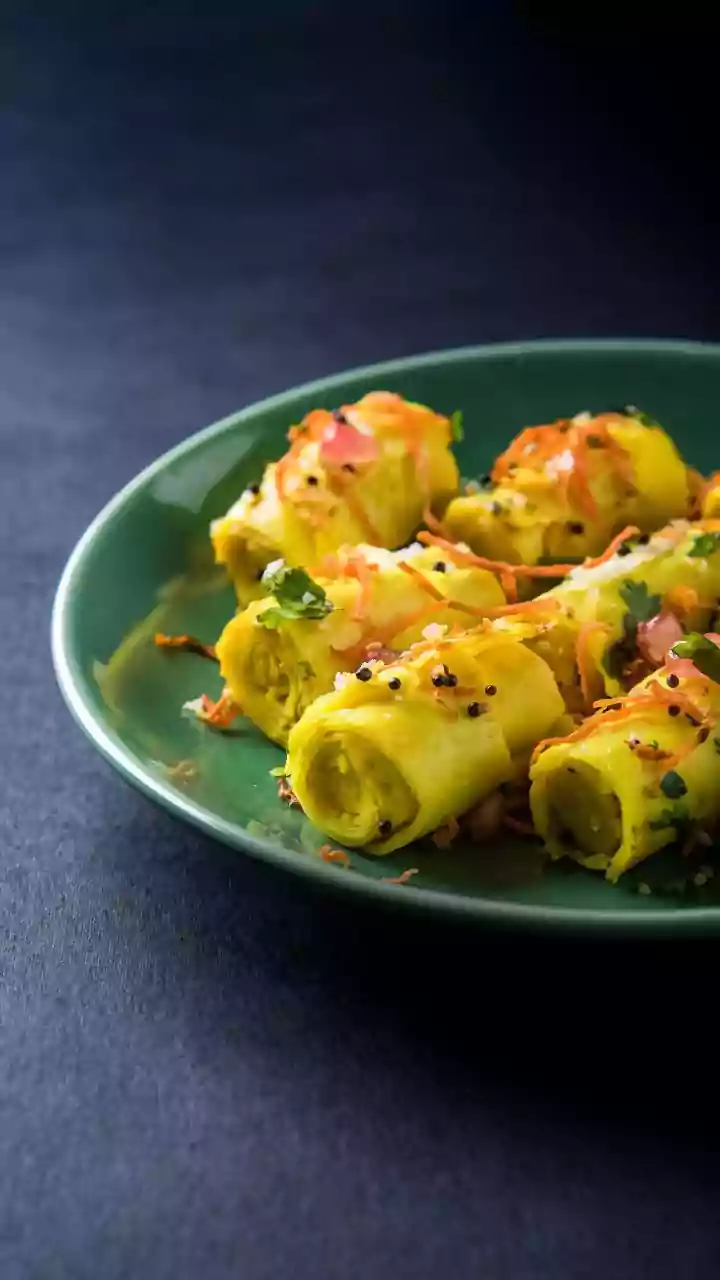
Here is where the magic happens. With the foundational work done, the weeknight cooking process transforms from a chore into a moment of craft. It's the artful, enjoyable final 20% of the process. Because the base gravy is ready, you have the time and mental energy to focus on the finishing touches. This is the 'craft': tempering spices until they sizzle and release their aroma, adding a swirl of fresh cream, or garnishing with a flourish of freshly chopped coriander. It's about turning pre-boiled potatoes into a flavourful aloo-jeera or using a ready marinade to quickly pan-fry paneer. This final stage becomes a small, daily ritual of creativity—a mindful practice that provides a welcome antidote to a fast-paced world.
A Weeknight Workflow in Action
Imagine this: on Sunday, you’ve prepared a versatile ginger-garlic-chilli paste, chopped onions, and pureed tomatoes. You’ve also boiled a couple of different dals. On Monday, you can quickly whip up a dal tadka. On Wednesday, that same base can be used to start a quick chana masala. The focus shifts from foundational labour to final assembly and flavouring. This method is heavily influenced by social media, where quick-fire videos on platforms like Instagram and TikTok showcase 'one-pan' or '15-minute' meals that often rely on pre-prepped components. These platforms have made cooking more visual and accessible, inspiring home cooks to try new techniques and flavour combinations that elevate simple ingredients.
More Than Just a Meal
This blended routine of 'prep' and 'craft' is about more than just efficient eating. It's a form of self-care and a strategy for managing modern life. The 'prep' phase reduces decision fatigue during a busy work week. Knowing that a home-cooked meal is easily achievable makes it easier to resist unhealthy takeout. The 'craft' phase provides a small, tangible accomplishment each day. It’s a moment to unplug and engage the senses, which studies show can be a powerful way to reduce stress and improve mental well-being. By reclaiming the kitchen not as a space of obligation but of conscious creativity, we are finding a sustainable way to nourish ourselves, combining the wisdom of our culinary traditions with the demands of contemporary life.