








What is a Continuous Glucose Monitor?
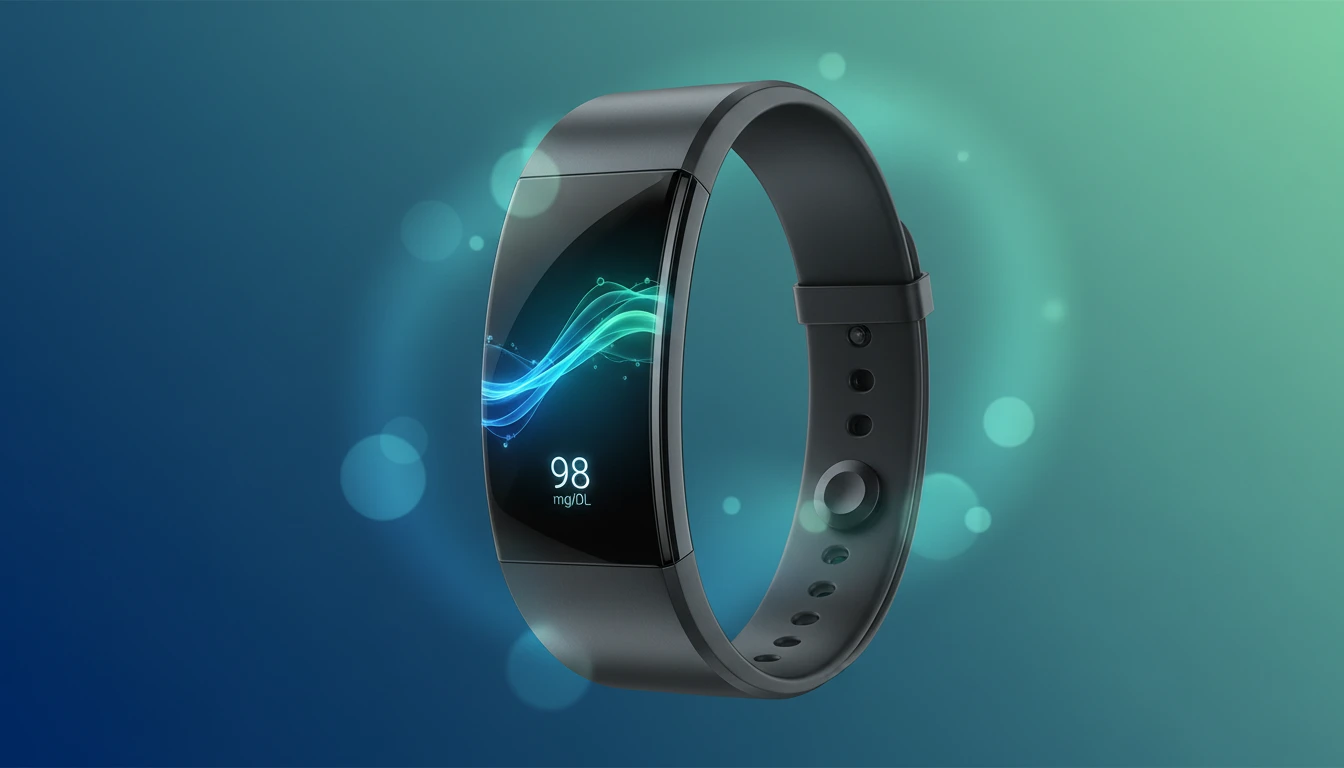
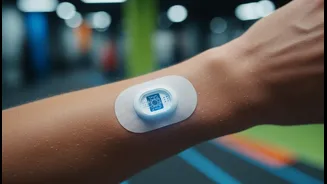
A continuous glucose monitor, or CGM, is a wearable device that tracks your glucose (sugar) levels in real time, day and night. It uses a tiny sensor inserted just under the skin, typically on the back of the arm, to measure glucose in the fluid between
your cells. This data is then sent to a smartphone app, providing a continuous stream of information, unlike traditional finger-prick tests which offer only a single snapshot. Originally developed to help people with diabetes manage their condition, this technology is now being used 'off-label' by those looking to gain a deeper understanding of their body's metabolism.
The Link Between Glucose and Performance
For athletes and fitness buffs, energy management is everything. Glucose is the body's primary fuel source for high-intensity exercise. Maintaining stable glucose levels is crucial for sustained energy and optimal performance. If your levels drop too low (hypoglycemia), you might experience fatigue, dizziness, or that dreaded feeling of 'bonking'. Conversely, a sharp spike followed by a crash can also leave you feeling drained during a workout. By monitoring these fluctuations, athletes aim to fine-tune their nutrition to ensure they have a steady supply of energy when they need it most, helping them train harder and recover faster.
Why Pinpoint Accuracy is Crucial
For a person managing diabetes, a CGM helps keep glucose within a broad safe range. For a non-diabetic athlete, the goals are much more granular. They are not just avoiding dangerous highs and lows; they are 'bio-hacking' for peak performance. A slight difference in glucose response can mean the difference between a good workout and a great one. Accurate data allows them to see precisely how their body reacts to a specific pre-workout meal or an energy gel taken mid-run. This enables them to make micro-adjustments to their fueling strategy. If a CGM's readings are inaccurate, it could lead an athlete to eat unnecessary carbs, causing a performance-hindering spike, or to under-fuel, leading to premature fatigue. The entire purpose of using the device for performance is lost without reliable, precise data.
Personalising the Ultimate Diet Plan
Generic nutrition advice can only take you so far. A CGM offers a window into your unique metabolic response. You can see in real-time how your body handles a bowl of oatmeal versus a banana, or white rice versus quinoa. This immediate feedback allows for an unparalleled level of dietary personalization. An athlete can experiment with different foods and meal timings to discover what provides them with the most stable, sustained energy. This data helps them build a nutritional plan tailored specifically to their body and their training demands, moving beyond one-size-fits-all recommendations to something truly bespoke.
Words of Caution from Experts
Despite the growing trend, many experts urge caution. Research on the benefits of CGMs for people without diabetes is still limited. Some studies suggest that commercial CGMs can be inaccurate in healthy individuals, sometimes overestimating glucose levels. There is concern that focusing too heavily on glucose data can cause unnecessary stress or lead to restrictive eating habits. Experts point out that some glucose fluctuations, like a spike after intense exercise, are normal physiological responses and not a sign of a poor diet. Without proper context from a healthcare professional, the data can be easily misinterpreted.