
Embracing the Monsoon Magic
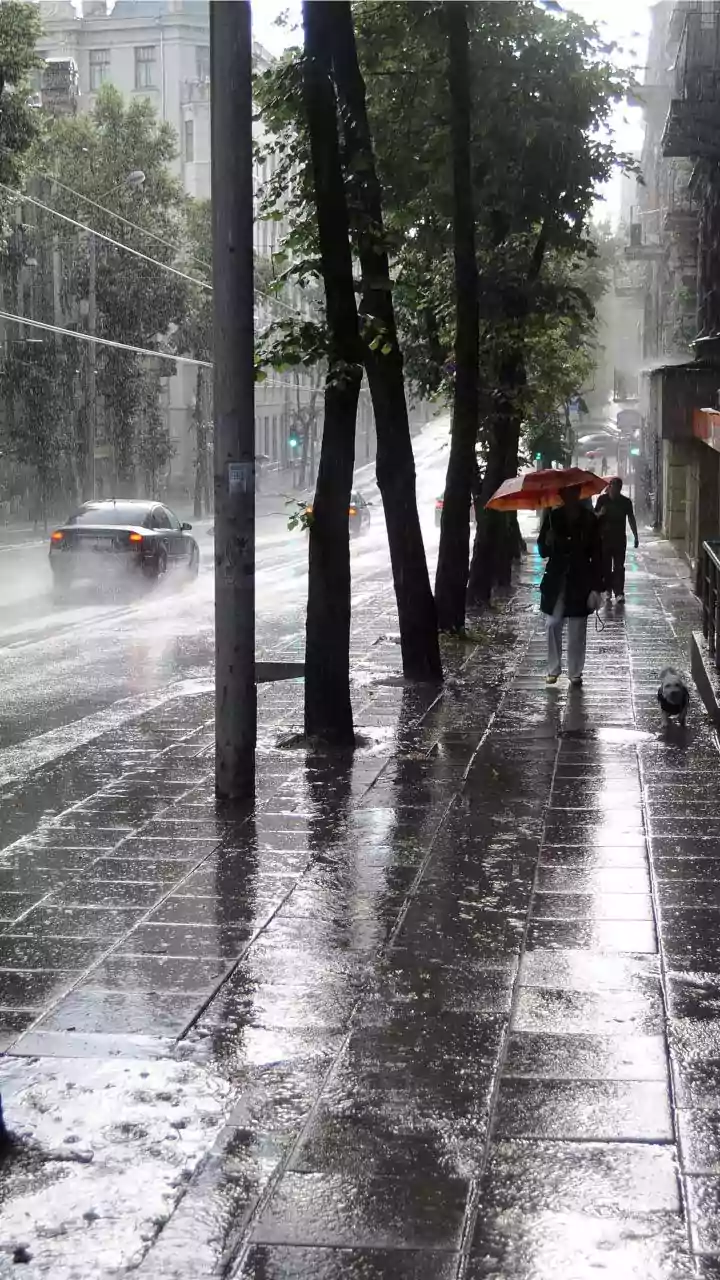
The conventional wisdom for mountain travel is to avoid the rainy season, citing risks of landslides and road closures. While caution is essential, a well-planned monsoon trip to the right places can be incredibly rewarding. This season transforms the landscape
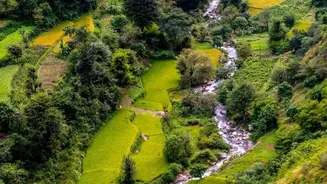
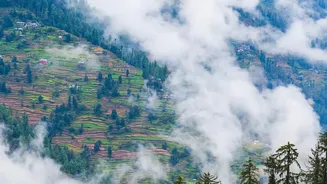
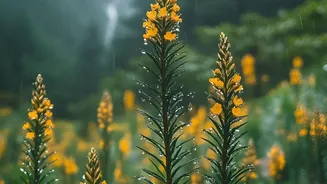
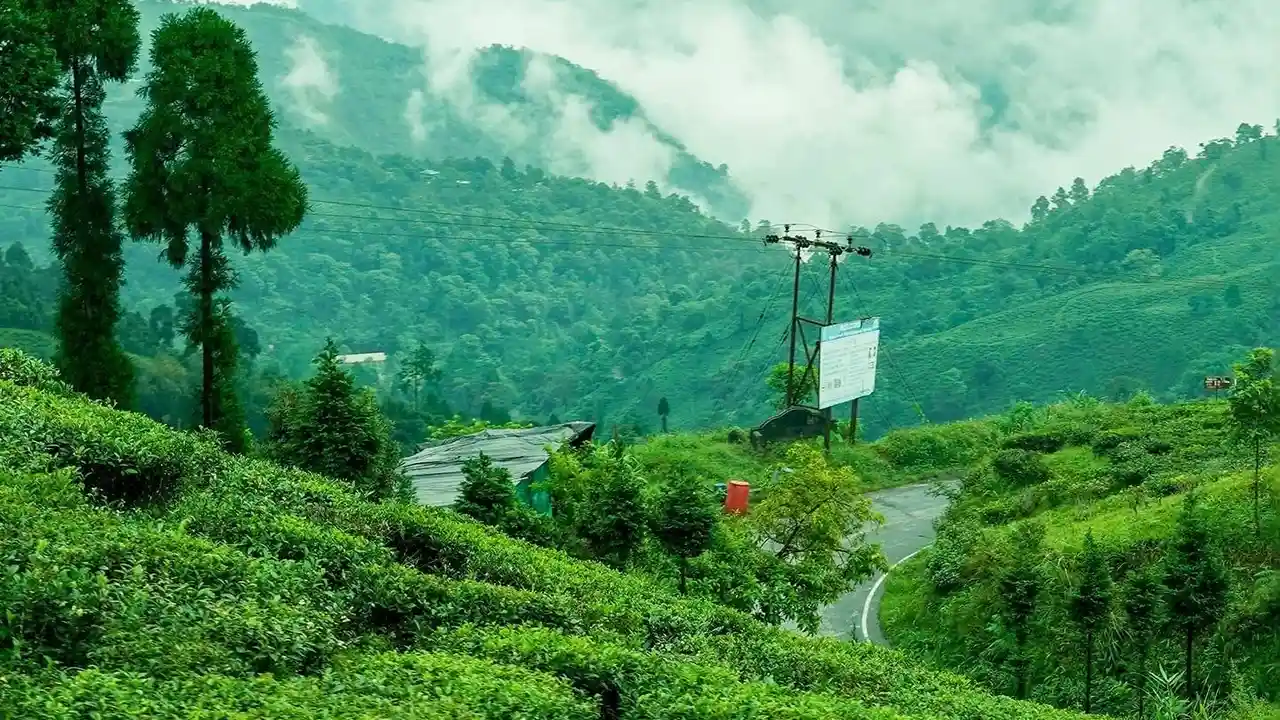
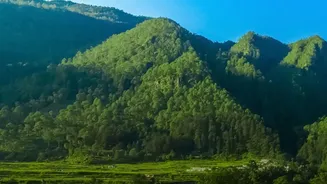
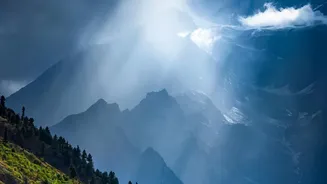
into a vibrant, emerald paradise, with waterfalls in full flow and clouds clinging to the hillsides. It’s a time of fewer tourists, which means the quiet, offbeat destinations of Tirthan and Shoja become even more serene, offering a chance to connect with nature in its purest form without the usual hustle. A slower, more flexible travel plan is key to enjoying the lush beauty and peaceful atmosphere.
Tirthan Valley: The River’s Serene Embrace
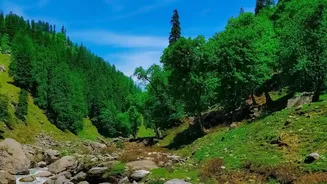
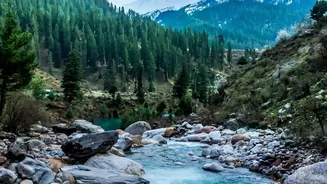
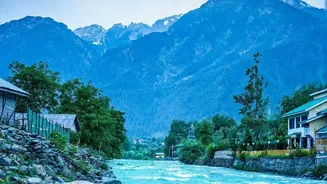
Nestled beside the Great Himalayan National Park (GHNP), a UNESCO World Heritage Site, Tirthan Valley is a haven for nature lovers. Named after the pristine Tirthan River that flows through it, the valley is famous for its trout fishing, quaint villages, and eco-friendly homestays. During monsoon, the river swells and the surrounding forests become intensely green and misty. While heavy trekking into the core zone of the GHNP is often avoided, the buffer zones offer plenty of opportunities for gentle walks. You can explore villages like Gushaini, visit the popular Chhoie Waterfall, or simply relax by the river, listening to its soothing roar. The air smells of wet earth and pine, creating a deeply tranquil atmosphere.
Shoja: A Hamlet Wrapped in Mist
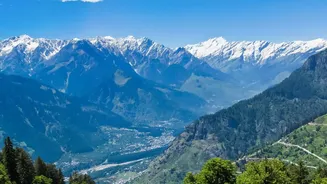
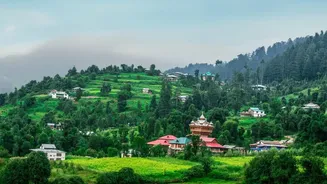
A short drive up from the Tirthan Valley lies Shoja, a small village that offers a different perspective. At a higher altitude, Shoja is often enveloped in mist during the monsoon, creating a mystical, almost surreal environment. The views from here are panoramic, and on clearer days, you can see sweeping vistas of the valley below and the surrounding Himalayan ranges. Shoja is quieter than Tirthan, making it the perfect retreat for those who seek true solitude. The main attractions are the natural beauty itself and the slow pace of life. You can take short walks through dense deodar and oak forests, discover hidden waterfalls, or find a spot to watch the clouds drift by.
Monsoon Adventures: Jalori Pass and Serolsar Lake
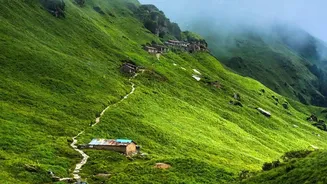
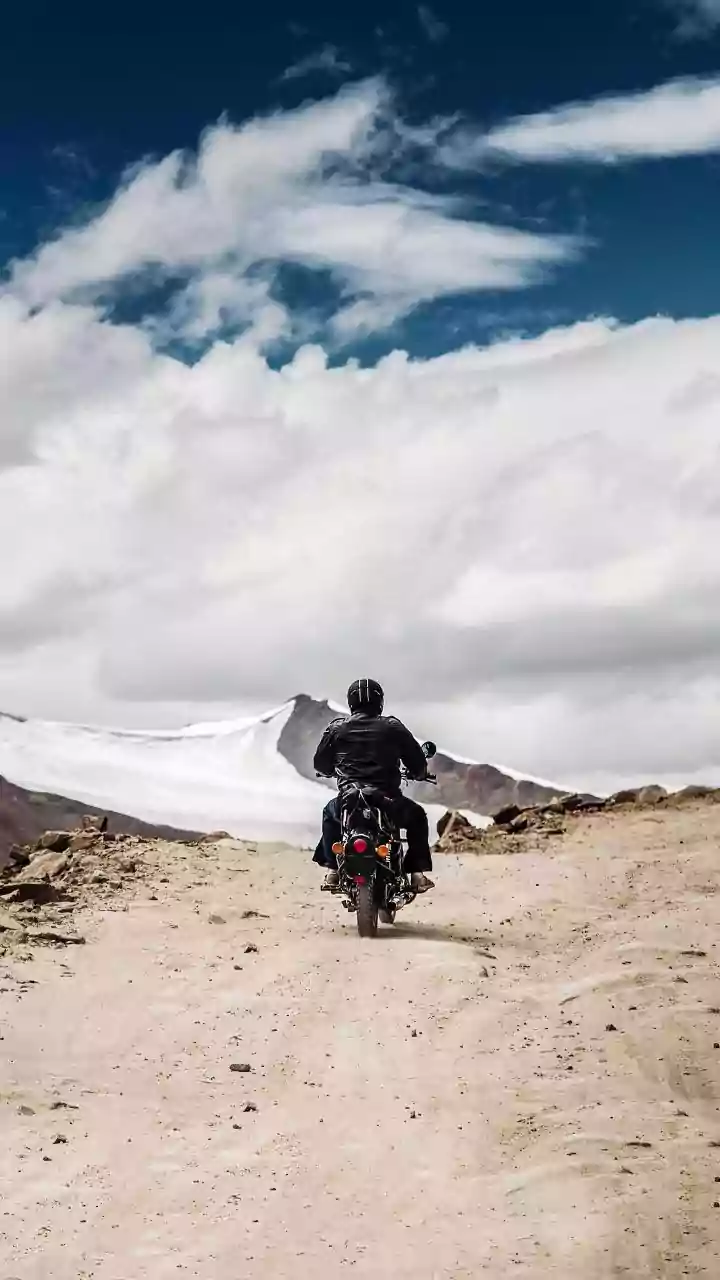
Shoja serves as the base for the journey to Jalori Pass, situated at an altitude of over 10,200 feet. While the pass is motorable, driving during the monsoon requires extreme caution and an experienced driver, as the road can be slippery and prone to landslides. It's crucial to check local conditions before attempting the drive. From the pass, a relatively easy 5-6 km trek through a dense oak forest leads to the sacred Serolsar Lake. The trek is exceptionally beautiful during the rains, with the path carpeted in green and the lake itself appearing serene and mystical, often surrounded by a light fog.
A Word on Safety and Planning
Travelling to Himachal in the monsoon requires a flexible mindset and careful planning. Always check the latest weather forecasts and road conditions before and during your trip. It's advisable to avoid driving at night and to stay away from swollen rivers. Opting for accommodations on higher ground rather than right on the riverbank can be a safer choice during this season. Hiring a local taxi with an experienced driver who understands the terrain is highly recommended. The reward for this cautious approach is experiencing the Himalayas in their most lush, vibrant, and crowd-free state.
Where to Stay: The Homestay Experience
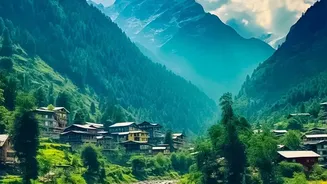
The charm of Tirthan and Shoja is amplified by the accommodation options available. Instead of large hotels, the area is known for its warm and welcoming homestays and guesthouses. Staying in a traditional wooden home allows you to experience local Himachali culture and cuisine firsthand. Hosts are often excellent sources of local knowledge, providing tips on safe trails and things to do even on a rainy day. A cosy room with a view of the misty mountains, combined with a hot, home-cooked meal, is the perfect way to enjoy a monsoon retreat.