




The Post-Meal Glucose Spike
Whenever you eat, your body gets to work breaking down carbohydrates into glucose, which enters your bloodstream to be used as energy. This causes your blood sugar levels to rise naturally. In a healthy response, the pancreas releases insulin, which helps
your cells absorb this glucose, causing blood sugar levels to return to normal. However, problems can arise when these levels spike too high or too often. This is particularly common after large meals or those high in refined carbs and sugars. When you remain seated and inactive after eating, your muscles don't need much energy, leaving more glucose circulating in the blood. Over time, chronic blood sugar spikes can contribute to insulin resistance, a precursor to type 2 diabetes, and other cardiometabolic health issues.
How a Simple Walk Breaks the Cycle
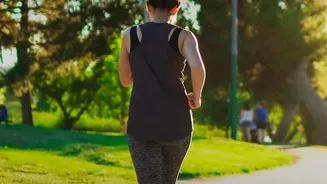
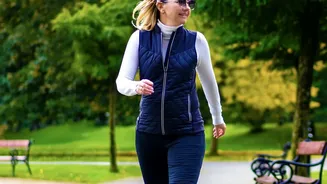
This is where light physical activity comes in. When you walk, even for a few minutes, your muscles require energy. To get it, they start pulling glucose directly from your bloodstream, a process that doesn't rely as heavily on insulin. This simple action helps blunt the sharp rise in blood sugar that would otherwise occur. Think of your muscles as sponges for glucose; walking after a meal effectively 'wrings them out', making them ready to absorb the incoming sugar from your food. Research has consistently shown that interrupting prolonged sitting with activity breaks significantly lowers both post-meal glucose and insulin responses.
Timing and Duration Are Key
You don’t need to run a marathon after dinner to see results. The research is surprisingly encouraging about just how little movement is needed. Studies have found that walking for as little as two to five minutes can make a meaningful difference in moderating blood sugar levels. The most effective window for this activity is within 60 to 90 minutes after you finish your meal, as this is when blood glucose levels tend to peak. Some research even suggests that a short, 10-minute walk taken immediately after a meal can be more effective at lowering the glucose peak than a longer, 30-minute walk started later on. The key is consistency and timing—making the walk a non-negotiable part of your post-meal routine.
Walking vs. Standing
If a walk isn't possible, is standing up any better than sitting? The answer is yes, but walking is significantly more effective. Research that compared uninterrupted sitting with both standing breaks and walking breaks found that while standing did offer a modest benefit, light-intensity walking was far superior for lowering blood sugar and insulin levels. The act of muscle contraction during walking is what creates the higher demand for glucose, leading to a more pronounced positive effect. So, while choosing to stand at your desk after lunch is a good step, taking a quick lap around the office or your home is even better.
More Than Just Blood Sugar
The benefits of a post-meal stroll extend beyond glucose control. Light movement aids digestion by stimulating the stomach and intestines, which can help reduce feelings of bloating and gas. It also contributes to your overall daily activity goals, which is crucial for long-term weight management and cardiovascular health. Furthermore, breaking up long periods of sitting can improve your mood and prevent the lethargy that often follows a heavy meal. Turning this simple action into a habit transforms a sedentary moment into an active opportunity for better health.
Making Post-Meal Walks a Habit
Incorporating this practice into your daily life doesn't have to be complicated. If you're at the office, suggest a 'walking meeting' or simply take a few laps around your floor after lunch. At home, you can walk around the block, walk the dog, or even just march in place while watching TV. The goal is to break the habit of moving directly from the dinner table to the couch. By linking the new habit (walking) to an existing one (finishing a meal), you increase the chances of it sticking for the long term. Start small with a five-minute commitment and see how you feel. The simplicity of the task is its greatest strength.