


The Mysterious Monsoon Gem
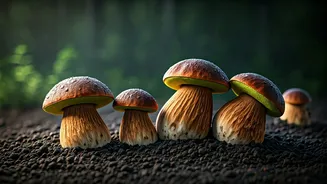
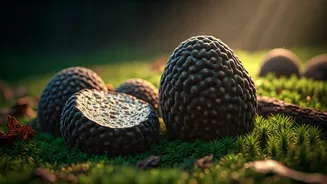
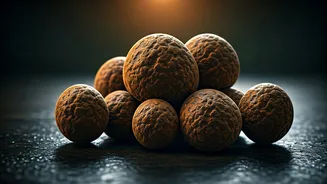
At first glance, Rugda might be mistaken for a cluster of tiny, mud-caked potatoes or smooth pebbles. But this humble-looking orb is one of Jharkhand’s most prized culinary treasures. Botanically, Rugda is not a vegetable but a type of edible mushroom
from the Lycoperdon family, a kind of puffball mushroom. It grows entirely underground, drawing nutrients from the soil and the roots of Sal trees, and only emerges after the first few heavy showers of the monsoon. Known locally by various names, including 'putu' or 'putka', this subterranean fungus has a mystique that is intrinsically tied to the rhythm of the rains. Unlike cultivated mushrooms available year-round, Rugda cannot be farmed, making its seasonal appearance a celebrated event.
A Forager's Bounty
The story of Rugda is also a story of the tribal communities who know the forest's secrets. Harvesting Rugda is a skillful and laborious task, undertaken primarily by tribal women who venture into the dense Sal forests after a downpour. They have a deep, ancestral knowledge of where to look, scanning the forest floor for the subtle cracks and bumps in the soil that indicate a cluster of mushrooms growing beneath. Armed with small spades or simply their hands, they carefully dig out the delicate spheres. This foraging process is sustainable and intimate, a direct connection between the community and the land that provides for them. The short, intense harvesting season, typically lasting from late June to August, adds to its rarity and value in local markets.
The Taste of the Earth
So, what does this much-awaited delicacy taste like? Rugda’s appeal lies in its unique texture and subtle, earthy flavour. When cooked, it has a surprisingly dense and chewy bite, a quality that has earned it the moniker 'vegetarian mutton'. Unlike other mushrooms that can be soft or slimy, Rugda holds its shape and provides a satisfying, meaty texture. On its own, the flavour is mild and earthy, but its true genius is its ability to act as a sponge, soaking up the flavours of the spices and gravy it is cooked in. This makes it a versatile ingredient, perfect for the rich, aromatic curries that are a staple of the region’s cuisine.
From Forest to Plate
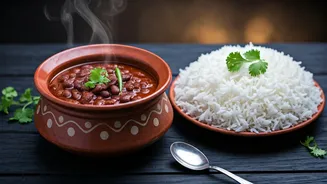
Once foraged, Rugda makes its way to the bustling local markets, where it is sold by the kilogram. Its arrival is a clear signal that the monsoon has truly set in. Due to its scarcity and the effort involved in its collection, Rugda commands a high price, often rivaling that of meat. For many families, it is a delicacy reserved for special meals. The most popular way to prepare it is in a spicy curry, 'Rugda Jhol'. The preparation begins with cleaning the mud-caked mushrooms thoroughly. They are then cooked in a base of onions, tomatoes, ginger, and garlic, and spiced with a fragrant blend of turmeric, cumin, coriander, and garam masala. The resulting dish is a thick, flavourful gravy with chewy morsels of Rugda, typically enjoyed with hot rice or fresh rotis.
A Cultural and Culinary Symbol
Rugda is more than just food; it is a cultural phenomenon. It represents the deep, symbiotic relationship between the people of Jharkhand and their natural environment. It is a celebration of seasonality, a reminder that the best things in life are often fleeting and must be savoured. For the local communities, it is also a vital source of supplementary income during the monsoon months. Its rising popularity among food enthusiasts and chefs outside the state is bringing attention to the richness of India's regional and tribal cuisines, proving that gourmet experiences aren't confined to fancy restaurants but can be found in the rain-soaked forests of eastern India.