

There are few things more frustrating for a photographer than seeing the battery icon flash red mid-shoot. This is especially true during a time-lapse, where every second counts. A simple, affordable power bank is the key to unlocking hours of uninterrupted
shooting.
Why Time-Lapses Are So Power Hungry
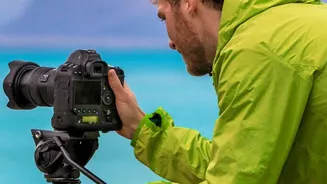
Time-lapse photography is a uniquely demanding process for a camera's battery. Unlike single shots, a time-lapse keeps the camera working continuously for long periods. The sensor is active, the mechanical shutter (in DSLRs) may be firing repeatedly, and the electronic screen is often left on for monitoring. This constant activity generates heat and consumes a tremendous amount of energy, draining a standard camera battery far quicker than regular shooting would. A single battery that lasts for hundreds of still photos might only survive an hour or two when shooting a time-lapse sequence, making external power a near necessity for capturing long events like a sunset, construction project, or star trail.
How to Power Your Camera Externally
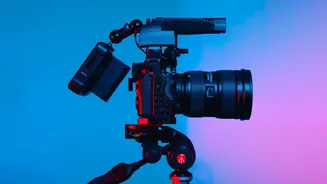
There are two primary methods for connecting a power bank to your camera. The most straightforward is for modern mirrorless or action cameras that support direct charging and operation via a USB-C port. If your camera has this feature, you can simply plug a compatible power bank directly into it. However, many DSLRs and older mirrorless cameras do not support this. For these models, you will need a 'dummy battery', also known as a DC coupler. This accessory is shaped exactly like your camera's battery but has a cable extending from it that connects to the power bank, feeding continuous power into the battery compartment. It's crucial to buy the correct dummy battery for your specific camera model to ensure a proper fit and safe voltage transfer.
Choosing the Right Power Bank
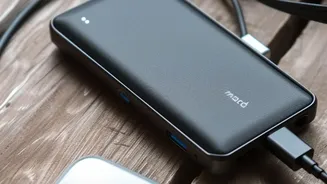
Not all power banks are created equal for photography. The most important feature is capacity, measured in milliamp-hours (mAh). For time-lapse work, a capacity of at least 20,000mAh is a good starting point, providing enough energy for several hours of shooting. The next critical factor is the power output. Look for a power bank with a USB-C port that supports Power Delivery (PD). USB-PD allows the power bank to communicate with your camera to deliver a higher voltage (like 9V instead of the standard 5V), which is often necessary to power a camera while it's in use. An output of at least 18W to 30W is recommended. Finally, consider durability. A rugged, weather-resistant power bank can be a lifesaver for outdoor and landscape photographers.
Best Practices for Field Use
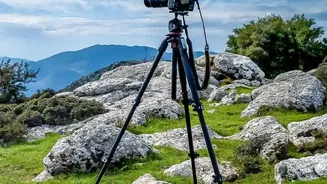
Once you have your gear, setting it up correctly is key to a successful shoot. Secure the power bank to your tripod leg using a clamp, a dedicated holder, or even strong elastic bands. This prevents the cable from being accidentally snagged or disconnected, which would ruin your time-lapse. Use high-quality, certified cables that are rated for the power output of your bank to ensure a stable and efficient energy transfer. If you're shooting in cold weather, keep the power bank in an inside pocket of your jacket to protect it from the cold, as low temperatures can significantly reduce a battery's performance. Also, check that your camera's settings are optimized for long shoots—for example, by dimming the screen brightness and turning off image stabilization if the camera is securely on a tripod.
More Than Just a Time-Lapse Tool
While a high-capacity power bank is invaluable for time-lapses, its utility extends far beyond that single purpose. It becomes a central hub for all your electronics in the field. You can use it to top up your smartphone, which you might be using to control the camera or for behind-the-scenes shots. It can recharge drone batteries, power portable LED lights for video work, or keep your GPS unit running on a long hike to a remote location. Investing in a quality power bank streamlines your kit, ensuring that all your essential creative tools remain powered throughout the day. It's a small piece of gear that provides immense peace of mind, allowing you to focus on your creativity rather than your battery levels.