




The Monsoon Paradox for Plants
For any plant parent in India, the arrival of the monsoon is a mixed blessing. After months of scorching heat, the cool rains feel like a miracle. Your plants, once thirsty and drooping, suddenly perk up. But the relief can be short-lived. The same life-giving
water, when it comes in the relentless, days-long downpours typical of our monsoon, can become a silent killer. The problem isn't the water itself, but where it goes—or rather, where it doesn't. When water has no escape, it saturates the soil, creating a dangerous environment that can quickly lead to the demise of even the hardiest plants.
Understanding the Enemy: Root Rot
Think of plant roots needing to breathe. They absorb not just water and nutrients, but also oxygen from air pockets in the soil. When soil becomes waterlogged, these air pockets fill with water, effectively suffocating the roots. This lack of oxygen causes the roots to start decaying, a condition known as root rot. The initial signs can be misleading—a plant with root rot often looks like it's thirsty, with yellowing, wilting leaves. This might tempt you to water it more, which only worsens the problem. This is why good drainage isn't just a helpful tip; it's a non-negotiable insurance policy against this common monsoon ailment. You're not just potting a plant; you're creating a system that can survive the worst of the weather.
Your First Line of Defence: The Pot
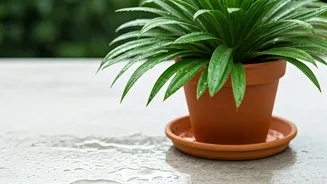
Before you even think about soil, look at your containers. Every single pot must have at least one drainage hole at the bottom. It sounds basic, but many decorative ceramic or metal planters are sold without them. If you’ve fallen in love with a pot that has no holes, you have two options: either drill some yourself (a simple drill bit can go through most materials) or use it as a 'cachepot'. This means you keep your plant in a functional plastic pot with drainage holes and simply place it inside the decorative one. After watering or a heavy rain, you can lift the inner pot out and discard any excess water that has collected at the bottom. Check your existing pots now—if any are blocked with hardened soil, use a stick or screwdriver to clear the path.
Building the Right Foundation: Soil Mix
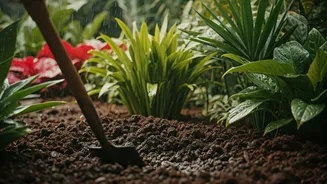
Standard garden soil or 'mitti' is often heavy and clay-based, which is terrible for drainage. During the monsoon, it turns into a dense, muddy sludge. The ideal potting mix for the rainy season is light, airy, and gritty. You can buy pre-made potting mixes labelled for succulents or indoor plants, as these are designed for good drainage. Or, you can create your own superior mix. A classic recipe is one part garden soil, one part compost or cocopeat (for moisture retention and nutrients), and one part perlite or coarse sand (for drainage). The perlite and sand create tiny air channels that allow excess water to flow through quickly, preventing the soil from becoming a water-logged bog. Repotting your plants into a better soil mix before the monsoon begins is the single best investment you can make.
Simple Hacks for a Drier Pot
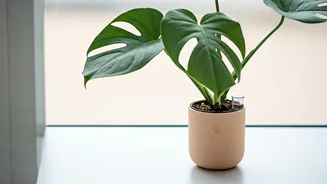
Even with the right pot and soil, a relentless downpour can be overwhelming. Here are a few physical adjustments you can make. First, elevate your pots. Place them on 'pot feet', bricks, or a simple plant stand. Lifting the pot even an inch off the ground ensures the drainage hole isn't blocked and allows air to circulate underneath, helping the soil dry out faster. Second, if possible, move sensitive plants to a covered balcony, patio, or near a window where they get light but are shielded from the heaviest rain. For large, immovable pots, you can even try tilting them at a slight angle after a storm to help excess water run out. These small actions reduce the time your plant’s roots spend sitting in water, significantly lowering the risk of rot.
Emergency Room for Waterlogged Plants
What if you suspect a plant is already in trouble? Act fast. Gently remove the plant from its pot and inspect the roots. Healthy roots are typically firm and white or light-coloured. Rotted roots will be dark brown or black, mushy to the touch, and may have a foul smell. If you find rot, you must perform surgery. Using clean, sharp scissors, trim away all the mushy, dead roots. Be ruthless—leaving any rot behind will allow it to spread. Then, repot the plant in fresh, dry, well-draining soil in a clean pot. Do not water it immediately; wait a day or two to let the cut roots heal. It’s a drastic measure, but it’s often the only way to save a plant that’s already drowning.