


Ghent, Belgium: A Living Fairytale
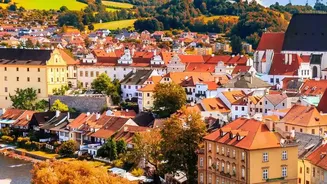
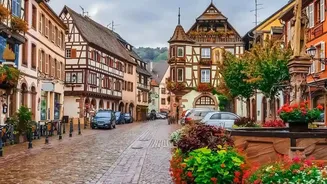
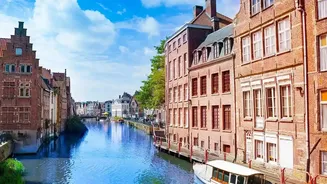
Often overshadowed by nearby Bruges, Ghent offers a more authentic, lived-in feel while sacrificing none of the medieval magic. The city's historic heart is a stunning tableau of Gothic architecture, best viewed from St. Michael's Bridge, where you can
see its three famous towers in a single, perfect line. A must-see is the Gravensteen, or Castle of the Counts, a formidable 12th-century fortress complete with a moat, right in the city centre. For art lovers, St. Bavo's Cathedral houses the world-renowned Ghent Altarpiece, a masterpiece by the Van Eyck brothers. But the real joy of Ghent is found in simply wandering. Explore the old quays of Graslei and Korenlei, where historic guildhalls line the Lys River, or take a boat tour for a different perspective. The city has a vibrant student population that fuels a lively restaurant and bar scene, ensuring the energy continues long after day-trippers have left. Two days is a perfect amount of time to soak it all in.
Ljubljana, Slovenia: The Charming Green Capital
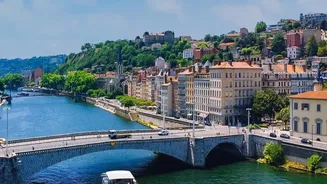
Slovenia's capital is a city that feels both grand and intimate. Ljubljana (pronounced 'lyoo-blyah-nah') is remarkably green, with a car-free city centre focused around the winding Ljubljanica River. The riverbanks are lined with cafés and restaurants, perfect for a leisurely afternoon. The cityscape is dominated by Ljubljana Castle, perched on a hill offering panoramic views. You can reach it via a short funicular ride or a pleasant walk. The architecture is a highlight, with much of the city's unique look crafted by the visionary architect Jože Plečnik, who designed the iconic Triple Bridge. Don't miss the bustling Central Market, where you can sample local produce and crafts. The city is also rich in museums, including the National Museum of Slovenia and the City Museum of Ljubljana, which houses the world's oldest wooden wheel. Ljubljana's compact size makes it easily walkable, and it serves as a fantastic base for exploring Slovenia's famous natural wonders, like Lake Bled.
Bologna, Italy: The Capital of Food
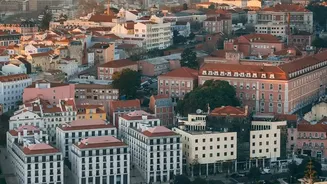
While food is its main claim to fame, Bologna is a cultural feast in every sense. Known lovingly as 'La Grassa' (The Fat One), it's the place to experience some of Italy's most iconic dishes like tagliatelle al ragù and tortellini in their birthplace. A food tour through the ancient Quadrilatero market district is an essential experience. But beyond the cuisine, Bologna is also 'La Dotta' (The Learned One), home to the oldest university in the Western world, which gives the city a vibrant, youthful energy. Its third nickname, 'La Rossa' (The Red One), refers to its beautiful terracotta-hued buildings. The city is famous for its nearly 40 kilometers of stunning porticoes, or covered walkways, which are now a UNESCO World Heritage site and make exploring a pleasure in any weather. Climb the Asinelli Tower for a breathtaking view of the red-roofed cityscape, explore the grand Piazza Maggiore, and dive into the dozens of trattorias that have been perfecting recipes for generations.
Leipzig, Germany: The New Berlin?
For years, Leipzig has been tipped as the 'new Berlin', but this historic city in Saxony has a unique cultural identity all its own. It's a city of music, most famously associated with Johann Sebastian Bach, who served as cantor at the St. Thomas Church. The Gewandhaus Orchestra is world-renowned, continuing a classical tradition that also includes composers like Mendelssohn and Wagner. But Leipzig is not stuck in the past. Today, it pulses with creative energy, evident in the trendy Plagwitz district, where old cotton mills have been transformed into galleries, studios, and lofts. This industrial-chic vibe, combined with its many parks and waterways, gives Leipzig a relaxed, bohemian atmosphere. The city centre, beautifully restored after German reunification, is a mix of historic trading houses and modern passages. For a dose of history, visit the Monument to the Battle of the Nations, a colossal structure commemorating the defeat of Napoleon.