






The Great Reversal: Understanding Monsoon Withdrawal
The southwest monsoon, which brings around 80% of India's annual rainfall, is not a permanent fixture. It is driven by a low-pressure area that forms over the heated landmass during summer. By September, the sun's apparent southward shift causes the northern
landmass to cool down, weakening this low-pressure system. A high-pressure system gradually begins to take its place. This change triggers a reversal of winds, initiating the monsoon's slow, staggered retreat. The process officially begins in the extreme northwestern parts of India around the first of September and progresses southeastward over several weeks. According to the India Meteorological Department (IMD), withdrawal is declared based on factors like a five-day cessation of rain, a change in wind patterns, and a significant drop in atmospheric moisture.
An Unpredictable Transition, Not a Clean End
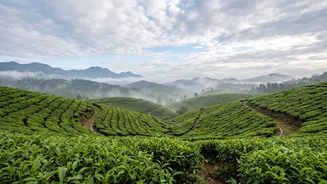
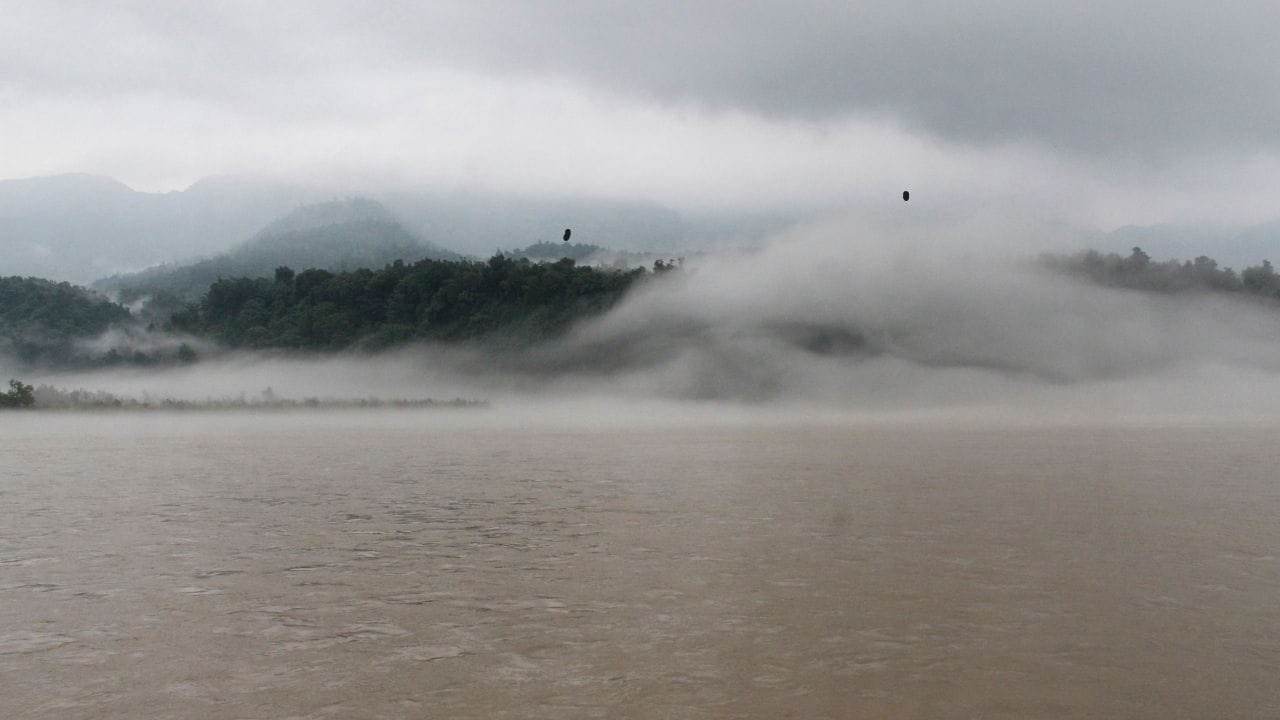
September weather is notoriously difficult to pin down. It is not a sudden stop to rain but a gradual and often erratic transition. The month is characterised by a mix of sunny days and brief, intense showers as the monsoon system sputters out. While rainfall activity decreases over northwest India, some regions can experience continued, and sometimes heavy, rainfall. These are often called 'retreating monsoon' showers. Furthermore, weather systems developing in the Bay of Bengal can move inland, bringing significant rainfall to central, eastern, and northeastern parts of the country, even as the broader withdrawal process is underway.
The 'October Heat' Begins in September
Ironically, the retreat of the monsoon often leads to a rise in temperatures. As the cloud cover that moderated daytime temperatures disappears, clear skies allow for more intense sunshine, causing mercury levels to climb. This is compounded by high humidity from the residual moisture left in the ground and atmosphere by the preceding months of rain. This combination of heat and high humidity creates an oppressive and uncomfortable climate often called 'October Heat', a phenomenon that typically begins in September. This period can feel more suffocating than the dry heat of May and June because the high humidity inhibits the body's ability to cool itself through perspiration.
A Tale of Different Weather Patterns
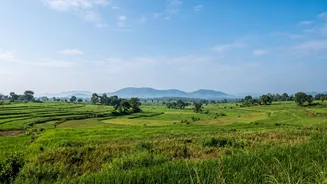
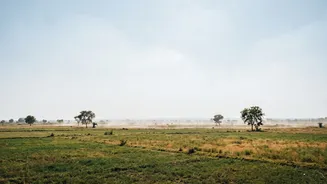
The experience of September weather varies dramatically across India's vast geography. In Rajasthan and the northern plains, September brings significantly less rain, clearer skies, and pleasantly warm days, making it an excellent time for travel. However, in the south and west, such as in Kerala, Goa, and Mumbai, the monsoon's retreat is slower, and the month can still be quite wet. Meanwhile, the east coast, particularly Tamil Nadu and Andhra Pradesh, enters a different cycle. As the southwest monsoon retreats, conditions become favorable for the northeast monsoon (or retreating monsoon), which brings them their primary rainfall season from October to December.
Impact Beyond the Weather App
The timing and nature of the monsoon's retreat have profound implications for the country. For farmers, adequate soil moisture in September is crucial for the standing Kharif crops and for the sowing of winter (Rabi) crops like wheat and mustard. A delayed or erratic withdrawal can disrupt this critical agricultural calendar. For instance, IMD forecasts for September 2026 suggest below-normal rainfall, which could affect crop yields after a rain deficit in the preceding months. The shift in weather also signals the start of the festive season in many parts of India, with planning often contingent on the whims of the departing monsoon.