



Prioritise Monsoon-Friendly Vegetables
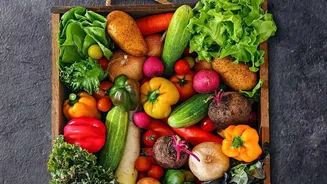
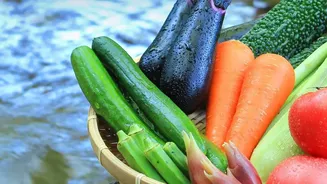
Not all vegetables handle the rainy season equally well. Your best and safest bets are often gourds, which thrive during this time. Look for bottle gourd (lauki), ridge gourd (turai), bitter gourd (karela), pointed gourd (parwal), and Indian squash (tinda).
These vegetables grow on vines above the waterlogged soil, reducing their exposure to contamination. They are also light on the stomach and packed with nutrients that help boost immunity during a season known for infections. Other good choices include okra (bhindi), cluster beans (gavar), and pumpkin (kaddu), which are naturally resilient.
Be Extra Cautious with Leafy Greens
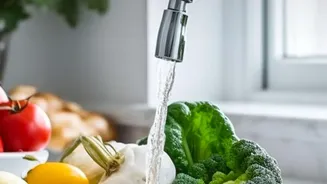
Leafy greens like spinach (palak), cabbage, and lettuce are best approached with caution during the monsoon. Growing close to the ground, their leaves can be easily contaminated by muddy, bacteria-laden water. The folds and layers also make perfect hiding spots for grit, worms, and other pests. If you do buy them, inspect each bunch carefully, avoiding any that are slimy, wilted, or have too many holes. It's crucial to wash them thoroughly—soaking in salt or vinegar water is recommended—and to cook them well rather than consuming them raw in salads.
Avoid These High-Risk Vegetables
Certain vegetables are particularly susceptible to spoilage and infestation in damp weather. Cauliflower and broccoli, with their tightly packed florets, can trap moisture, dirt, and insects, making them difficult to clean properly. This moisture can also lead to hidden mould growth. Brinjal (eggplant) is another vegetable to be wary of, as its spongy texture can absorb excess moisture, leading to quicker rotting and potential fungal infections. Mushrooms, which grow in soil and are highly porous, also pose a higher risk of bacterial growth and should be purchased from very reliable sources and cooked immediately.
Rethink Buying in Bulk
While stocking up can be convenient, buying vegetables in large quantities is not advisable during the monsoon. The high humidity accelerates the process of decay, and what looks fresh today can spoil in just a day or two. Instead, adopt a strategy of buying smaller batches more frequently. This ensures you are always cooking with the freshest possible produce and minimises waste. If you must buy slightly more, stick to hardier vegetables like potatoes, onions, and pumpkin, but ensure they are stored correctly.
Master the Art of Inspection
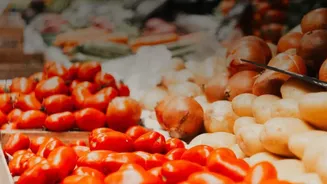
Your senses are your best tools at the market. Always look for vegetables that are firm to the touch and brightly coloured. Avoid anything with soft spots, bruises, or visible signs of water damage. Check for mould, which can appear as fuzzy white or black patches. Pay close attention to the smell; fresh vegetables have a clean, earthy scent, while a foul or sour odour is a clear sign of spoilage. Also, it's best to avoid pre-cut vegetables sold at stalls, as the exposed surfaces are highly susceptible to bacterial contamination in the humid air.
Proper Storage is Non-Negotiable
How you store your vegetables is just as important as how you buy them. First, never wash vegetables before storing them unless you plan to use them immediately, as moisture is the enemy. For hardy root vegetables like potatoes and onions, a cool, dark, and dry place is ideal—never the refrigerator, which can alter their flavour and texture. Most other vegetables should be stored in the refrigerator to slow down spoilage. Pat leafy greens completely dry and wrap them in paper towels before placing them in breathable bags in the vegetable crisper.