




When we think of athlete fuel, we often picture protein shakes. But what if a powerhouse carb source was hiding in plain sight, ready to be transformed from a simple breakfast into a complete training meal? Enter oats, in a surprisingly delicious avatar.
The Athlete's Carb: Why Oats Reign Supreme
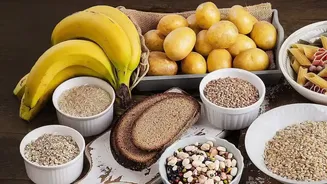
For anyone serious about their training, carbohydrates are the primary source of fuel. But not all carbs are created equal. Oats stand out as a superior choice because they are packed with complex carbohydrates. Unlike simple sugars that cause a quick energy spike followed by a crash, the carbs in oats are digested slowly. This provides a steady, sustained release of energy, which is crucial for powering through a long run, a heavy lifting session, or an intense HIIT class without hitting a wall. This slow release is thanks in large part to a special type of soluble fiber called beta-glucan, which also supports heart health and can help manage cholesterol.
The Glycemic Index Advantage
The Glycemic Index (GI) is a scale that ranks carbohydrate-containing foods by how much they raise blood sugar levels. Rolled oats typically have a low to moderate GI, meaning they cause a slower, more controlled rise in blood sugar. This prevents the rapid insulin spikes associated with high-GI foods like white rice. For an athlete, this is a significant advantage. A steady blood sugar level means more consistent energy during your workout and less risk of a 'bonk' or performance drop. After exercise, these same properties help replenish your muscle glycogen—the stored energy your body used during the workout—in a more controlled and efficient manner.
Beyond Breakfast: Reimagining Oats as a Savory Meal
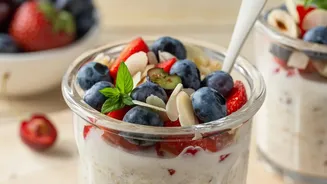
While a sweet bowl of oatmeal with fruit and nuts is a classic pre-workout meal, the versatility of oats extends far beyond breakfast. Savory preparations are gaining popularity, and for good reason. Cooking oats with broth instead of water, and adding herbs, spices, and vegetables, transforms them into a hearty, lunch or dinner-worthy meal. This opens up a world of possibilities for post-workout recovery meals that are both comforting and nutritionally complete. A savory oat bowl can easily incorporate protein and healthy fats, turning the humble grain into a balanced dish that supports muscle repair and reduces inflammation.
Spotlight: The Power of Oats Khichdi
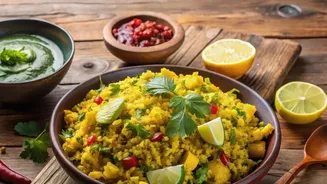
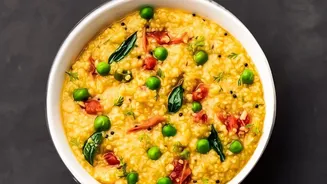
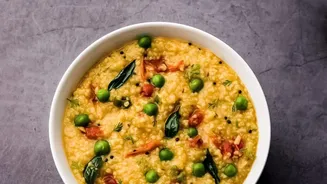
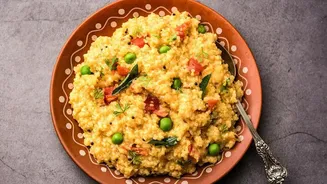
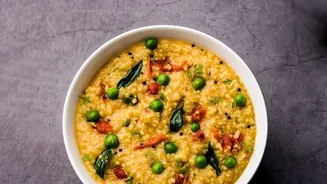
This brings us to a brilliant fusion of tradition and modern nutrition: Oats Khichdi. Khichdi, traditionally made with rice and lentils, is a beloved Indian comfort food known for being easy to digest. By substituting rice with oats, you create a meal that is even more aligned with an athlete's needs. Oats Khichdi offers the complex carbs and fiber from oats, combined with plant-based protein from lentils (dal). This combination makes for an excellent recovery meal. It helps replenish glycogen stores, provides the protein necessary for muscle repair, and is gentle on the stomach. Adding vegetables like spinach, carrots, and peas further boosts its vitamin and mineral content, creating a true one-pot powerhouse.
Timing Your Oat Meals for Peak Performance
How and when you eat your oats can make a difference. For a pre_workout meal, aim to consume oats 1 to 2 hours before you start training. This gives your body enough time to digest while ensuring the energy is available when you need it. A simpler preparation, like oatmeal with a banana, is ideal before a workout. For post_workout recovery, a more substantial meal like Oats Khichdi is perfect. Consumed within two hours after exercise, it provides the ideal mix of carbohydrates and protein to refuel your muscles, reduce exercise_induced inflammation, and prepare your body for the next session. It's crucial to pair post_workout oats with a quality protein source to maximize muscle repair.