



Prep for Success Before You Go
A safe visit starts before you even leave your apartment. Ensure your dog is healthy and up-to-date on all necessary vaccinations to prevent the spread of illness. Puppies under four months old are often too vulnerable and not fully vaccinated, so it's
best to wait until they are older. Similarly, female dogs in heat should stay home to avoid causing tension and unwanted attention from male dogs. It's also crucial to assess your dog's personality. If your dog is anxious or doesn't play well with others, a dog park might not be the right environment for them.
Master the Entrance
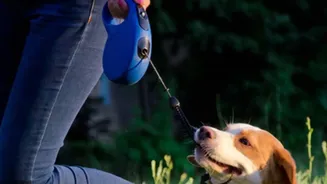
How you enter the park sets the tone. A common mistake is letting an overexcited dog burst through the gate, which can put other dogs on edge. If there’s a crowd of dogs at the gate, wait for it to clear before you go in. Many parks have a double-gated entry area; use this space to remove your dog’s leash before they join the pack. A leashed dog in an off-leash environment can feel defensive and restricted, potentially leading to aggression. A calm, controlled entry helps prevent overwhelming the dogs already playing.
Supervise Actively, Don't Zone Out
Once inside, your primary job is to supervise your dog. It can be tempting to chat with other owners or scroll through your phone, but a dog park is an unpredictable environment. You must always keep your dog within sight and be ready to intervene if play gets too rough or your dog shows signs of discomfort. Never leave your dog unattended. Active supervision means you can spot potential conflicts before they escalate, ensuring a safer space for every pet.
Learn to Read Dog Body Language
Understanding canine communication is critical. Healthy play often involves turn-taking, like chasing and being chased, and play bows. Signs of stress or aggression are key red flags. A dog might tense its body, stare hard at another dog, or raise the fur along its back. More subtle stress signals include yawning when not tired, excessive lip-licking, or tucking the tail low. If you see your dog (or another dog) displaying these behaviours, it's time to calmly intervene and create space or leave the park. Recognizing these cues prevents minor discomfort from turning into a fight.
Leave Toys and Treats at Home
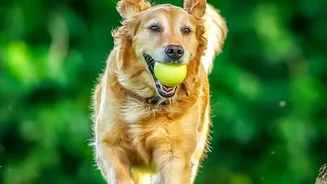
Bringing your dog's favourite ball or a bag of treats might seem like a good idea, but it often leads to trouble. This can trigger "resource guarding," a behaviour where a dog becomes possessive over items they value. A dog might growl, snap, or block other dogs from approaching a toy, the water bowl, or even you. To prevent conflicts, it's safest to leave personal toys and food outside the park. This ensures that all dogs can play on neutral ground without the added stress of competition.
Always Clean Up After Your Pet
This rule is non-negotiable for both courtesy and health. Dog waste can transmit parasites and viruses, making the park unsafe for other pets. Always carry waste bags and pick up after your dog immediately. A clean park is a sign of a respectful community of owners who care about the shared environment and the well-being of all the dogs who use it. It is a simple act that has a major impact on the health and hygiene of the space.