





The Unseen Danger in Standing Water
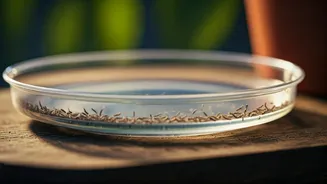
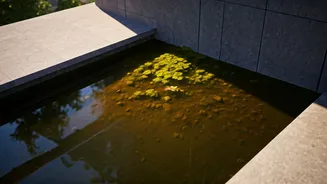
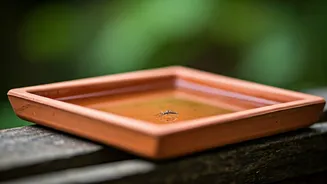
That little bit of water collected in a plant pot saucer might seem harmless, but it's a five-star hotel for mosquitoes looking to breed. In India, this is a serious concern as it creates a perfect breeding ground for the Aedes aegypti mosquito, the primary
carrier of dengue, chikungunya, and Zika virus. These mosquitoes are particularly notorious because they can lay eggs in a very small amount of stagnant water—even as little as what a bottle cap can hold. The eggs hatch into larvae, and in just about a week, new adult mosquitoes emerge, ready to bite. This cycle happens right in your home, turning your beautiful green corner into a health hazard, especially during and after the monsoon season.
Solution 1: The Empty-and-Dry Routine
The simplest and most effective way to break the mosquito breeding cycle is to eliminate their habitat. Make it a habit to check your plant pot trays every day or at least every other day. After watering your plants, wait about 30 minutes for the excess to drain out, then empty the saucer completely. It's not enough to just dump the water; you should also wipe the saucer dry. Aedes mosquito eggs are sticky and can cling to the sides of the container, surviving for months even when dry. Regularly wiping the saucer removes these resilient eggs and ensures no new mosquitoes can develop.
Solution 2: Fill Saucers With Sand or Gravel
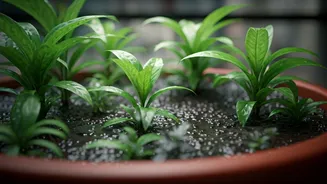
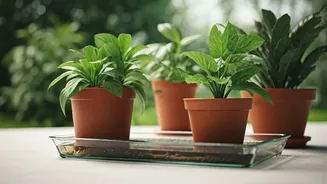
If daily emptying seems like too much of a chore, there’s another clever trick. Fill the pot saucers with a layer of sand or fine gravel. When you water your plants, the excess water will drain into the sand, keeping the soil moist through absorption without creating a pool of standing water on the surface. The sand or gravel layer prevents mosquitoes from accessing the water to lay their eggs. This method allows the tray to still serve its purpose of protecting your floors and furniture from water stains, but without becoming a mosquito nursery. It’s a low-maintenance solution that keeps your plants happy and your home safe.
Solution 3: Use Mosquito-Repellent Plants
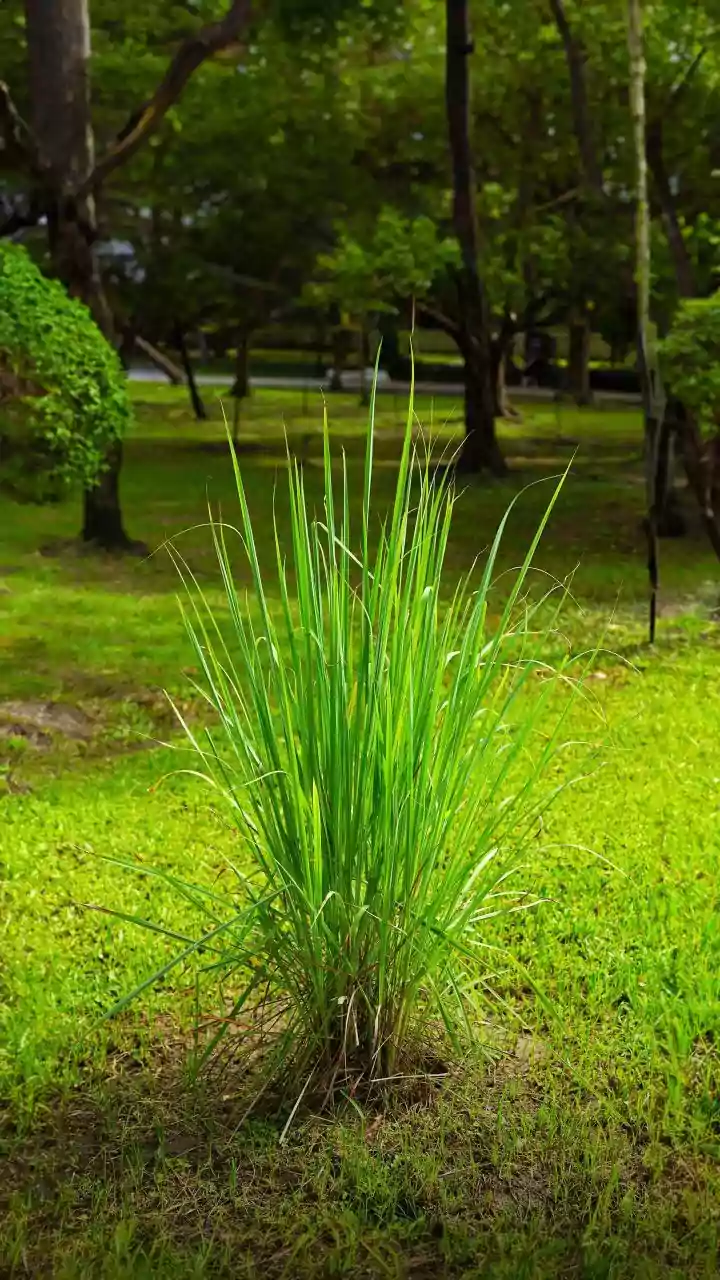
While you're tackling the water issue, you can also add another layer of defence by growing plants that naturally repel mosquitoes. Many common Indian household plants have scents that mosquitoes dislike. Consider adding pots of Tulsi (Holy Basil), Marigold, Lemongrass, Mint (Pudina), or Rosemary to your collection. The essential oils in the leaves of these plants act as a natural barrier. For example, the strong aroma of Tulsi and the distinct smell of Marigold are known deterrents. Planting these around your home, especially near windows and doors, can help reduce the number of mosquitoes that venture inside.
Look Beyond the Plant Pot
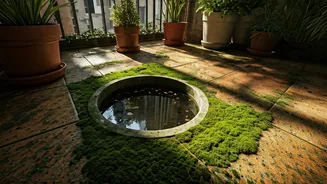
Once you have your pot trays under control, take a quick look around your home for other potential mosquito breeding spots. Stagnant water can collect in a surprising number of places. Common culprits include air cooler trays, clogged roof gutters, discarded tyres, coconut shells, and even old buckets or toys left out in the rain. Make it a weekly habit to do a quick survey of your home and compound, emptying any container that holds water. Ensuring your surroundings are dry is just as important as managing the water in your plant saucers for a mosquito-free home.