






The Reality of Monsoon Mountain Travel
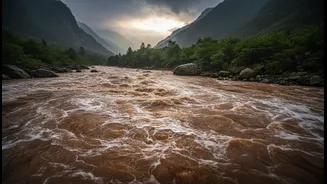
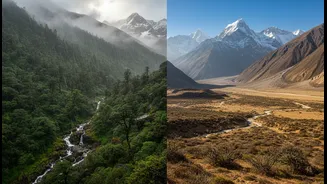
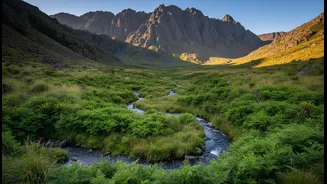
While the monsoon transforms hill stations into lush, green paradises, it also brings significant risks. Heavy rainfall saturates the soil, dramatically increasing the danger of landslides and flash floods, especially in vulnerable regions like Uttarakhand
and Himachal Pradesh. Roads can become slippery, waterlogged, or blocked entirely by debris, sometimes for days. This isn't just an inconvenience; it's a serious safety concern that demands respect. Mountains create their own weather, and a sunny morning can quickly turn into a torrential downpour, catching unprepared travellers off guard. Therefore, the most critical part of your monsoon travel plan isn't the destination, but the adaptability built into your schedule.
Monitor Forecasts and Official Advisories
Before you even pack your bags, become a diligent student of the weather. Regularly check forecasts from the India Meteorological Department (IMD). Pay close attention to colour-coded alerts (yellow, orange, red) which indicate the severity of expected rainfall. Local authorities and state police often issue specific travel advisories on social media, warning about road closures or dangerous conditions in certain districts. It’s wise to avoid areas under an orange or red alert altogether. Remember to check the forecast not just for your destination but also for the entire route you plan to take. Conditions can change rapidly, so get the latest update on the morning you are set to travel.
Building a Flexible Itinerary
Flexibility is your best friend during monsoon travel. Avoid rigid, prepaid itineraries that leave no room for change. When booking accommodation and flights, look for options that offer free cancellation or flexible rescheduling. Many travel platforms now provide 'flexi' booking choices that can be invaluable. It's also crucial to have a backup plan. Identify an alternative, safer destination or be prepared to extend your stay if you get stranded due to a roadblock. Always keep at least one buffer day in your travel plan. If a landslide blocks your return route, that extra day will prevent the stress of missed flights or work commitments.
On-the-Road Safety Is Paramount
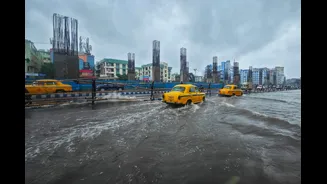
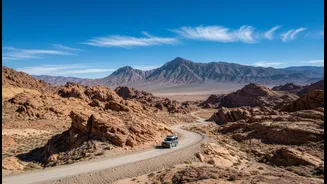
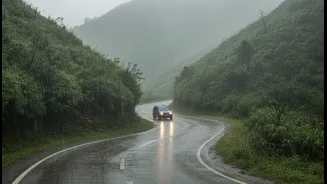
Driving on winding mountain roads during heavy rain requires extreme caution. Ensure your vehicle is in excellent condition, with good tyres and working wipers and headlights. Reduce your speed significantly, as roads will be slippery and visibility poor. It’s recommended to drive at least 15-20 km/h slower than the dry-weather speed limit. Avoid driving after dark, as it’s much harder to spot potholes, fallen rocks, or washed-out road edges. The vehicle going uphill generally has the right-of-way on a narrow road. If you encounter a roadblock or heavy waterlogging, do not take risks. It is always better to wait for the weather to clear or for authorities to give the all-clear than to attempt a dangerous crossing.
Pack Smart for the Rain
Your packing list for a monsoon hill trip is different from a summer one. Prioritise waterproof gear. A reliable rain jacket or poncho is non-negotiable. Invest in waterproof footwear with a good grip to navigate slippery paths. Pack quick-drying clothes made of synthetic fabrics rather than cotton, which stays wet for a long time. It's also wise to carry multiple pairs of socks. Protect your electronics with dry bags or waterproof covers for your backpack. Finally, always carry a basic emergency kit containing a first-aid box, essential medicines, a flashlight, a power bank, and some non-perishable snacks and water in case you get stranded.