


The Body in a Hostile Environment
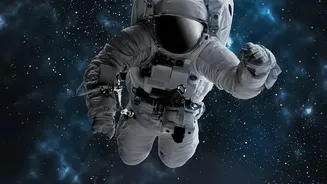
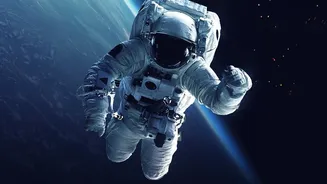
Space is incredibly hard on the human body. Without Earth's gravity, astronauts experience rapid health declines that mimic aging, but at a much faster rate. The most well-known effects are bone density and muscle mass loss. In microgravity, the body doesn't
have to work to support itself, leading to atrophy. Astronauts can lose bone minerals at a rate far exceeding that of osteoporosis on Earth, and recovery after returning can be incomplete. Beyond musculoskeletal issues, astronauts face cardiovascular deconditioning, a weakened immune system, and even changes to their vision. Add to that the constant exposure to space radiation, which increases the risk of degenerative diseases, and the unique stresses of isolation and confinement. These physiological changes mean that simply eating enough calories is not sufficient; the right nutrients are essential to counteract these debilitating effects.
The Challenge of a Five-Year Pantry
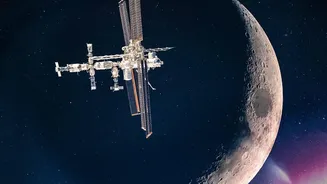
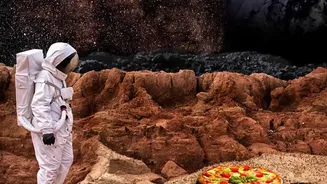
For missions to the International Space Station (ISS), resupply cargo ships can bring fresh food and other necessities every few months. But a trip to Mars is different. It could take over two years, with no chance for a grocery run. Currently, no food system exists that can meet the nutritional and safety requirements for such a long mission. Pre-packaged foods, the mainstay of space travel, have a limited shelf life. Key nutrients like vitamins A, C, and folate degrade over time, meaning a meal that was nutritious on launch day might be deficient three years later. The sheer mass and volume of packing enough food for a multi-year journey is another huge obstacle. This forces scientists to rethink the entire approach, moving from a "pack-and-go" model to one of sustainable, independent food production.
Growing Food at the Final Frontier
The most promising solution is growing fresh food in space. NASA's Vegetable Production System, or "Veggie," on the ISS has already successfully grown lettuce, cabbage, kale, and even chili peppers. These experiments are crucial for understanding how plants grow in microgravity and for providing supplemental nutrition. Astronauts who have tended to these space gardens and eaten the fresh produce report significant psychological benefits. The ability to care for a living thing and enjoy a fresh salad offers a connection to Earth and a much-needed sensory experience in a sterile environment. Future systems being explored include advanced hydroponics, growing protein-rich algae like spirulina, and even genetically engineering fruit trees that can flower and produce continuously in contained environments. The goal is to create a closed-loop, bioregenerative life support system where waste is recycled into resources for growing crops.
More Than Just Calories
Food on a long-duration mission is about more than just physical sustenance; it's a cornerstone of psychological well-being. After months of eating from pouches, astronauts experience "menu fatigue," where even their favorite foods become unappealing. This can lead to a reduced appetite and unintentional weight loss, which further compromises health. The social act of preparing and sharing a meal provides a sense of normalcy and community, crucial for morale during prolonged isolation. The taste, texture, and aroma of food are deeply tied to an astronaut's emotional state. For this reason, many astronauts prefer spicier foods in space, partly because sinus congestion in microgravity dulls their sense of smell and taste. Providing a varied, palatable, and culturally diverse menu is a key mission requirement.