




From Humble Staple to Superfood
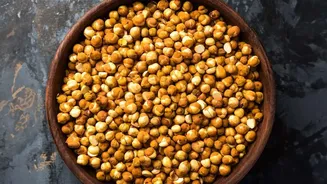
For generations, sattu has been a cornerstone of diets in Eastern India, valued for its long shelf life and nutritional punch. Made from roasted Bengal gram (chana), it’s a flour that’s both affordable and incredibly versatile. Traditionally, it has been consumed
as a cooling 'sharbat' in the summer, mixed with water, salt, and spices to combat dehydration. It's also famously used as a stuffing for savoury dishes like litti and parathas. This ancient food, once carried by farmers and laborers for a filling meal on the go, is now being celebrated for the very qualities that made it so essential: its convenience and high nutrient density.
The Modern Breakfast Reinvention
The resurgence of sattu is driven by a modern-day quest for quick, healthy, and high-protein breakfast options. In a world of expensive protein powders and complex meal preps, fitness-conscious individuals are turning to sattu for a simpler solution. The new trend sees it moving beyond traditional drinks and into nutrient-dense breakfast bowls. By treating the flour as a base, similar to oats or smoothie powders, users can create a thick, creamy porridge or bowl in minutes. This reinvention taps into the global trend of breakfast bowls, but with a distinctly Indian, plant-based ingredient that is both familiar and powerful.
A Nutritional Powerhouse
The appeal of sattu lies in its impressive nutritional profile. A 100-gram serving packs approximately 20-25 grams of plant-based protein, making it comparable to many commercial supplements. It's also exceptionally high in dietary fibre, which aids digestion, promotes a feeling of fullness, and helps manage weight. Sattu has a low glycemic index, meaning it releases energy slowly and prevents sharp spikes in blood sugar, making it an excellent choice for sustained energy throughout the morning. Furthermore, it is a rich source of essential minerals like iron, magnesium, and calcium, which are vital for everything from bone health to muscle function.
How to Build Your Sattu Bowl
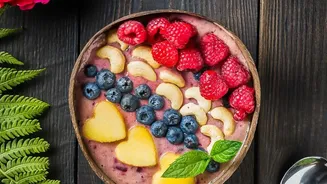
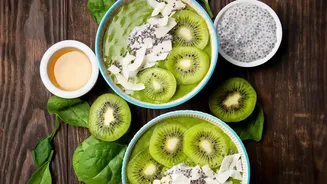
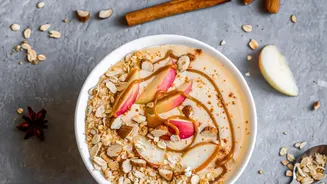
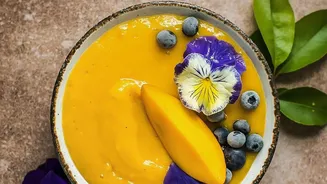
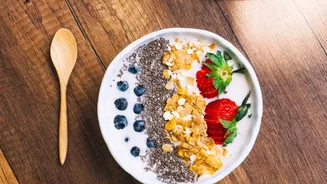
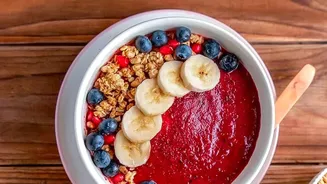
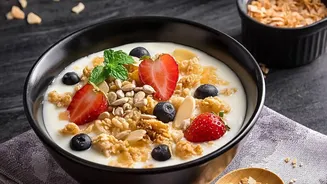
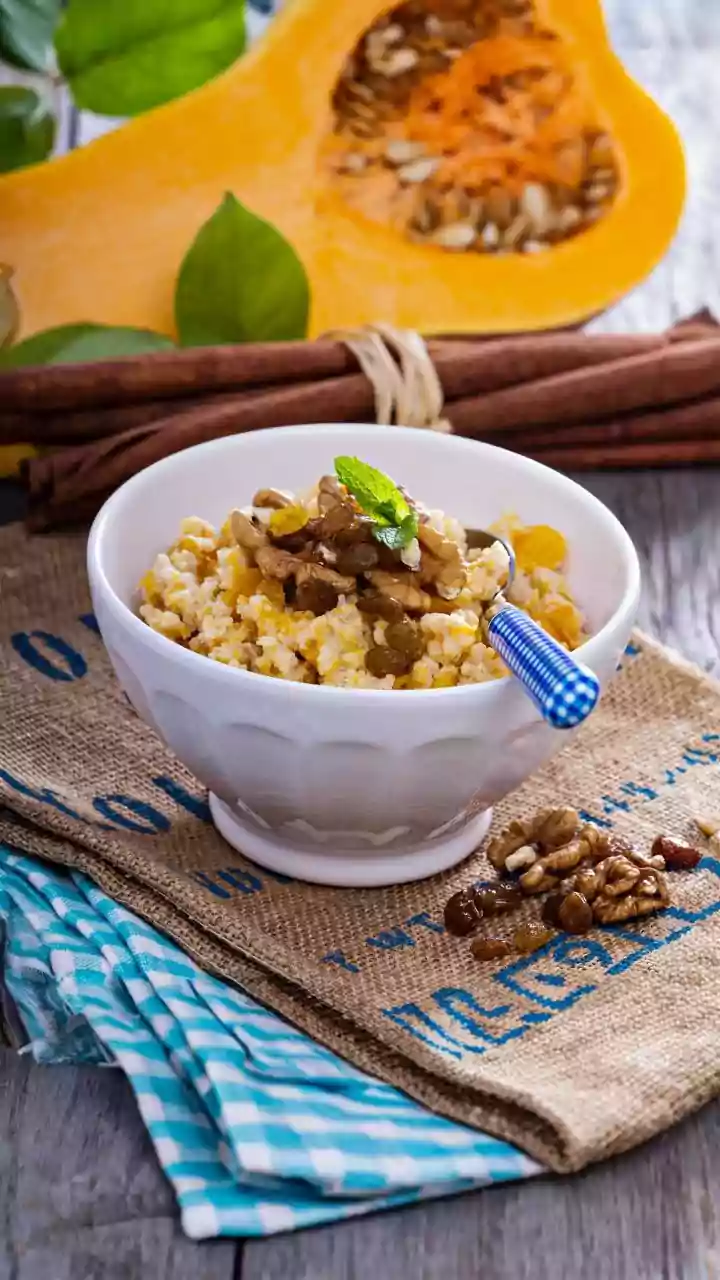
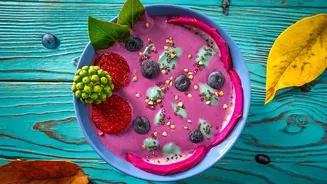
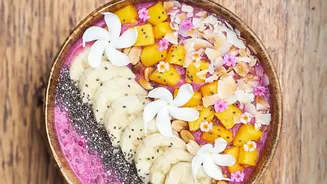
Creating a sattu breakfast bowl is simple and highly customizable. Start with a base of 3-4 tablespoons of sattu flour in a bowl. Slowly whisk in a liquid of your choice—water, milk, buttermilk, or a plant-based milk like almond or soy—until you reach a thick, porridge-like consistency. From there, the possibilities are endless. For a sweet version, mix in a natural sweetener like jaggery, honey, or maple syrup. Then, load it up with toppings: fresh fruits like bananas and berries, a handful of nuts and seeds for healthy fats and crunch, or even a spoonful of peanut butter for extra protein. For a savoury take, you can mix the sattu with yogurt or buttermilk, add chopped onions, tomatoes, and fresh coriander, and season with black salt and roasted cumin powder.
Beyond the Breakfast Bowl
The modern embrace of sattu doesn't stop at bowls. Its fine, ready-to-eat nature makes it a perfect addition to a variety of other quick meals. You can blend it into post-workout smoothies with fruit and milk for rapid recovery. It can be mixed with ghee and jaggery to create traditional energy-boosting laddoos, a perfect on-the-go snack. Some are even using it to make savoury pancakes or 'cheelas', offering a high-protein alternative to traditional breakfast dishes. This versatility ensures that sattu can easily be incorporated into any diet, providing a powerful nutritional boost without requiring any cooking.