


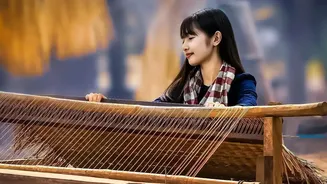
In a world of identical outfits and synthetic fabrics, a quiet revolution is happening. Younger shoppers, tired of the sameness of fast fashion, are rediscovering the rich, tactile world of Indian handlooms for their unique character.
The Search for Authenticity
There's a growing
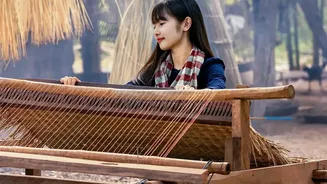
fatigue with the endless cycle of mass-produced fashion. For many younger consumers, the identical polyester tops and generic cotton tees that dominate retail lack a personal touch. This has sparked a search for clothing with character, a story, and a tangible connection to a craft. Handloom fabrics offer a compelling alternative. Unlike machine-made textiles, which are designed for uniformity, handwoven materials are imbued with the slight, beautiful imperfections that signal a human touch. This shift is driven by a desire for individuality and a move toward more conscious consumption. Shoppers are increasingly asking where their clothes come from and who made them, valuing the narrative behind a garment as much as its appearance.
A Symphony of Unique Textures
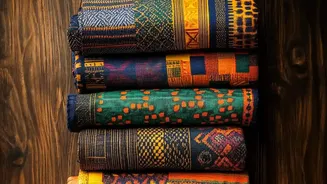
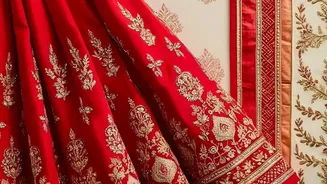
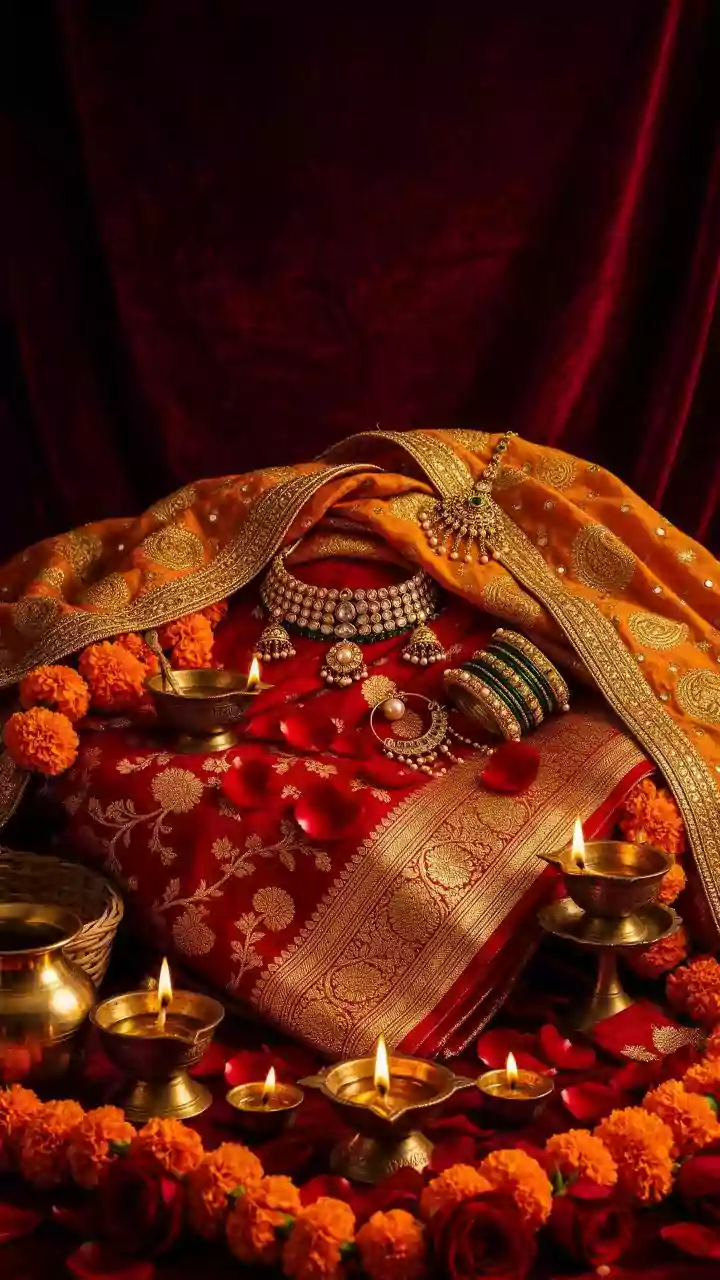
The true magic of handloom lies in its incredible diversity of textures—a sensory experience fast fashion cannot replicate. Consider the difference between the sheer, lightweight elegance of Chanderi from Madhya Pradesh, woven with a blend of silk and cotton, and the dense, heavy drape of a Kanjeevaram silk saree from Tamil Nadu, known for its lustrous finish and durability. There’s the earthy, slubby texture of Bhagalpuri or Tussar silk from Bihar, which feels raw and organic. Then there is Khadi, the hand-spun and hand-woven fabric championed as a symbol of self-reliance, which has a distinctively breathable and slightly coarse feel that softens with every wash. Other fabrics like the feather-light Kota Doria from Rajasthan, with its signature square checks, or the crisp structure of Maheshwari sarees, offer a tactile vocabulary that mass-market synthetics simply do not possess.
From Niche to Mainstream
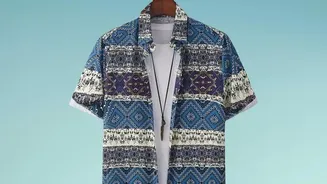
This renewed interest is not just about appreciating heritage; it's about making it relevant for today. Younger shoppers are styling handloom pieces in contemporary ways: pairing an Ikat kurta with jeans, draping a Jamdani saree over trousers, or using a vibrant Bandhani dupatta as a statement accessory. This creative reinterpretation is stripping handloom of its 'older generation' tag and turning it into a medium for modern self-expression. The sustainability aspect is another significant driver. Handloom production has a much lower carbon footprint, often uses natural fibres and dyes, and supports a circular economy through its durability, directly countering the throwaway culture of fast fashion. For a generation increasingly concerned with environmental impact, choosing a handloom piece is both a style statement and an ethical choice.
Digital Looms: Technology Meets Tradition
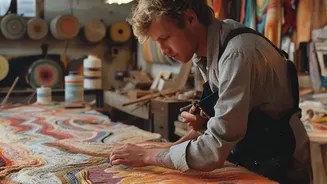
Social media and e_commerce have been instrumental in this revival. Platforms like Instagram and Pinterest have become virtual showrooms, allowing artisans and independent brands to tell the story behind their weaves. Through compelling visuals and narratives, they can showcase the intricate process, the weaver's skill, and the cultural origins of each fabric. This digital bridge connects weavers in remote clusters directly with urban consumers, eliminating intermediaries and making these regional treasures accessible to a national audience. Influencers and celebrities championing artisanal fashion have further amplified this trend, inspiring their followers to explore and experiment with handloom textiles in their own wardrobes.