


The Quiet Rise of a Dietary Superstar
For years, conversations around healthy eating focused on proteins, carbs, and fats. But now, dietary fiber is finally getting its moment in the spotlight. Nutritionists and health experts are increasingly highlighting fiber's crucial role in maintaining
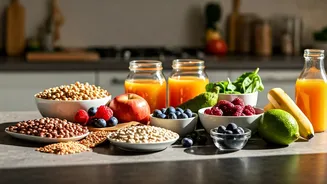
digestive health, regulating blood sugar levels, supporting a healthy heart, and feeding the beneficial bacteria in our gut. This shift in focus has led many to look for sustainable, enjoyable ways to increase their fiber intake. The answer, it turns out, has been on our plates all along. Indian home cooking, with its foundation of lentils, legumes, whole grains, and vegetables, is a natural treasure trove of fiber.
Why Traditional Indian Food Excels in Fiber
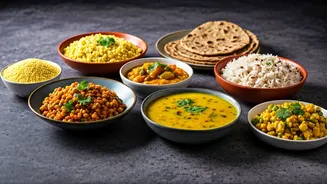
Unlike many Western diets that can be heavy on refined flours and processed foods, a traditional Indian thali is a masterclass in balanced nutrition. The secret lies in its core components. Legumes and lentils (dals), whole grains like atta and millets, and a diverse array of seasonal vegetables (sabzis) form the backbone of daily meals. These ingredients are not just flavourful carriers for spices; they are nutritional powerhouses packed with both soluble and insoluble fiber. This renewed appreciation isn't about a new fad; it's about recognising the time-tested wisdom embedded in our culinary heritage, which has always prioritised wholesome, plant-forward eating.
Dal: The Heartbeat of the Indian Meal
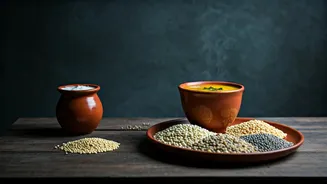
No discussion of fiber in Indian food is complete without celebrating dal. From the simple dal tadka served with rice to the complex flavours of a South Indian sambar, lentil-based dishes are a daily staple across the country. A single bowl of dal can provide a significant portion of your daily fiber requirement. Chana masala (chickpeas), rajma (kidney beans), and lobia (black-eyed peas) are other fantastic legume-based curries that deliver a hearty dose of fiber and protein, keeping you full and satisfied for longer. These dishes are not only healthy but also incredibly versatile and comforting.
Beyond Wheat: The Return of Millets
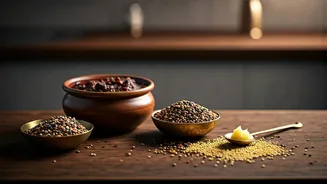
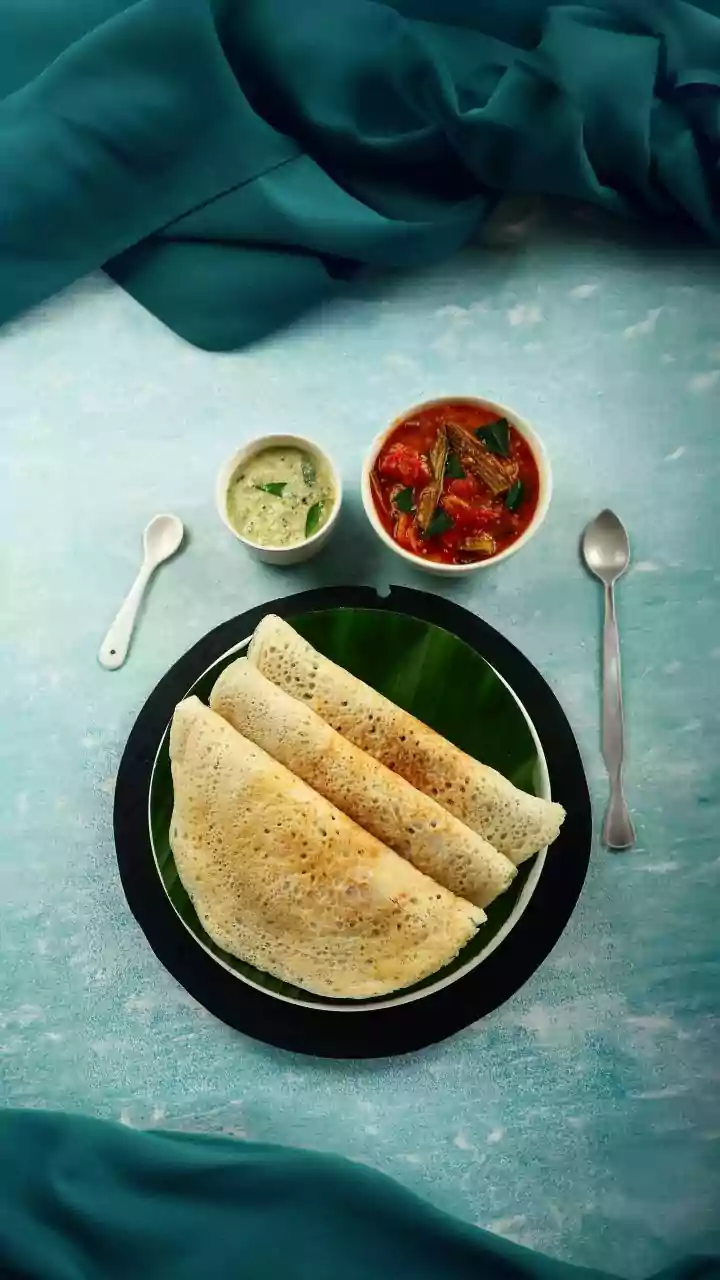
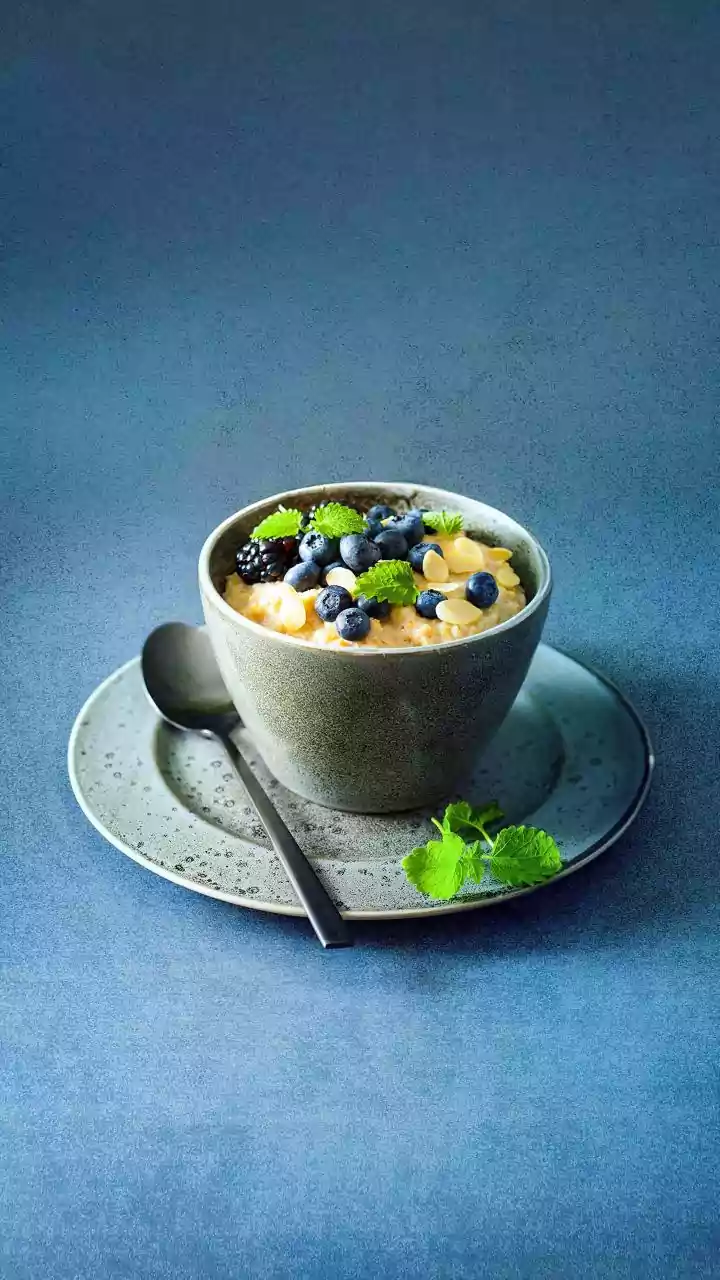
While whole wheat rotis are a great source of fiber, India's ancient grains are making a major comeback. Millets like jowar (sorghum), bajra (pearl millet), and ragi (finger millet) are gluten-free, high in fiber, and packed with essential minerals. They are being used to make everything from rotis and bhakris to dosas and porridges. Swapping refined white rice for brown rice or a simple khichdi made with dal and rice or millets is another easy way to instantly boost the fiber content of your meal. These grains add a wonderful nutty flavour and texture, making healthy eating a delicious experience.
Don't Forget Your Sabzi
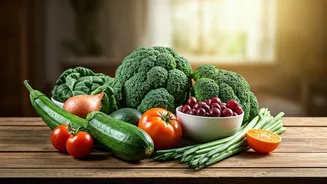
The humble sabzi, or vegetable side dish, is a fiber hero. Indian cuisine offers an endless variety of preparations that make vegetables the star of the show. Think of fibrous vegetables like bhindi (okra), baingan (eggplant), gourds, and leafy greens. Dishes like Palak Paneer (spinach), Baingan Bharta (roasted eggplant), and simple stir-fries with cabbage or beans are excellent ways to load up on nutrients. Aiming to have at least two different vegetables with your lunch and dinner is a simple rule of thumb to ensure you're getting a wide range of vitamins and a healthy amount of dietary fiber.