





The Body’s Unsung Drainage System
Before we can understand the walk, we need to appreciate the system it targets. Your lymphatic system is a vast, complex network of vessels and nodes that plays a crucial role in your immunity and overall health. Think of it as your body's sophisticated
waste removal and recycling service. It collects excess fluid from tissues, filters out waste products, bacteria, and other harmful substances, and transports infection-fighting white blood cells. Unlike your cardiovascular system, which has the heart as a powerful central pump, the lymphatic system relies on other forces to move its fluid, called lymph. These forces are primarily the contraction of your muscles and the rhythmic motion of deep breathing.
So, What Is Lymphatic Walking?
Lymphatic walking isn't a secret or complex exercise. At its core, it is regular walking performed with specific intentions to maximise the body's natural pumping mechanisms. The trend, popularised on social media, essentially packages well-established principles of healthy movement into an accessible format. It encourages a mindful approach that focuses on posture, breathing, and deliberate movement rather than just accumulating steps. The goal is to turn a simple walk into a more efficient session for stimulating lymph flow by consciously engaging the muscles and breathing patterns that help propel the fluid through your body.
A Step-by-Step Guide
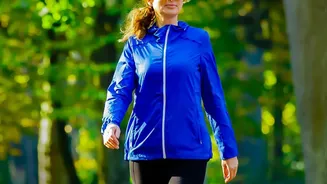
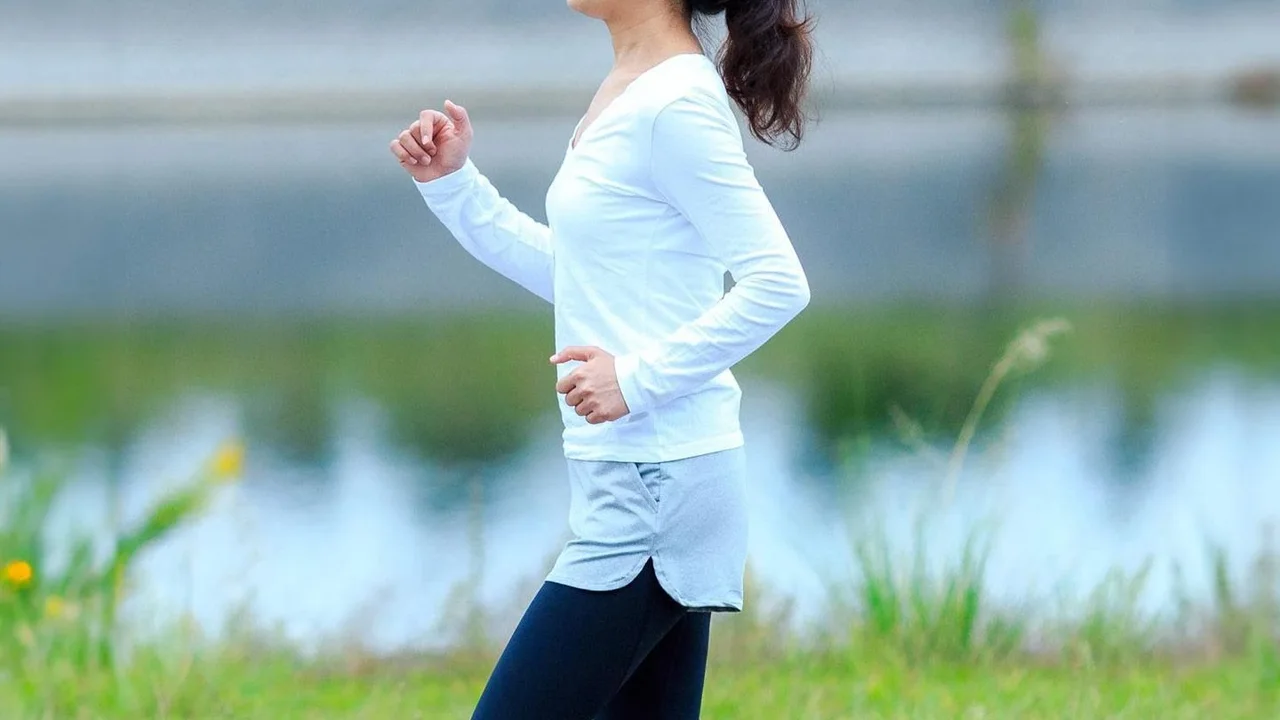
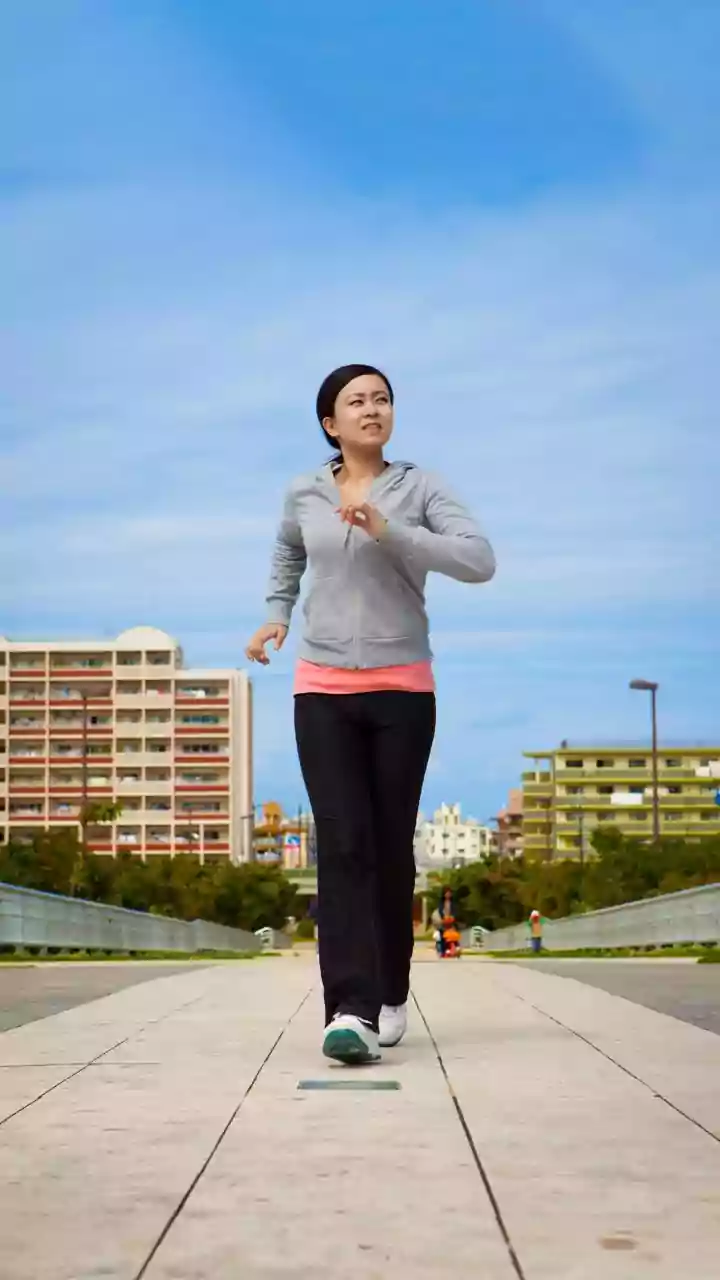
Ready to give it a try? The technique is simple and can be incorporated into any walk. Start by walking at a brisk but comfortable pace, one where you could still hold a conversation. Maintain an upright posture, keeping your shoulders relaxed and pulled back slightly to open up your chest. Let your arms swing naturally but purposefully. Some variations encourage a slight cross-body swing to enhance torso rotation. Focus on deep, diaphragmatic (belly) breathing, trying to sync your breaths with your steps. This deep breathing creates pressure changes in your chest and abdomen that help pull lymph fluid through its largest vessels. Finally, pay attention to your feet, rolling smoothly from heel to toe. This motion activates your calf muscles, often called the body's 'second heart' for their role in pushing both blood and lymph fluid upward against gravity. Aim for about 20 to 30 minutes for the best results.
The Purported Benefits vs. The Reality
Advocates of lymphatic walking often claim it can reduce bloating, flush toxins, boost immunity, and even help with weight loss. While the core principles are sound, some of these claims can be overstated. Any form of walking will stimulate your lymphatic system. Studies have shown that lymph flow can increase by two to three times during exercise compared to when at rest. The feeling of being lighter or less bloated after a walk is real, but it's typically due to a temporary shift in body fluids, not fat loss. There is no scientific evidence to suggest that the specific 'lymphatic walking' technique is superior to any other form of brisk, rhythmic walking with good posture. The real benefit of the trend may be that it encourages people to walk more mindfully and consistently, incorporating elements like deep breathing and posture awareness that are beneficial for overall health, not just the lymphatic system.
The Verdict: A Trend Worth Trying?
Lymphatic walking is less a revolutionary workout and more a repackaging of time-tested advice: walk regularly and do it with good form. The trend's greatest strength is its focus on intention. By bringing conscious awareness to your posture, arm swing, and breathing, you can enhance the inherent benefits of walking. It serves as a valuable reminder that how we move can be just as important as that we move. It turns a subconscious activity into a mindful wellness practice. So while it may not be a magic bullet for detoxification or weight loss, adopting the principles of lymphatic walking can certainly make your daily stroll a more potent, holistic health habit.