




A Search for Comfort and Simplicity
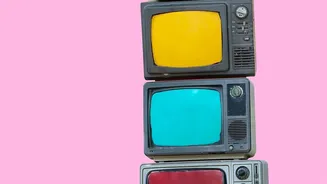
One of the biggest drivers is the simple human need for comfort. For many young millennials and older Gen Z viewers, shows like 'Hip Hip Hurray' or 'Sarabhai vs Sarabhai' are a direct portal to their childhood. Research shows that nostalgia can be a powerful
psychological resource, improving moods and providing a sense of stability in an uncertain world. These older shows, with their often lighter, more straightforward narratives, offer a relaxing escape from the complexities of modern life and the constant stimulation of social media. The low-stakes problems and guaranteed resolutions in sitcoms like 'Hum Paanch' or 'Dekh Bhai Dekh' function as a form of emotional regulation, a safe space for the brain.
The Rise of 'Historical Nostalgia'
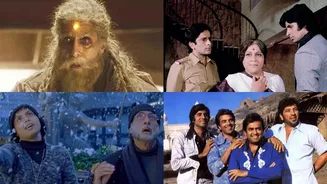
Interestingly, this trend isn't limited to those who grew up watching these shows. Younger Gen Z viewers, who never saw the original broadcasts, are also tuning in. This phenomenon is known as 'historical nostalgia'—a longing for an era one has never personally experienced. For this digital-native generation, the 90s and early 2000s represent a pre-social media time that seems more authentic and human-centric. They experience this past through a modern lens, via social media clips, fan edits, and viral memes that bring characters from shows like 'Shaktimaan' back into the cultural conversation.
The Streaming Platform Time Machine
This trip down memory lane is actively encouraged by streaming platforms. OTT services like Disney+ Hotstar, ZEE5, and Amazon Prime Video have recognised the commercial value of their back catalogues. By making iconic shows readily available, they cater to this demand and use powerful algorithms to recommend these classics to new audiences. It's a smart business strategy that keeps subscribers engaged and broadens the appeal of their content library. For the platforms, these evergreens are proven hits that cost little to license compared to producing new, risky original content, offering a reliable way to drive viewership.
A Bridge Between Generations
The resurgence of classic TV has another surprising social benefit: it connects generations. In a media landscape fragmented by individual screens and niche interests, these shows offer a rare piece of common cultural ground. Watching 'Malgudi Days' or 'Ramayan' can become a shared activity, allowing younger generations to understand the cultural touchstones that shaped their parents. The inside jokes and memorable characters become a shared language within families, sparking conversations and strengthening bonds in a way that modern, targeted content often cannot.
The Business of Looking Back
Beyond the streaming platforms themselves, the power of nostalgia has been fully embraced by the marketing industry. Brands are increasingly leveraging nostalgia to forge emotional connections with consumers, especially younger ones. Studies show that nostalgia marketing makes brands appear more authentic and trustworthy, which significantly influences purchasing decisions. By associating a product with a beloved memory or a classic aesthetic, companies can tap into powerful feelings of comfort and familiarity. Campaigns that revive old jingles or feature actors reprising iconic roles from the past are highly effective because they sell not just a product, but a feeling.