






Understanding the Orionids
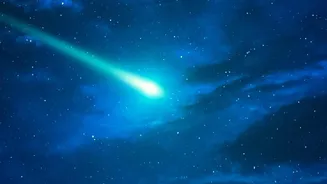
The Orionid meteor shower is one of the most reliable and beautiful of the year. Active from early October to early November, it's famous for producing bright, fast meteors. What makes this shower extra special is its pedigree. The Orionids are cosmic
litter, tiny fragments of ice and dust left behind by none other than Halley's Comet, the most famous comet in history. Each year, Earth passes through this trail of debris, and as the particles burn up in our atmosphere at incredible speeds, they create the stunning streaks of light we call meteors. In a perfect, dark sky, skywatchers can typically expect to see around 15 to 20 meteors per hour during the shower's peak.
The Peak Dates for 2026
For 2026, the Orionid meteor shower is predicted to reach its peak activity on the night of October 21 and into the early morning hours of October 22. This is when Earth plows through the densest part of Halley's Comet's debris stream, offering the best chance to see the highest number of meteors. The best viewing window is typically after midnight and before dawn, as the shower's radiant — the point in the sky from which the meteors appear to originate, near the constellation Orion — climbs higher into the sky. This timing is consistent across India, from the northern reaches of Ladakh to the southern tip of Kanyakumari.
The Bright Moon Problem
Unfortunately, nature has scheduled a major spoiler for the 2026 peak. On the key nights of October 21-22, the moon will be in its waning gibbous phase. A full moon occurred on October 15, so while the moon will be shrinking, it will still be exceptionally bright, illuminating the sky for a large part of the night. This bright moonlight acts like natural light pollution, washing out the fainter meteors and drastically reducing the number you can see. Instead of the ideal 15-20 meteors per hour, viewers might only catch the very brightest fireballs. The moon will rise later in the evening, meaning its glare will be a persistent issue during the prime post-midnight viewing hours.
Tips for Better Viewing
Despite the moonlight, a determined observer can still have a memorable experience. The key is to strategize. First, find the darkest possible location away from city and street lights. Light pollution from urban areas compounds the moon's brightness. Second, be patient. Your eyes need at least 20-30 minutes to fully adapt to the dark, so put your phone away. Third, position yourself to keep the moon out of your direct line of sight. Sit in the shadow of a building, a hill, or a line of trees. This will help reduce the direct glare and preserve your night vision. Finally, don't just stare at the radiant in Orion. The meteors will appear all over the sky, and often the most spectacular ones with the longest tails are seen farther away from the radiant.
Look Beyond the Peak
Don't let the peak night's bright moon discourage you entirely. The Orionids are active for several weeks. While the absolute peak is on October 21-22, you can still try your luck on the nights leading up to it or in the week after. As we move further into late October, the moon will rise later and later each night and its phase will shrink to a last quarter and then a crescent. This provides a window of truly dark sky between nightfall and moonrise, or in the pre-dawn hours after the moon has set. Checking your local moonrise and moonset times for the last week of October could reveal a much better, albeit less active, viewing opportunity.