





What is the 50/30/20 Rule?
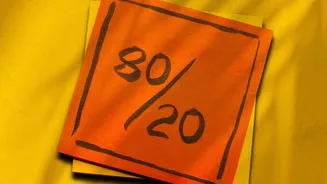
Popularised by US Senator Elizabeth Warren, the 50/30/20 rule is a straightforward budgeting framework designed to be simple and effective. It splits your after-tax income into three distinct categories: 50% for your Needs, 30% for your Wants, and 20%
for Savings and Investments. The goal is not to restrict you with complex spreadsheets, but to provide a balanced approach to spending and saving. By allocating your money this way, you ensure that you are covering your essential costs, enjoying your life, and building a secure financial future all at the same time. It’s a popular starting point for young professionals because it’s easy to understand and implement immediately.
The 50% Foundation: Your Needs
Half of your take-home pay is allocated to 'Needs'. These are the essential, non-negotiable expenses required for you to live and work. This category includes your rent or home loan EMI, utility bills like electricity and water, groceries, essential transportation costs, and insurance premiums. Minimum payments on any existing loans also fall under this bucket. The key is to be honest about what constitutes a need versus a want. For example, basic groceries are a need, but frequently dining at expensive restaurants is a want. If your needs exceed 50%, it's a signal to review your core expenses and see where you might be able to economise.
The 30% Zone: Your Wants
This category is for discretionary spending—the things that make life more enjoyable but aren't vital for survival. Thirty percent of your income can go towards your 'Wants', which include hobbies, entertainment like movies and streaming subscriptions, shopping for non-essential items, vacations, and dining out. This is the area where overspending often happens without notice. By setting a clear limit, the 50/30/20 rule encourages mindful spending. It allows you to enjoy the fruits of your labour without the guilt or the risk of derailing your financial goals. It’s about creating a balance between enjoying the present and planning for the future.
The 20% Powerhouse: Your Financial Shield
This final 20% is arguably the most critical portion for long-term financial health and the key to handling emergencies. This money is dedicated to 'Savings and Investments'. Its primary job is to build your financial security. A crucial first step is to channel a part of this 20% into an emergency fund. This fund is your direct protection against sudden, unexpected expenses. Once you have a healthy emergency fund, the rest of this allocation can be used for other goals, such as paying down high-interest debt more aggressively, saving for a down payment on a home, or investing in mutual funds or other assets for long-term wealth creation.
Building Your Emergency Fund
An emergency fund is a pool of money set aside specifically for unforeseen financial shocks. This could be a medical emergency, urgent car or home repairs, unexpected travel, or sudden job loss. By consistently allocating a part of your 20% savings to this fund, you build a buffer. Financial experts typically recommend saving enough to cover three to six months of your essential living expenses. For example, if your monthly 'Needs' cost you ₹30,000, your target emergency fund would be between ₹90,000 and ₹1,80,000. Having this cash readily available in a separate, easily accessible savings account or liquid fund means you won't have to take on high-interest debt or derail your long-term investments when a crisis hits.
Adapting the Rule to Indian Realities
While the 50/30/20 rule is a fantastic guideline, it’s not rigid. It's a framework that can be adapted. In major Indian cities like Mumbai or Bengaluru, high rent can sometimes push the 'Needs' category beyond 50% of income. In such cases, the key is to protect your savings. You might need to adjust to a 60/20/20 split, consciously reducing your 'Wants' to ensure you are still saving that crucial 20%. The priority should always be to pay your future self first. Using budgeting apps to track your spending and setting up automatic monthly transfers to your savings and investment accounts can make sticking to your plan much easier.