







The Science of the Food Coma
What you eat for lunch has a significant impact on your performance for the rest of the day. Lunches high in refined carbohydrates (like white rice or bread) and sugars cause a rapid spike in your blood sugar, followed by a sharp crash that leaves you feeling
tired and unfocused. Studies have shown that employees with unhealthy diets are up to 66% more likely to report lower productivity. A balanced meal, on the other hand, provides a steady release of energy, keeping you alert and engaged. The goal is to choose foods that fuel your brain and body, not slow them down.
Building a Power-Packed Tiffin
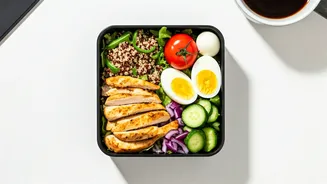
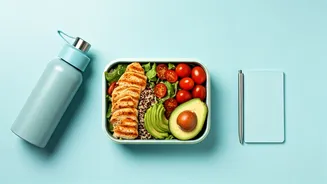
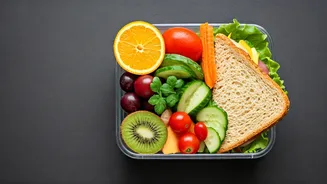
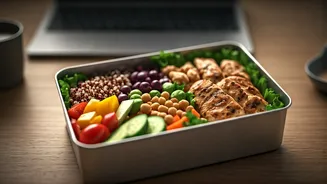
The ideal office lunch should be a balanced mix of macronutrients. Aim for lean protein, complex carbohydrates, healthy fats, and plenty of fibre. For an Indian context, this could mean a whole-wheat roti with paneer bhurji and a side of salad, or a bowl of rajma with brown rice. Lentils, chickpeas, grilled chicken, and fish are excellent sources of protein that promote satiety and stable energy. Complex carbs found in millets, quinoa, and whole grains provide sustained fuel. Don't forget a portion of vegetables for essential vitamins and fibre. A simple kachumber salad or a side of lightly sautéed vegetables can make a huge difference.
Meal Prep: Your Sunday Secret Weapon
Hectic mornings are a major reason for unhealthy lunch choices. The solution is meal prepping over the weekend. You don't need to cook full meals for the entire week. Instead, focus on preparing components. Cook a batch of dal, boil chickpeas or rajma, make a base curry masala, and chop vegetables. Storing these in the fridge makes assembling a fresh, healthy lunch in the morning a matter of minutes. You can also prepare one-pot meals like vegetable pulao or khichdi, which are both convenient and nutritious. Using leftovers from a healthy dinner is another smart, time-saving strategy.
Navigating Cafeterias and Food Orders
When you're buying lunch, it pays to be mindful. Many cafeteria and restaurant meals contain hidden fats, sugars, and salt. Look for grilled, steamed, or baked options instead of fried ones. Salads are a great choice, but be wary of creamy dressings; a simple lemon vinaigrette is a healthier alternative. When ordering a thali, prioritize sabzi, dal, and roti, and go easy on the rice and fried items. Even the FSSAI's 'Orange Book' initiative encourages workplaces to provide healthier, nutrient-dense options and display nutritional information.
Beyond the Plate: Hydration and Mindful Eating
What and how you eat are equally important. Firstly, stay hydrated. Dehydration can mimic hunger and cause fatigue and brain fog. Keep a water bottle on your desk and sip throughout the day. Secondly, step away from your screen. Eating at your desk while working is a recipe for mindless overeating and poor digestion. Taking a proper break, even for 15-20 minutes, allows your brain to rest and your body to properly register that you've eaten, leaving you feeling more satisfied and refreshed.