



Mint (Pudina)
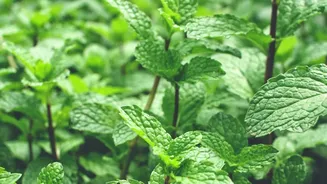
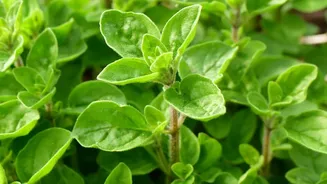
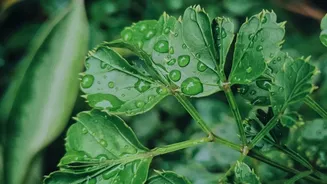
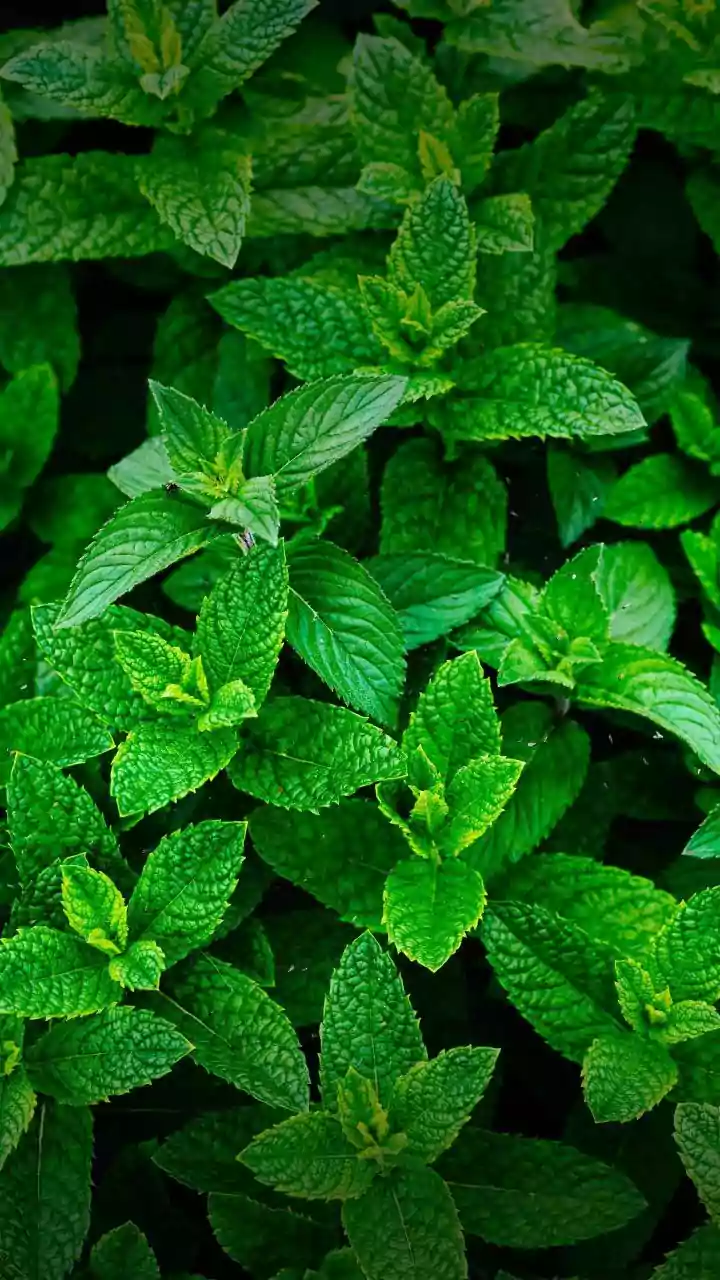
If there is one herb that embodies resilience, it is mint. This vigorous plant adores the moisture that the monsoon brings, often growing more lush and fragrant during these months. While many plants struggle with waterlogged soil, mint is more forgiving.
It thrives in pots and spreads quickly, making it a rewarding choice for beginners. Its ability to grow well even in partial shade is a significant advantage on overcast days. For the best results, plant it in a separate pot to prevent it from taking over your other herbs. Regular trimming will encourage a bushier, healthier plant. A few fresh leaves are perfect for brewing a hot cup of pudina chai, adding a refreshing twist to your favourite chutney, or simply providing relief from indigestion, a common concern during the rainy season.
Holy Basil (Tulsi)
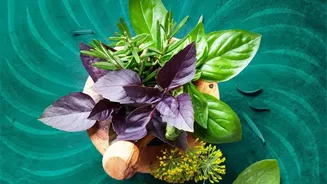
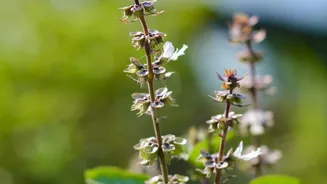
No Indian home garden feels complete without Tulsi, and for good reason. Revered as the "Queen of Herbs," it is incredibly hardy and well-suited to the monsoon climate. While it appreciates sunlight, it can manage with the filtered light of cloudy days. The key to keeping Tulsi happy during the monsoon is ensuring excellent drainage. Using terracotta pots, which are porous, or adding sand to your soil mix can prevent the roots from rotting in the damp conditions. Protect the plant from heavy downpours which can damage its leaves. Tulsi is renowned for its immunity-boosting properties, making it a valuable ally against the coughs and colds that are prevalent this time of year. Chewing on a few leaves or adding them to your morning tea is a simple way to stay healthy.
Lemongrass
Lemongrass is a tropical grass that truly comes into its own during the monsoon. It loves heat, humidity, and regular moisture, all of which are abundant during the Indian rainy season. This hardy plant forms a tall, elegant clump that can serve as both an ornamental and a culinary staple in your balcony garden. It's not demanding about soil, as long as it is well-drained. For container gardening, ensure your pot is large enough to accommodate its growth and won't tip over. The fresh, citrusy aroma of lemongrass is a delight, and its leaves can be used to brew a soothing, immunity-boosting tea. The stalks are a cornerstone of many Asian cuisines. Beyond its culinary uses, crushing the leaves can even help deter mosquitoes, a common pest during the rains.
Ginger (Adrak)
While technically a rhizome, ginger is grown and used like an herb and is an essential part of the Indian kitchen, especially during monsoon. Ginger loves warm, humid conditions and the consistent moisture provided by the rains. It thrives in partial shade, making it a perfect candidate for cultivation during the often-overcast monsoon months. To grow it, you can simply plant a plump piece of store-bought ginger with visible 'eyes' or buds. It is crucial to use a well-draining potting mix to avoid the rhizome from rotting. Harvesting your own fresh ginger is incredibly satisfying. A small piece grated into tea provides warmth and is a classic remedy for a sore throat, while its anti-inflammatory properties aid digestion.
Coriander (Dhania)
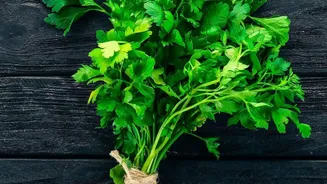
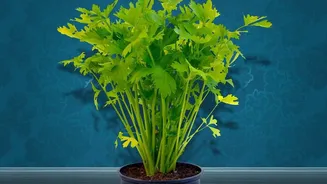
Growing coriander can be tricky in the intense heat of Indian summers, as the plant tends to 'bolt' or flower prematurely. However, the drop in temperature and overcast skies of the monsoon create a more favourable environment for this fragrant herb. It enjoys the cooler weather and can be grown successfully with a bit of care. The main challenge is protecting it from heavy rainfall, which can flatten its delicate stems. A simple solution is to place the pot in a sheltered spot on your balcony or use a shade net. Ensure the pot has excellent drainage. Growing coriander in cycles ensures a continuous supply of fresh leaves for garnishing curries, dals, and salads, bringing a burst of freshness to your monsoon meals.