


More Than Just a Hobby
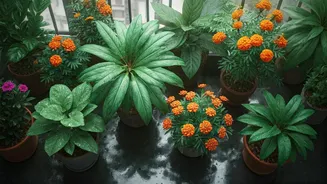
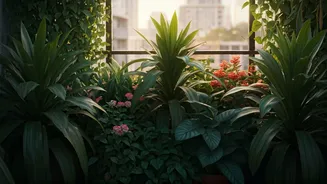
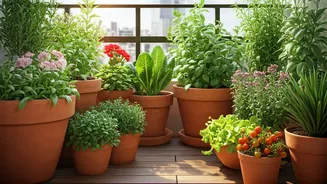
Look around any urban neighbourhood, and you’ll see it: pots of fiery marigolds, creeping vines of money plant, and the proud shoots of homegrown tomatoes. This isn't just about decoration. For a generation living in compact apartments, container gardening
is a powerful way to reconnect with nature, destress, and add a touch of sustainable living to a concrete world. The pandemic accelerated this trend, as more people sought solace and productivity at home. It became a tangible, rewarding activity in a time of uncertainty. Now, it’s a full-blown lifestyle statement, celebrated on social media where a thriving balcony garden is a sign of patience, care, and a certain kind of modern success.
Start with the Right Home
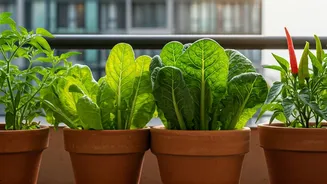
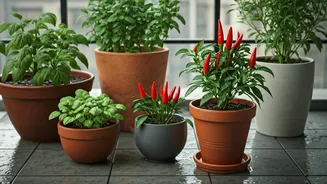
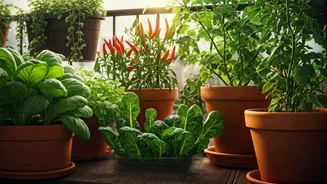
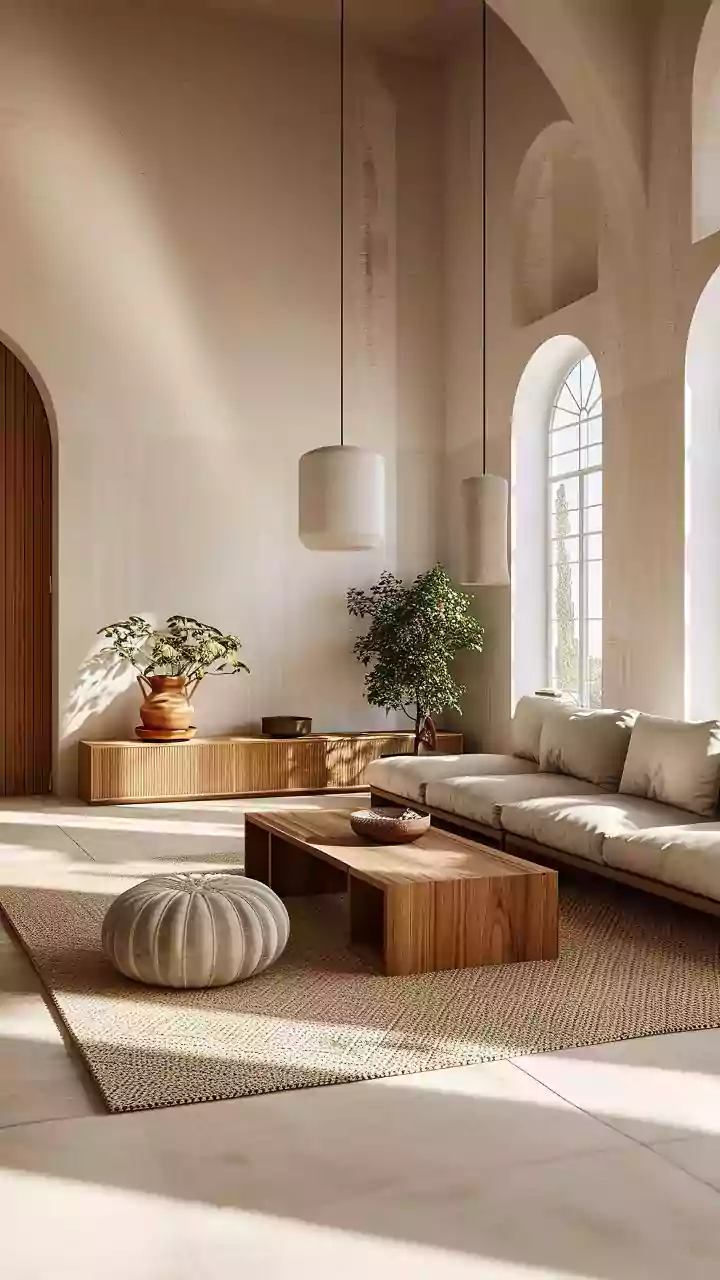
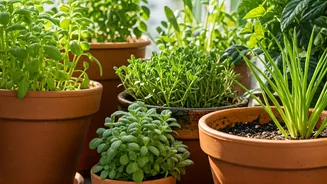
The 'container' in container gardening is your first big decision. You don’t need fancy, expensive pots to begin. The key is drainage. Any vessel, from classic terracotta pots and lightweight grow bags to recycled plastic bottles and old paint buckets, can work as long as it has holes at the bottom to let excess water escape. Terracotta is excellent as it's porous and allows roots to breathe, but it also dries out quickly in the harsh Indian summer. Plastic pots are lightweight and retain moisture longer but can heat up. Grow bags are a fantastic, space-saving option for vegetables. Think about your space: a few beautiful ceramic pots for the living room, a vertical stacker for a small balcony, or a simple railing planter for your window.
The Foundation: Soil and Sun
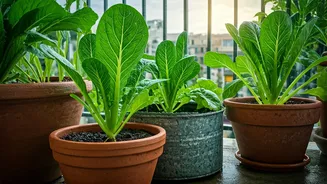
You can't just scoop up earth from a park. Garden soil is too dense and can carry pests and diseases. The secret to happy container plants is a good potting mix. You can buy pre-made mixes online or from a local nursery. A good basic recipe is equal parts red soil, cocopeat (for moisture retention and aeration), and compost or vermicompost (for nutrients). This combination provides drainage, holds moisture, and feeds your plants. Next, become a sun detective. Observe your chosen spot throughout the day. Does it get 5-6 hours of direct, harsh sunlight? It’s perfect for fruiting vegetables like tomatoes and chillies, and flowers like roses. Does it get only 2-3 hours of gentle morning sun? This is ideal for leafy greens, herbs like mint and coriander, and many indoor plants.
Your First Green Friends
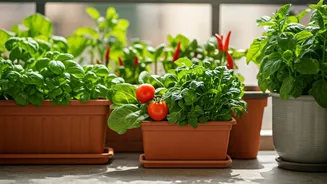
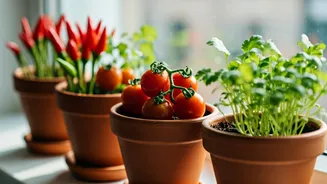
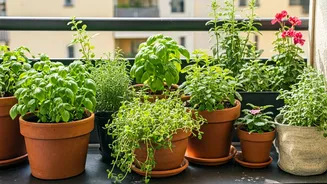
Don't try to grow everything at once. Start with plants known for being forgiving and rewarding. For an Indian home, nothing is easier or more useful than a pot of herbs. Tulsi is a must-have, thriving in sunny spots. Mint and ajwain (carom) are incredibly hardy and grow aggressively. A pot of green chillies or cherry tomatoes on a sunny windowsill can provide a small but thrilling harvest. When it comes to flowers, marigolds (genda) are tough, cheerful, and naturally repel pests. A simple money plant or syngonium can survive in lower light and are excellent for purifying indoor air. Starting with these easy wins will build your confidence for more ambitious projects.
Watering Wisdom and Basic Care
The most common mistake beginners make is overwatering. More plants die from too much water than too little. The rule of thumb is to check the soil. Stick your finger about an inch deep; if the soil feels dry, it's time to water. Water thoroughly until it drains from the bottom, then let the pot dry out slightly before watering again. Plants in terracotta pots will need more frequent watering than those in plastic. Also, keep an eye out for pests like mealybugs (small white cottony spots) and aphids. A simple spray of neem oil mixed with water and a drop of liquid soap is a great organic solution to keep most common pests at bay. Regularly removing dead leaves and flowers will also encourage new growth and keep your plants healthy.