






The Real-World Cost of Rising Fuel Prices
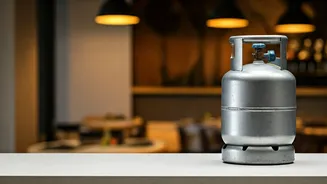
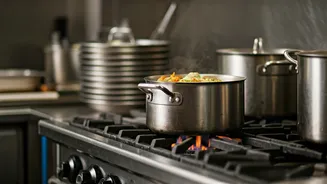
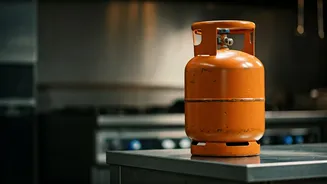
For India's sprawling network of cafes, restaurants, and eateries, the 19-kg commercial LPG cylinder is the lifeblood of the kitchen. It fuels the stoves that prepare everything from your morning chai to your evening meal. However, this essential commodity
has seen significant price volatility. Following supply chain disruptions and global energy price fluctuations, the cost of commercial LPG has surged multiple times in 2026. By the middle of the year, prices for a single cylinder had climbed dramatically, creating immense pressure on businesses that were already operating on thin margins. This isn't a minor adjustment; for many establishments, fuel accounts for a substantial portion of their operational costs, sometimes as high as 8-15%. When this core expense spikes, the financial strain is immediate and severe, forcing owners to make difficult decisions.
From Kitchen Cost to Customer Bill
Initially, many restaurant owners tried to absorb the rising costs to avoid alienating their customers, who are themselves battling inflation. However, as the price hikes persisted, absorption became unsustainable. This has led to a visible shift in how cafes and restaurants are pricing their offerings. Some establishments have opted for straightforward menu price increases of 10-15%. Others have taken a more direct, and sometimes controversial, approach by adding specific surcharges to customer bills. In cities like Chennai and Bengaluru, diners began noticing new line items on their receipts with labels like “LPG revision,” “gas supply issue,” or a general “fuel surcharge”. This practice became so widespread that India’s consumer watchdog, the Central Consumer Protection Authority (CCPA), had to step in, directing restaurants to stop adding such separate fees and instead incorporate operational costs into the main menu prices to ensure transparency.
Small Cafes Bear the Brunt
The impact of the LPG price surge is not felt equally across the industry. While large, established restaurant chains may have the financial cushion to negotiate bulk deals, invest in alternative energy sources, or absorb costs temporarily, smaller independent cafes and roadside eateries are disproportionately affected. These small businesses often lack the capital to switch to more stable energy sources like Piped Natural Gas (PNG) or invest in energy-efficient induction cooktops. For them, a steep rise in the price of a gas cylinder can be the difference between staying open and shutting down. Some have been forced to temporarily remove gas-intensive items like dosas and rotis from their menus, while others have had to reduce portion sizes or operating hours to survive.
What This Means for Your Wallet
Ultimately, the numbers on a cafe menu are a direct reflection of the broader economy. The rising cost of dining out is a form of “hidden inflation” that directly impacts the household budget. Even without changes to domestic LPG prices, the commercial price hikes affect the cost of all food prepared outside the home. As restaurateurs balance their own rising costs—from fuel and ingredients to rent and labour—the price of your cappuccino, samosa, or thali will inevitably adjust. This trend forces consumers to be more selective about dining out, potentially cutting back on frequency or choosing more affordable options. The menu has become more than just a list of food; it's a real-time indicator of the economic pressures facing thousands of small businesses across the country and a sign that the cost of living is being felt in every corner of daily life.