





A Battlefield Game-Changer
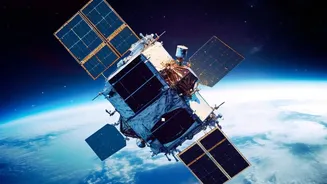
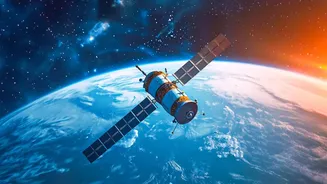
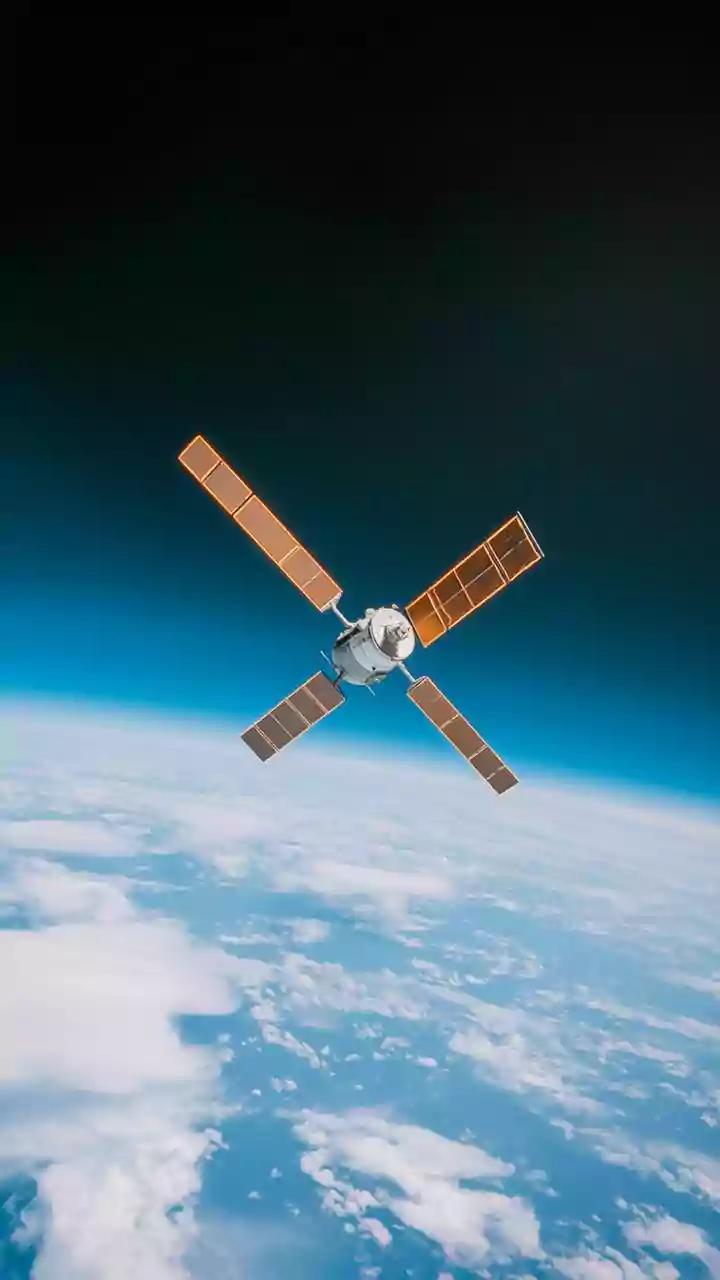
Since the early days of Russia's full-scale invasion in 2022, Starlink has been indispensable for Ukraine. When Russian attacks degraded or destroyed conventional communication networks, SpaceX's satellite internet system provided a vital link for the Ukrainian
military, government, and civilians. It enabled troops to stay connected, coordinate defensive operations, and guide drones for reconnaissance and strikes, fundamentally altering battlefield dynamics. Its role was so critical that officials have called it a 'vital layer' in Ukraine's overall communications network. Initially provided as a donation by Elon Musk's SpaceX, the service is now funded under a contract with the U.S. Department of Defense.
The Controversial Red Lines
The core of the recent controversy lies in new restrictions placed on Starlink and its military-grade counterpart, Starshield. Ukrainian officials reported a sudden speed cap was imposed, cutting the connection for terminals moving faster than approximately 161 kilometres per hour (100 mph). This directly impacts some of Ukraine's most effective military assets: fast-moving interceptor drones used to shoot down Russian jet-powered Shahed drones, which can travel at much higher speeds. President Zelenskyy confirmed these restrictions have disrupted critical missions and made it impossible to use certain systems to defend against drone attacks. The reason for the restrictions remains contested, with Elon Musk stating that decisions for the military-grade Starshield are ultimately controlled by the U.S. government.
Zelenskyy on 'Critical Reliance'
Ukrainian President Volodymyr Zelenskyy has been vocal about the grave implications of these restrictions. In recent statements, he has warned that the decision could lead to 'a lot of human losses' by hampering Ukraine's ability to defend its airspace. To determine if the issue was technical or targeted, Ukraine conducted tests by driving vehicles with Starlink terminals in EU countries and into Ukraine. According to Zelenskyy, the systems worked at high speeds in the EU but cut out upon entering Ukraine, leading him to call it a 'planned operation' specifically targeting his country. He has accused SpaceX of deliberately throttling the service and has noted the company stopped responding to inquiries from Ukraine's Defense Ministry. In an interview, he appealed directly for the service to be restored, framing it as a matter of fairness between partners.
Washington's Opaque Role
The involvement of the U.S. government adds another layer of complexity. Since the Pentagon took over the contract for providing Starlink services to Ukraine, the lines of control have blurred. Elon Musk has stated that Starshield, the military version, is owned and controlled by the U.S. government, and any limits are decided by the U.S. military and president. However, President Donald Trump has denied ordering any limitations. President Zelenskyy, meanwhile, has stated that the message to limit the speed came from the American government, though he did not specify which part of it. This ambiguity has fueled tensions, with Ukraine caught between the policies of a private company and the geopolitical considerations of its most powerful ally.
Private Tech in Modern Warfare
The situation exposes a broader, 21st-century reality: the immense power a single private company can wield in an international conflict. Ukraine's heavy reliance on Starlink, while initially a massive advantage, has created a significant strategic vulnerability. The episode has sparked a global conversation about the role of commercial technology in national security. When a country's ability to defend itself depends on a service controlled by a foreign company and its CEO, it raises profound questions about sovereignty and the future of warfare. The Starlink-Ukraine saga serves as a crucial case study for how dependent modern militaries are becoming on commercial infrastructure that exists outside their direct control.