




A Shift Towards Authenticity
There’s a growing movement away from interiors that feel interchangeable, whether in Mumbai or Milan. Homeowners are increasingly seeking spaces that tell a personal and cultural story. This has sparked a renewed appreciation for local craftsmanship,
not as a nostalgic nod to the past, but as a vital element of contemporary living. The trend, sometimes called 'Artisan Maximalism' or 'Modern-Heritage', is about choosing handmade over mass-produced, and supporting artisan communities from across India. This shift is driven by a desire for sustainability, using natural, locally sourced materials, and a need for homes that feel both rooted and globally relevant.
Textiles and Patterns Reimagined
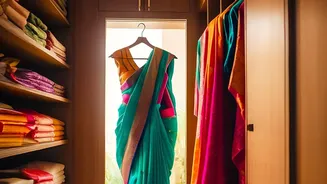
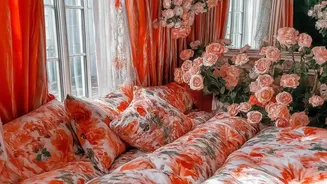
One of the most accessible ways this trend comes to life is through textiles. Instead of being confined to traditional spaces, handwoven fabrics are being used in fresh, modern ways. Imagine a minimalist sofa brought to life with vibrant, hand-embroidered Kantha or Ikat cushions, or a stark wall transformed into a focal point with a large block-printed tapestry. Designers are pairing deep, traditional hues like maroon and mustard yellow with neutral modern palettes of grey and beige to create a striking yet balanced contrast. Patterns like paisleys and florals are used as thoughtful accents on table runners or single pieces of upholstery, adding a layer of intricacy without overwhelming a clean, modern aesthetic.
Structural Crafts Find a New Language
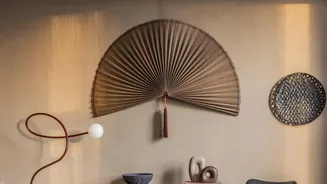
This movement goes far beyond soft furnishings. Traditional architectural and surface crafts are being integrated directly into the bones of modern homes. An old, intricately carved wooden door might be repurposed as a stunning headboard or a statement piece of wall art. Crafts like Thikri (mirror mosaic work from Rajasthan) are appearing on contemporary cabinet faces and accent walls, catching light in unexpected ways. Terracotta, once seen mainly in pots, is experiencing a renaissance, now used for textured walls, lamp bases, and even sculptural furniture, bringing an earthy warmth to urban apartments. Design studios are also reviving lesser-known crafts like Bidri metal inlay and Tarkashi (brass wire inlay in wood) for contemporary furniture, giving these age-old techniques a new, global relevance.
The Art of Curation
The key to successfully blending these two worlds is restraint and thoughtful curation. The goal is not to create a museum-like space cluttered with artifacts, but to choose a few statement pieces that are given room to breathe. A single, beautifully crafted brass sculpture on a sleek console table, or a vintage wooden chest paired with a modern mirror, can become an instant conversation starter. The approach is about balance: pairing a traditional texture like raw wood or brass with smooth, modern materials like glass and steel creates a harmonious contrast. By focusing on a few high-impact items, homeowners can ensure that the traditional elements anchor the space with soul and history, while the modern framework keeps it functional and uncluttered.