




As December approaches, the hills of Nagaland prepare for a riot of colour, music, and tradition. The Hornbill Festival 2026, a spectacular ten-day event, is poised to bring together the state's diverse tribes in a grand cultural showcase.
The Festival of Festivals
The Hornbill
Festival is scheduled from December 1st to 10th, 2026, at the Naga Heritage Village in Kisama, about 12 kilometres from the state capital, Kohima. Started in the year 2000 by the Nagaland government, the event was created to foster inter-tribal interaction and preserve the rich, diverse heritage of its people. Often called the 'Festival of Festivals', it consolidates the various traditional celebrations of Nagaland's 16 major tribes into a single, magnificent event. Named after the revered hornbill bird, a symbol of grandeur in Naga folklore, the festival has become a cornerstone of India's cultural calendar, drawing visitors from around the globe.
A Symphony of Sight and Sound
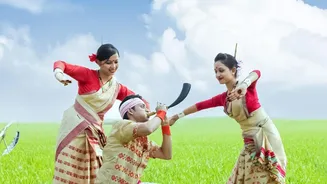
The heart of the festival beats in the main arena, where cultural troupes from each tribe perform in a breathtaking sequence. Mornings are filled with the sounds of log drums and warrior chants that echo through the hills. Visitors can witness a stunning variety of folk dances and songs, each telling stories of history, rituals, and community life. Performances range from the energetic war dances of the Konyak, reflecting their martial history, to the graceful movements of other tribes, all performed in full traditional regalia of elaborate headdresses, feathered crests, and vibrant attire. The daily schedule changes, offering a unique experience each day and culminating in a powerful 'unity dance' where all tribes perform together.
Exploring the Tribal Morungs
One of the most immersive experiences is visiting the morungs, which are traditional Naga youth dormitories. Each of the 16 major tribes has a dedicated morung constructed in its unique architectural style at the Kisama Heritage Village. These structures serve as living museums, offering a direct window into the customs and daily lives of the communities. Inside, elders sit by the fire, demonstrate weaving, and share stories, often offering visitors a taste of 'zutho', a local rice beer. This is where the festival becomes more personal, allowing for genuine interaction away from the grand stage performances.
A Showcase of Naga Craftsmanship
For those interested in art and souvenirs, the craft bazaar is a treasure trove. Artisans from across the state gather to sell their handmade products directly to visitors. The stalls feature an impressive array of items, including handwoven Naga shawls with their tribe-specific patterns, intricate bead and bone jewellery, bamboo and cane products, and masterful wood carvings. Last year's festival pavilion featured over 130 stalls, showcasing everything from traditional textiles and pottery to contemporary fusion wear, highlighting the skill passed down through generations. It’s an excellent opportunity to purchase authentic Naga handicrafts and support local artisans.
Beyond the Arena: Food and Festivities
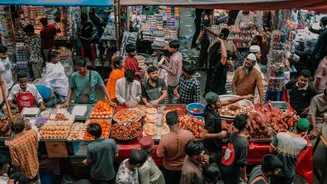
The festival experience extends far beyond the main stage. Food is a major highlight, with stalls in the morungs and dedicated food courts serving regional specialities. Visitors can sample dishes like smoked pork with bamboo shoot, axone (fermented soybean), and dishes spiced with the famously fiery Naga King Chilli. In the evenings, the action shifts to Kohima, which hosts a bustling Night Carnival with street food, music, and more shopping. For music lovers, the Hornbill International Music Festival and Rock Contest, one of India's oldest battle-of-thend bands, offers nightly concerts featuring local, national, and international acts.