






Decoding 'Zone 2' Training
You’ve likely heard the term, but what exactly is Zone 2? In simple terms, it’s exercising at a low-to-moderate intensity, typically around 60-70% of your maximum heart rate. Think of it as a “conversational pace”—an effort level where you can hold a full
conversation without gasping for breath. This isn't a high-octane, sweat-dripping sprint; it's a steady, sustainable effort that you can maintain for an extended period, like 30 minutes or more. The magic of Zone 2 is what happens inside your body at this intensity. Your system becomes incredibly efficient at using fat for fuel, which is key for building endurance. It also stimulates the growth of mitochondria, the powerhouses of your cells, making your body better at producing energy for all activities.
The Rower's Low-Impact Advantage
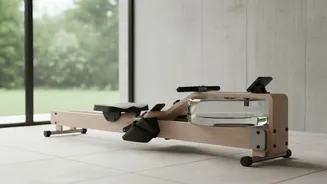
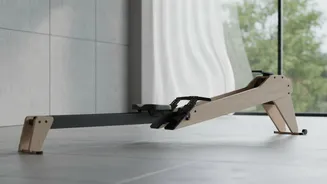
Any cardio machine can be used for Zone 2 training, but the rowing machine offers unique advantages, especially for injury prevention. Rowing is a full-body workout that engages over 80% of your muscles—including your legs, core, back, and arms—in a single, fluid motion. This distributes the workload evenly across your body, preventing any single joint from taking too much strain. Unlike high-impact activities like running, rowing puts minimal stress on your joints, particularly your knees and ankles. This makes it an ideal choice for people of all fitness levels, including those recovering from injury or managing chronic joint pain. The controlled movement strengthens the muscles that support your joints, promoting greater stability and mobility over time.
Connecting the Dots to Injury Prevention
The combination of Zone 2’s low intensity and rowing’s low-impact nature creates a powerful formula for reducing injury risk. Many common training injuries are caused by overuse or excessive strain from high-impact or high-intensity workouts. Steady-state rowing avoids this by building a strong aerobic foundation without constantly pushing your body to its breaking point. It improves cardiovascular health, increases capillary density for better blood flow, and strengthens the heart muscle, all without the wear and tear of more punishing routines. By making Zone 2 a significant part of a training plan, gym-goers can build resilience and recover faster, which reduces the likelihood of overuse injuries and allows for more consistent training in the long run.
A Cultural Shift Toward Longevity
The growing popularity of Zone 2 training reflects a broader shift in fitness culture. More people and trainers are moving away from a mindset focused exclusively on high intensity and are instead prioritizing longevity, consistency, and overall health. They are recognizing that building a durable, injury-free body is more valuable than setting personal bests in every session. Low-Intensity Steady-State (LISS) training, which includes Zone 2 rowing, allows for active recovery, helps manage stress by reducing cortisol levels, and is more accessible for beginners. This approach doesn't mean high-intensity training is obsolete; rather, it suggests that a strong aerobic base built through Zone 2 work is the necessary foundation upon which all higher-intensity efforts should be built.
Getting Started with Zone 2 Rowing
Ready to give it a try? First, estimate your Zone 2 heart rate. A simple method is to calculate your maximum heart rate (roughly 220 minus your age) and then find 60-70% of that number. For example, a 40-year-old has an estimated max heart rate of 180, so their Zone 2 would be between 108 and 126 beats per minute. However, the 'talk test' is often the most practical guide: row at a pace where you can comfortably speak in full sentences. Aim for two to three sessions per week, starting with 20-30 minutes and gradually increasing the duration. Focus on maintaining proper form to protect your back and get the full-body benefits. If you're unsure, ask a trainer at your gym to review your technique.