






Before You Leave Home
A safe journey begins before you even step out the door. The most frustrating commute is one that starts with an unpleasant surprise, like discovering your train is cancelled only after reaching the station. Before leaving, check the latest weather forecasts
from the India Meteorological Department (IMD). They issue specific colour-coded alerts (red, orange) for heavy rainfall, which often signal potential disruptions. Also, check the high tide schedule released by the Brihanmumbai Municipal Corporation (BMC). Heavy rain combined with a high tide significantly increases the chances of waterlogging in low-lying areas. Several mobile apps like the official 'Disaster Management BMC' app, m-Indicator, and Windy can provide real-time updates on train delays, traffic diversions, and weather patterns, helping you decide if your journey is necessary or can be postponed.
Choosing the Right Mode of Transport
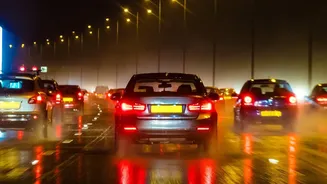
Mumbai's transport network operates differently under the strain of heavy rain. Local trains, the city's lifeline, often experience delays of 15-20 minutes or more due to water on the tracks, especially near known trouble spots like Sion, Andheri, and Kurla. While the metro system is often a reliable alternative, some stations with sloped entries have faced waterlogging issues in the past. BEST buses are a stalwart option, though they are subject to road traffic and diversions. If you opt for taxis or auto-rickshaws, be prepared for surge pricing and potential refusals to ply to waterlogged destinations. Driving a personal vehicle offers independence but comes with its own risks, including navigating submerged roads, slick conditions, and immense traffic jams. If you must drive, ensure your car is serviced and you know alternate routes.
Navigating Waterlogged Streets
Wading through floodwater is one of the biggest risks during the Mumbai monsoon. These waters can hide open manholes, sharp debris, and broken pavement, turning a simple shortcut into a serious hazard. The BMC has identified numerous chronic waterlogging hotspots across the city, including areas like Hindmata, King's Circle, and various subways in Andheri, Malad, and Kandivali. South Mumbai locations like Crawford Market, Churchgate, and Ballard Estate have also become prone to flooding. If a road is flooded, it is always safer to find an alternate route. If you must walk through water, do so with extreme caution. Health risks also increase, as stagnant water can lead to infections. It's advisable to avoid street food during periods of heavy waterlogging to prevent water-borne illnesses.
Pack a Monsoon Survival Kit
A small, well-stocked bag can be a lifesaver when your commute is unexpectedly extended. Your kit should be practical and lightweight. Start with a sturdy raincoat or poncho and an umbrella with firm stretchers that can withstand gusty winds. For footwear, rubber-soled, open-toed sandals or floaters are a better choice than absorbent sports shoes or easily damaged leather. Pack a change of dry clothes and socks in a waterproof bag. Your most critical items are a fully charged power bank and a waterproof pouch for your phone, which serves as your map, communication device, and source of information. Also include a small towel, hand sanitiser, any essential personal medications, and some non-perishable snacks and a bottle of water.
Key Helplines and Resources
In an emergency, knowing who to call is crucial. Save these numbers in your phone and consider keeping a physical copy in your monsoon kit. The primary city-wide disaster management helpline managed by the BMC is 1916. For police assistance, dial 100. For traffic-specific updates or issues, the Mumbai Traffic Police has a WhatsApp helpline at +91-8454999999. The Central Railway and Western Railway also have their own control room numbers for train-specific emergencies. The state's disaster management control room can be reached at 022-22027990. Having these contacts readily available ensures you can quickly seek help or report a problem, whether you're stranded, witness an accident, or need assistance for someone else.