





1. Go Native, Go Local
The foundation of any true eco-garden is its plant selection. For years, the trend was to chase exotic, foreign plants. The modern approach is to embrace the beauty and resilience of India’s native flora. Plants like marigold (genda), hibiscus (gudhal),
jasmine (mogra), tulsi, and curry leaf trees are not just culturally significant; they are genetically programmed to thrive in our specific climate, soil, and rainfall patterns. This means they require less water, fewer pesticides, and less fuss overall. Choosing native species is the single most impactful step you can take. They provide the right kind of food and shelter for local birds and insects, turning your garden into a vital part of the local food web instead of a green, sterile island.
2. Water-Wise Is the Only Way
In a country where water is a precious resource, a thirsty garden is an unsustainable one. The desirable eco-garden is designed for water intelligence. This starts with grouping plants with similar water needs together, so you aren’t overwatering a drought-tolerant plant to keep its neighbour happy. The next step is mulching. Applying a layer of organic material like dried leaves, wood chips, or sugarcane bagasse over the soil works wonders. It reduces water evaporation, suppresses weeds, and enriches the soil as it breaks down. Finally, water smarter, not harder. Water early in the morning to minimise evaporation and allow leaves to dry, preventing fungal diseases. A drip irrigation system, even a simple DIY one for pots, can deliver water directly to the roots, cutting water use by up to 70%.
3. Create a Pollinator Paradise
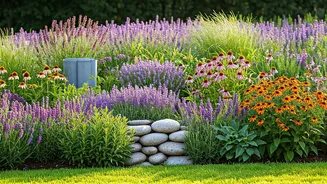
A silent garden is a warning sign. A buzzing, fluttering garden is a sign of health. Bees, butterflies, moths, and birds are the unsung heroes of our ecosystem, and a modern eco-garden is built to welcome them. This means planting a variety of flowers that bloom at different times of the year, providing a continuous food source. Prioritise single-petal flowers over complex, multi-layered hybrids, as their pollen and nectar are more accessible. Flowers like cosmos, sunflowers, and verbena are magnets for butterflies. Don’t forget to provide a shallow dish of water with some pebbles or marbles for insects to land on and drink safely. This small act can be a lifesaver for pollinators on a hot day.
4. Turn Waste into ‘Black Gold’
The eco-garden operates on a closed-loop system, and composting is its engine. Sending kitchen scraps to a landfill creates methane, a potent greenhouse gas. Composting them at home turns this ‘waste’ into ‘black gold’—a nutrient-rich soil amendment that eliminates the need for chemical fertilisers. For apartment dwellers, a compact khamba or bokashi bin can process vegetable peels, coffee grounds, and eggshells with no smell and minimal effort. For those with more space, a simple pile or vermicompost (worm composting) system can handle larger volumes. Using homemade compost enriches your soil with essential microbes, improves its structure, and helps it retain moisture, creating a robust foundation for healthy plants.
5. Ditch the Chemicals, Naturally
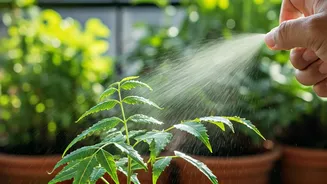
A garden teeming with life doesn't need synthetic pesticides and fertilisers. These chemicals harm beneficial insects, contaminate soil and water, and can pose risks to your family and pets. The eco-garden way is to embrace Integrated Pest Management (IPM). This starts with building healthy soil and choosing resilient plants. When pests do appear, reach for natural solutions first. A simple spray of neem oil solution can deter many common pests. Planting garlic, onion, or marigolds among your vegetables can also repel certain insects. Encourage natural predators like ladybugs and spiders, which will happily take care of aphids for you. A healthy ecosystem manages itself.