


Escaping the City's Glow
For millions of Indians, the night sky is no longer a canopy of constellations but an orange-tinged haze. Light pollution has effectively erased the stars from our daily lives. Astrotourism, or night-sky tourism, is a direct response to this loss. It's
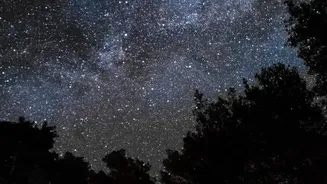
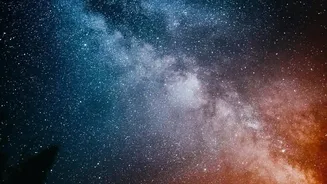
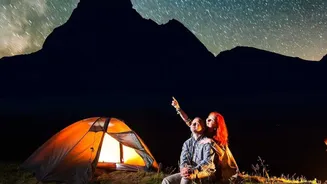
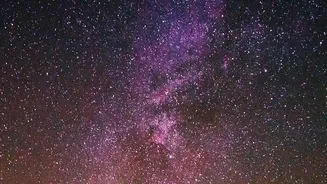
the simple, compelling idea of travelling to a location with minimal artificial light to witness the night sky in its full, unobscured glory. This isn't just about spotting planets; it's about rediscovering a fundamental part of our environment that has been lost to urbanisation. For nature lovers, it represents a new frontier. After a day spent hiking through forests or mountains, the experience now extends into the night, swapping the campfire for a blanket of stars.
A Deeper Connection to the Wild
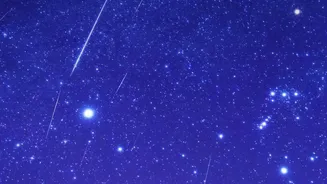
Nature lovers have always sought solace and connection in the wild, but night-sky tourism adds a cosmic dimension to this pursuit. Observing the Milky Way arch across a silent desert or watching a meteor shower over a remote mountain lake fosters a powerful sense of awe. This feeling of being part of something vast and ancient can be a deeply moving experience, putting everyday worries into perspective. It complements traditional nature activities perfectly. The same remote, undeveloped locations that offer pristine landscapes by day are the ones that boast the darkest skies by night. This synergy allows travellers to immerse themselves in nature 24/7, experiencing the rhythm of the wild from sunrise to star-rise.
India's Celestial Sanctuaries
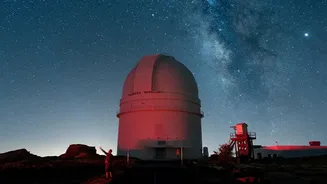
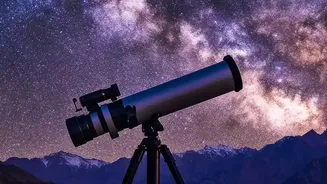
India, with its diverse geography, is home to some spectacular stargazing destinations. The undisputed crown jewel is Hanle in Ladakh, the site of India's first official Dark Sky Reserve. Situated at a high altitude within the Changthang Wildlife Sanctuary, its dry, clear air and near-zero light pollution provide some of the best observation conditions in Asia. But the options don't end there. The high-altitude deserts of Spiti Valley in Himachal Pradesh offer similarly breathtaking views. The vast salt flats of the Rann of Kutch in Gujarat create a surreal landscape where the sky feels endless. In the south, the hills of Coorg in Karnataka and observatories in Kodaikanal provide dark-sky havens away from the city bustle. Even locations closer to urban centres, like Sariska in Rajasthan, are emerging as accessible astro-resorts.
The Universe as a Wellness Retreat
The appeal of stargazing goes beyond just pretty views; it's increasingly seen as a form of wellness. In a world of constant digital noise, a night under the stars is an enforced digital detox. It encourages mindfulness and being present in the moment. Studies and anecdotal reports suggest that the awe inspired by stargazing can reduce stress, boost creativity, and promote feelings of connection and gratitude. It's a meditative experience that calms the mind and helps regulate sleep patterns by reconnecting us with natural light cycles. For many, it's a chance to disconnect from the chaos of modern life and reconnect with a sense of peace and wonder.
How to Begin Your Cosmic Journey
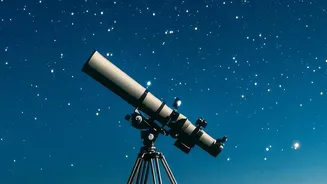
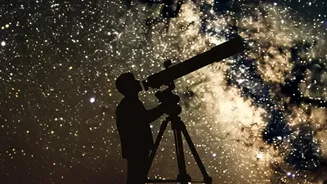
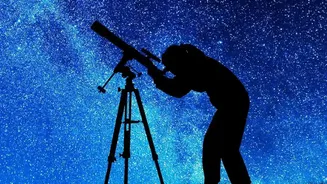
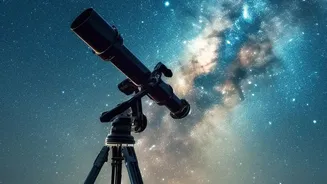
Getting started with astrotourism is more accessible than ever. For the adventurous, a DIY trip to a known dark-sky location like Spiti or Ladakh is a rewarding option, though it requires planning for accommodation and acclimatisation. For those seeking a more guided experience, a growing number of companies across India offer curated stargazing trips. These tours often include stays at eco-friendly resorts, access to powerful telescopes, and guidance from trained astronomers who can decode the cosmos for you. From identifying constellations and planets to learning the basics of astrophotography, these organised trips provide an educational and hassle-free way to dive into the world of stargazing. Many local communities, like in Hanle, now have trained astronomy guides, ensuring that tourism benefits the local economy sustainably.