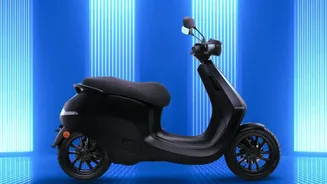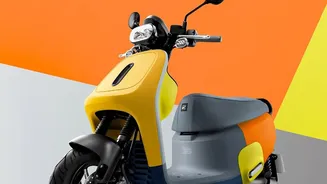


The Current Cost Culprit: Lithium-Ion Batteries
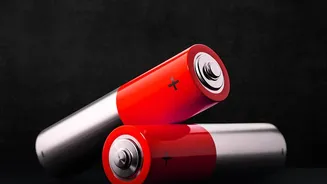
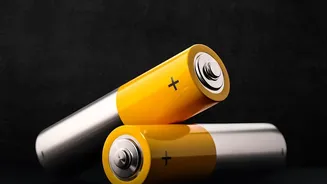
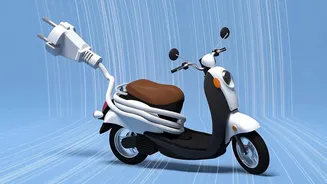
Today’s electric scooters predominantly run on lithium-ion batteries. This is the same proven technology that powers your smartphone and laptop. Over the years, massive global production has made these batteries more affordable, but they have inherent
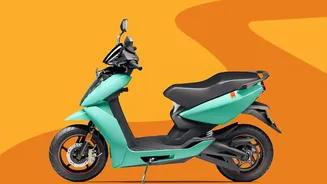
costs that are difficult to design around. The battery pack in an electric scooter can account for 40-50% of its total cost. This isn't just for the battery cells themselves. Lithium-ion batteries use a liquid electrolyte, which can be flammable. To manage the risk of overheating and fires, manufacturers must build complex and costly safety systems, including cooling mechanisms and sophisticated electronic monitoring. These essential safety features add weight, complexity, and, most importantly, cost to the final vehicle.
Enter the Game-Changer: Solid-State Batteries
A solid-state battery, at its core, does the same job as a lithium-ion one but replaces the flammable liquid electrolyte with a solid material, such as a thin layer of ceramic or a specialized polymer. This might sound like a small change, but it has massive implications for safety, performance, and cost. By removing the volatile liquid, the risk of fire is virtually eliminated. This fundamental shift allows engineers to completely rethink how a battery pack is designed. It opens the door to a simpler, lighter, and ultimately cheaper component that could dramatically lower the showroom price of an electric scooter.
The Three-Pronged Path to a Lower Price Tag
While solid-state cells are currently more expensive to produce in labs than their lithium-ion counterparts, the path to a lower retail price for scooters comes from three key areas. First is the simplification of the battery pack. With a far lower fire risk, the need for heavy, expensive cooling systems and bulky protective casings is greatly reduced. This not only cuts down on component costs but also makes the entire scooter lighter. Second is the potential for cheaper raw materials. Solid-state designs can use energy-dense metallic lithium instead of graphite for the anode and may reduce or even eliminate the need for costly and ethically-complex metals like cobalt. Third, and most crucially, is economies of scale. Just as the price of lithium-ion batteries plummeted over the last two decades due to mass manufacturing, the same is expected to happen with solid-state technology once production lines ramp up. Projections suggest costs could reach parity with lithium-ion batteries within a decade.
More Than Just Price: Better Range and Faster Charging
The benefits of solid-state technology extend far beyond the initial purchase price. One of its most exciting promises is a massive leap in energy density. This means a solid-state battery can store significantly more energy in the same amount of space—or provide the same range from a much smaller and lighter pack. For a scooter rider, this could translate to a range of 400 kilometres or more on a single charge, eliminating range anxiety for all but the longest of trips. Furthermore, the technology promises radically faster charging speeds. Prototypes have demonstrated the ability to gain over 100 kilometres of range in just a few minutes of charging, a speed that begins to rival the time it takes to fill a petrol tank.
The Road Ahead: When Will We See This Change?
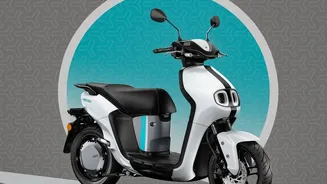
This transformative technology won't appear in showrooms overnight. Solid-state batteries are still in the advanced development and early pilot stages. Major battery manufacturers are targeting the 2027-2028 timeframe for initial, small-scale production, with mass-market availability in affordable vehicles likely to follow closer to 2030. For India, which has a rapidly growing electric vehicle market, the transition is a matter of when, not if. As domestic and international players continue to invest in the technology, the first wave of electric scooters powered by solid-state batteries will likely be premium models, with more affordable options following as production scales.