

The Science of a Perfect Fry
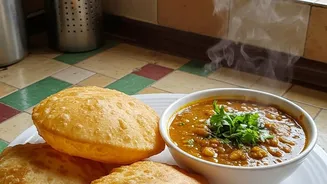
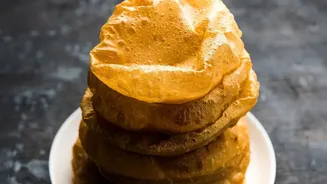
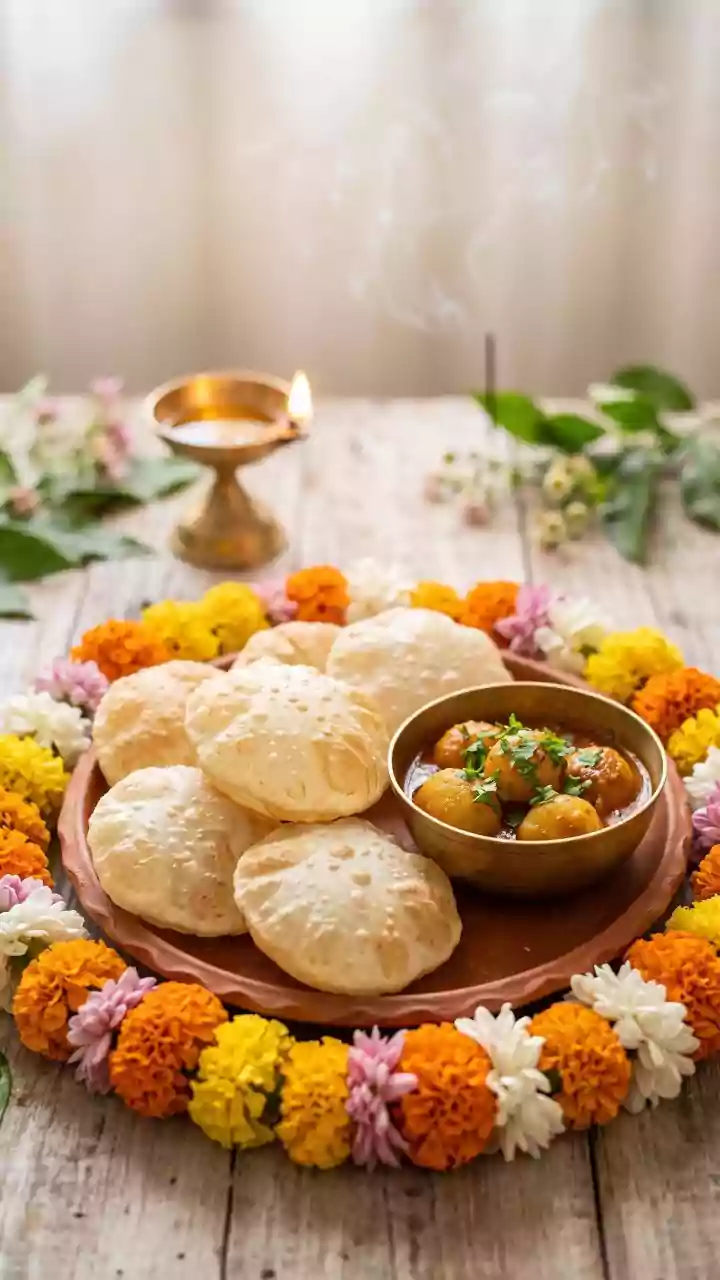
The magic of frying lies in a rapid exchange between water and oil. When a puri hits hot oil, the moisture in the dough instantly turns to steam. This steam pushes outwards from the puri, creating pressure that inflates it into a beautiful sphere. Crucially,
this outward pressure also acts as a barrier, preventing oil from seeping into the dough during the initial cooking phase. However, if the oil isn't hot enough, this process falters. Instead of a quick vaporisation, the dough languishes in the warm oil, absorbing it like a sponge before it has a chance to cook and create that protective steam shield. This is why puris fried at a lower temperature often turn out flat, dense, and greasy. The goal is to cook the puri so quickly that its surface seals, trapping the steam inside to puff it up while keeping most of the oil out.
Finding the Goldilocks Temperature
The ideal temperature for frying puris is between 180°C and 200°C (350°F to 400°F). Too cool, and they soak up oil; too hot, and they burn on the outside before cooking through, leading to dark, overly crisp results. You don’t need a special thermometer to get it right. The classic test is to drop a tiny piece of dough into the heated oil. If it sizzles and rises to the surface immediately, your oil is ready. If it sinks and stays at the bottom, the oil is too cold. If it turns dark brown in seconds, the oil is too hot, and you should lower the flame for a moment to let it cool slightly before proceeding. Maintaining this steady medium-high heat is essential, especially when frying in batches, as adding puris will naturally lower the oil's temperature.
Technique for Fluffy, Less-Oily Puris
Once your oil is at the perfect temperature, the frying process is swift. Gently slide a rolled-out puri into the hot oil. As it rises to the surface, use a slotted spoon to lightly press it down into the oil. This gentle pressure encourages it to puff up evenly. Once it inflates, fry for about 20-30 seconds until the bottom is golden. Flip it over and cook the other side for a similar amount of time. Avoid flipping the puri repeatedly, as this can increase oil absorption. Once both sides are golden, remove it with the slotted spoon, allowing excess oil to drip back into the pan before placing it on a paper towel or a wire rack to drain.
The Dough Also Makes a Difference
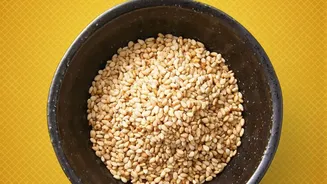
While temperature is the star player, the supporting cast—your dough—is just as important. For perfect puris, the dough should be firm and smooth, not soft and sticky like chapati dough. A softer dough is more prone to absorbing oil. Many cooks recommend adding a tablespoon or two of fine semolina (sooji) to the wheat flour. Semolina adds a slight crispness to the final texture and is believed to help reduce oil absorption. Another key tip is to avoid dusting the puris with dry flour when rolling them out. Excess flour particles can burn in the hot oil, not only making the oil dirty but also contributing to a greasy feel on the finished puris. Instead, lightly grease your rolling surface and pin with a drop of oil to prevent sticking.
Common Mistakes to Avoid
Beyond temperature, a few other habits can lead to oily puris. The first is overcrowding the pan. Frying too many puris at once will cause the oil temperature to drop significantly, leading to the dreaded oil-soaking effect. Fry in small batches to maintain consistent heat. Another common error is using old or refrigerated dough. Freshly kneaded dough that has rested for a short period (around 15-20 minutes) yields the best results; dough that has been stored for a long time or chilled tends to absorb more oil and won't puff up as effectively. Finally, a surprising fact from scientific studies is that a significant amount of oil absorption happens not during frying, but immediately after, as the puri cools and the pressure inside drops, creating a suction effect. Working quickly and letting puris drain properly is a small but vital final step.