




Beyond the Pretty Picture
Canada’s most iconic tourist destinations have long been marketed on their sheer beauty and recreational appeal. They are places for awe-inspiring photos, family vacations, and a sense of connection to a vast, pristine wilderness. Yet, a growing movement
is looking past the picturesque facade to uncover more complex and often troubling stories. This critical re-examination questions the environmental cost of mass tourism and confronts the colonial legacy that erased Indigenous peoples from these landscapes. The conversation is shifting from simply 'what a beautiful view' to 'what is the full story of this place?'
The Crowded Rockies
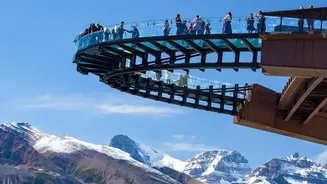
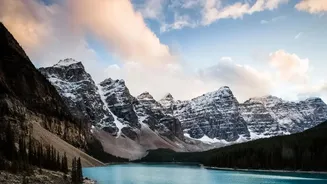
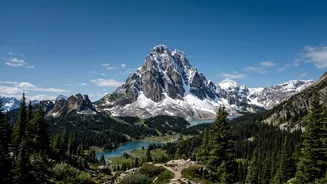
Banff National Park, Canada's oldest and most famous national park, is a prime example of this tension. Welcoming over four million visitors annually, the park is grappling with what many now call 'overtourism'. The sheer volume of traffic and visitors creates significant environmental strain, contributing to air pollution, habitat disruption for wildlife, and the degradation of ecologically sensitive areas. Beyond the ecological concerns, there is a growing awareness of the park’s origins. The creation of national parks in the Rockies involved the displacement of Indigenous communities who had lived there for millennia, effectively erasing their presence to create a 'pristine' wilderness for settlers and tourists. Today, initiatives are emerging to re-incorporate Indigenous perspectives, but the challenge of balancing conservation, tourism, and historical reconciliation remains immense.
An Atlantic Fishing Village Under Siege
On the opposite coast, the tiny fishing village of Peggy’s Cove in Nova Scotia faces a different kind of pressure. With its iconic lighthouse and rugged granite shoreline, it attracts over 700,000 visitors a year, creating immense logistical challenges for a community with fewer than 50 permanent residents. For decades, locals have worried about their home being transformed into a chaotic 'tourist trap', where the authentic life of a working fishing village is overshadowed by souvenir shops and tour buses. Recent infrastructure projects, like a new accessible viewing deck, aim to improve safety and manage crowds, but have also sparked debate about whether such modernizations strip the village of its historic charm. The struggle at Peggy’s Cove highlights a core conflict: how to preserve the authentic character of a place while managing the economic reality of being a world-famous attraction.
Confronting History in the Capital
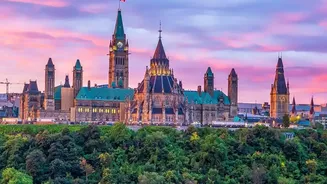
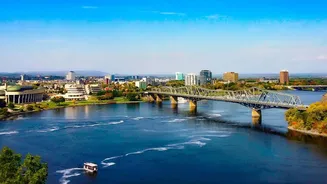
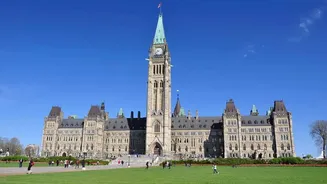
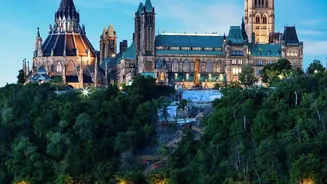
Even Canada's national monuments and historic sites are being seen through a new lens. In Ottawa, landmarks on and around Parliament Hill have traditionally celebrated a narrative of nation-building centered on European settlers and political figures. However, there is a growing call to acknowledge the 'paucity' of monuments dedicated to Indigenous individuals and histories. Activists and community leaders are pushing for the inclusion of monuments that tell a more complete story, such as recognizing Indigenous veterans or commemorating the painful legacy of residential schools, as called for by the Truth and Reconciliation Commission. This push is part of a wider 'decolonizing' effort across the country, which includes renaming places to reflect their original Indigenous names and ensuring historical narratives are inclusive and truthful.
A New Path Forward
This critical re-evaluation of tourist sites isn't just about dwelling on the negative; it's about seeking a more honest and sustainable way to travel. The rise of Indigenous-led tourism is a powerful example of this shift. These experiences offer visitors a chance to engage directly with Indigenous cultures and learn about the land from the perspectives of those who have stewarded it for generations. By moving beyond settler narratives and acknowledging the full context of a place—its environmental limits, its layered histories, and its living cultures—both travelers and the tourism industry can help foster a more respectful and meaningful relationship with Canada’s most cherished landscapes.