




A Digital Doctor for Plants
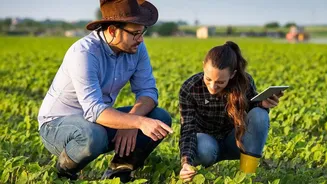
For generations, identifying a crop disease meant relying on experience or the advice of a local pesticide seller, a process that was often costly and based on guesswork. Today, farmers are using AI-powered mobile apps that act like a doctor for their
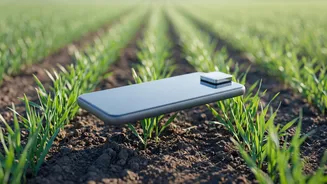
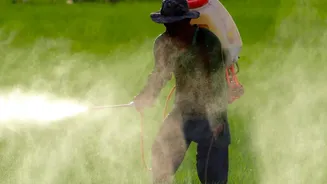
plants. By simply taking a photo of a damaged leaf or stem with their smartphone, the app can diagnose the problem in seconds. Apps like Plantix, for example, use a vast database of images to identify pests, diseases, and even nutrient deficiencies with remarkable accuracy, offering immediate treatment advice. This has been a game-changer, helping farmers take targeted action instead of resorting to broad, often ineffective chemical spraying.
The View from the Fields
In Maharashtra, farmers like Devidas Lonkar have reported saving over a lakh rupees in a single year by using an app to diagnose issues in his sugarcane and vegetable crops, avoiding unnecessary fertiliser and pesticide costs. Similarly, Tushar Kamble, another farmer, discovered his chilli plants were not diseased but simply needed more water, a simple fix suggested by an app that saved his crop. In Punjab, startups like AgNext Technologies are bringing advanced AI solutions to assess food quality right from the farm, helping farmers improve their yield and ensure their produce meets market standards. These ground-level successes demonstrate the tangible impact of putting technology directly into the hands of the farming community.
More Than Just Pest Control
While disease detection is a key feature, these agri-tech platforms offer a full suite of tools. Many provide hyper-local weather forecasts, helping farmers decide the best times for sowing and harvesting. They also offer access to current market prices, empowering farmers to sell their produce at the right time and for a better price, reducing their dependency on middlemen. Some platforms connect farmers with experts for personalised advice or even create a community network where they can share knowledge with peers. The goal is to provide a comprehensive support system that covers the entire crop cycle, from sowing to selling.
Is It Really 'Low-Cost'?
The accessibility of these tools is crucial to their adoption. Many of the most popular diagnostic apps, such as Plantix, operate on a freemium model, where the core disease-detection features are available for free. This has been made possible by the widespread availability of affordable smartphones and cheap mobile data across rural India. Furthermore, government initiatives and partnerships are playing a significant role. Maharashtra, for instance, has launched pilot projects and policies to promote AI in agriculture, aiming to bring these advanced tools to thousands of farmers to increase productivity and save water. This blend of private innovation and public support is ensuring that these powerful tools don't remain a luxury.
Challenges on the Horizon
Despite the promise, the road ahead has its hurdles. Inconsistent internet connectivity in remote areas remains a significant barrier, although some apps are developing offline capabilities to address this. Digital literacy is another challenge; while smartphone usage is high, not all farmers are comfortable navigating new applications. Building trust is also essential, as farmers need to be confident that the advice they receive is accurate and unbiased. Successful adoption often depends on strong on-ground support, including awareness drives and partnerships with local agricultural bodies to train and assist farmers.