




Recognising the Danger: Signs of Heatstroke
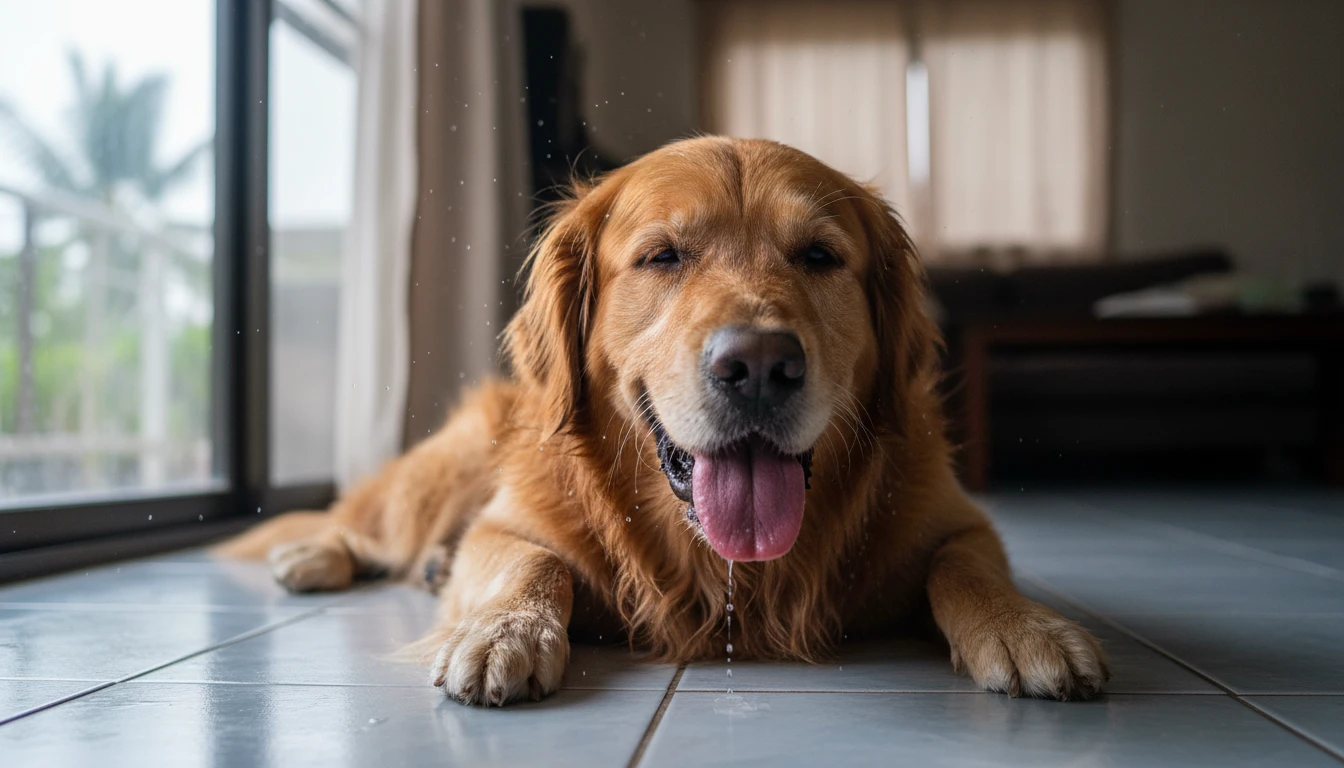
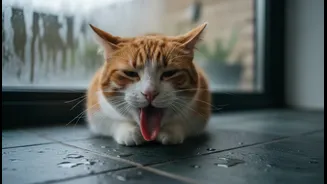
Before anything else, every pet owner must know the signs of heatstroke. This condition is a medical emergency that can quickly become fatal. Unlike humans, most pets can't sweat effectively to cool down. Dogs, for example, primarily pant and sweat through
their paw pads. Watch for excessive panting, heavy drooling, and difficulty breathing. Other critical signs include bright red or pale gums, weakness, confusion, stumbling, vomiting, or diarrhoea. In cats, open-mouth panting is a particularly alarming sign. If you see any of these symptoms, move your pet to a cooler place, apply cool (not ice-cold) water to their body, and contact your veterinarian immediately.
Cooling Your Canine Companion
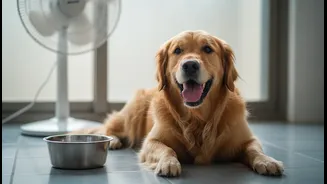
Dogs need special attention during Indian summers. Their daily walks must be rescheduled to the early morning or late evening to avoid scorching hot pavement, which can burn their paw pads. A simple test: if the pavement is too hot for the back of your hand for five seconds, it's too hot for your dog. Always provide multiple bowls of fresh, clean water around the house. Adding a few ice cubes can help keep it cool. For meals, consider switching to lighter options or adding wet food, which has a higher water content. While it might seem intuitive to shave your dog's thick coat, this can be counterproductive. Their fur provides insulation from the heat and protection from sunburn; a good trim and regular brushing to remove loose hair is a better strategy.
Keeping Cats Calm and Cool
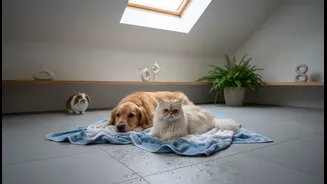
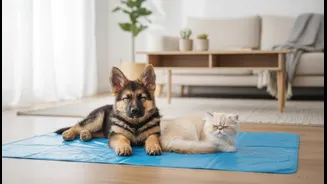
Cats are masters of finding cool spots, but they still need help when the heat is intense. Ensure they have access to a well-ventilated space indoors, away from direct sunlight. Marble or tile floors are often a favourite lounging spot. You can also create cool zones by placing damp towels on the floor. Like dogs, cats need constant access to fresh water. Since some cats are picky drinkers, a water fountain can encourage them to hydrate more. Regular grooming is also beneficial, as brushing removes loose fur and helps them stay more comfortable. Cats are generally more subtle in showing distress, so watch for changes in behaviour like restlessness or hiding.
Don't Forget the Smallest Pets
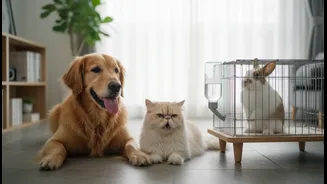
Small animals like rabbits, guinea pigs, hamsters, and birds are extremely sensitive to heat. Their enclosures must be kept out of direct sunlight at all times, as a cage can heat up like an oven. Provide cool surfaces for them to lie on, such as a ceramic tile or a marble slab that has been chilled in the refrigerator. A frozen water bottle wrapped in a towel placed in their cage can provide a safe, cool spot to lie against. For rabbits, you can gently mist their ears with water, as they regulate body temperature through them. Ensure their water bottles or bowls are always full.
What About Our Feathered Friends?
Pet birds also struggle in high temperatures. Key symptoms of overheating include panting or rapid breathing and holding their wings away from their bodies. To help them, you can provide a shallow dish of water for bathing, which is a natural way for them to cool down. Lightly misting your bird with cool water from a spray bottle can also offer relief. As with other pets, ensure their cage is in a shaded, well-ventilated area and that they have constant access to fresh, clean water. Adding ice cubes to their water can help keep it cool. Placing a damp towel near the cage can also help create a more refreshing environment.