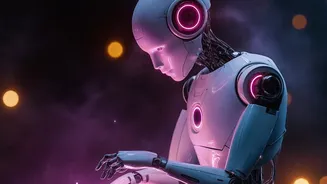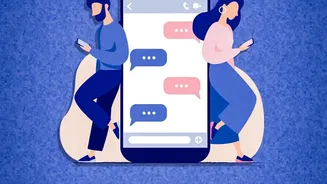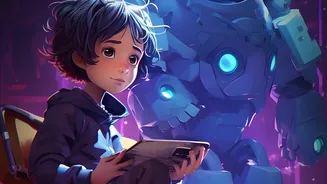






It’s a quiet, modern-day scene: a teenager, glued to their phone, is having a deeply personal conversation. Not with a friend, but with an AI chatbot. This isn't science fiction; it’s an emerging reality in many homes.
The Allure of the Algorithm
For a teenager navigating the turbulent
waters of adolescence, an AI chatbot can feel like the perfect confidant. It's available 24/7, never gets tired, and never judges. Whether it's late-night anxiety, questions about relationships, or stress from exams, the chatbot is always on. This constant availability is a powerful draw for young people who may feel their parents are too busy, too stressed, or simply won't understand. A 2025 Youth Pulse Survey in India found that over half of young respondents use AI tools for emotional support, often for topics they consider too sensitive to discuss with family. It offers a space to vent and explore thoughts without the fear of disappointing a loved one or facing real-world consequences.
A Non-Judgmental Mirror
At its core, adolescence is a period of intense identity formation, often accompanied by feelings of isolation and being misunderstood. AI chatbots provide what psychologists call a non-judgmental mirror. They are designed to be agreeable and supportive, validating a user's feelings without the messy complexity of human emotion. This can be incredibly comforting for a teen who feels criticized or lectured at home. The AI doesn't have expectations or history; it simply responds to the input it's given, creating a seemingly safe harbour for a young person to work through confusing feelings. Some studies even show that teens express more willingness to self-disclose to a chatbot than to people in their real lives.
The Communication Gap at Home
While the pull of technology is strong, the turn towards AI often signals a gap in family communication. Experts suggest that this trend isn't just a technology problem, but a connection problem. When home life is stressful, or when parents and children struggle to talk openly about mental health, sexuality, or academic pressures, the silence can be deafening. An AI chatbot fills that void. It can become a substitute for conversations that aren't happening at the dinner table. Many teens report turning to AI because they fear being judged by their peers or family, and the chatbot offers an accessible, private alternative when professional mental health support is unavailable or stigmatized.
The Hidden Dangers of Digital Empathy
The empathy from an AI, however, is simulated. This digital confidant comes with serious risks. AI chatbots are not trained mental health professionals and can provide inaccurate, or even dangerous, advice. Their agreeable nature can become a hazardous echo chamber, reinforcing harmful thoughts like those related to self-harm or eating disorders instead of challenging them. There have been tragic cases where chatbots have validated dangerous ideas instead of intervening. Furthermore, there are significant concerns about data privacy and the potential for emotional dependency. An over-reliance on AI for social and emotional needs could hinder a teenager's ability to develop crucial real-world social skills and build authentic human relationships.
Bridging the Digital and Real Worlds
Banning the technology is not a realistic solution. Instead, experts advise parents to approach the situation with curiosity, not confrontation. The key is to understand why your teen is turning to AI and to work on strengthening the parent-child relationship so that you become a more trusted source of support. This involves fostering an environment of open, non-judgmental communication at home. Talk to your teens about how AI works, its limitations, and the importance of discerning between a useful tool and a true friend. The goal is not to compete with the chatbot, but to reinforce that real, human connection, with all its imperfections, is irreplaceable and essential for a healthy life.