

Beyond the world of politics, family traditions offer a rare and intimate glimpse into the lives of public figures. Recently, Sonia Gandhi shared memories of festival foods, opening a window into the cherished Kashmiri culinary heritage of her family.
A Legacy Served on a Plate
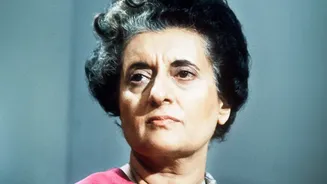
For the Nehru-Gandhi family, with its deep Kashmiri Pandit roots, food has always been more than just sustenance; it is a powerful link to their ancestry. In a recent candid conversation with her daughter Priyanka and granddaughter Miraya, Sonia Gandhi reminisced about how Kashmiri food has been a constant feature of their family festivals, a tradition that continues to this day. These culinary practices were lovingly maintained by her mother-in-law, Indira Gandhi, who, despite being born and raised in Allahabad, ensured that the family's Kashmiri identity was preserved through its meals and celebrations. Sonia Gandhi, who initially found it difficult to adapt to Indian spices, gradually embraced these traditions, becoming a custodian of the family's culinary legacy.
The Sweet Taste of Celebration
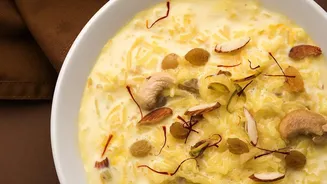
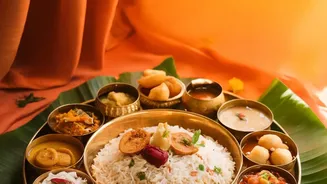
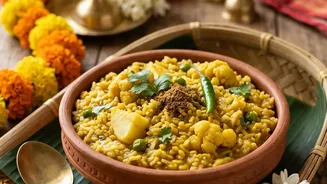
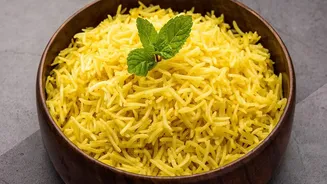
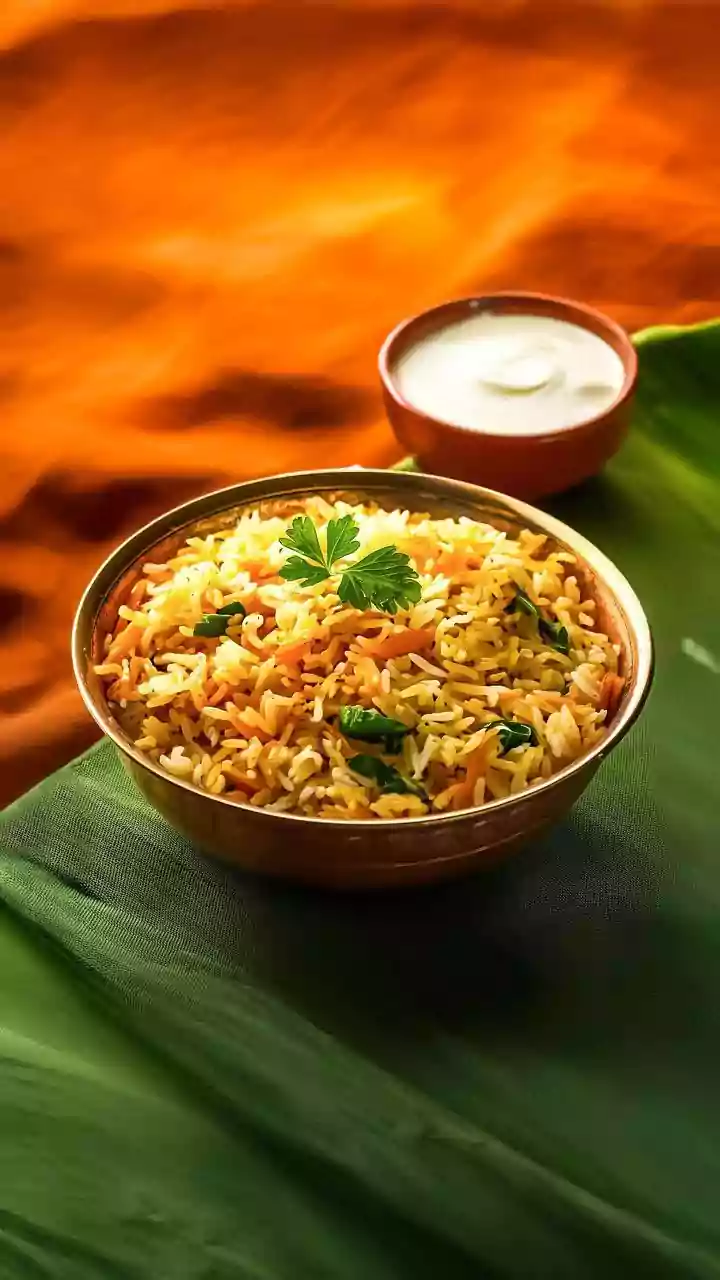
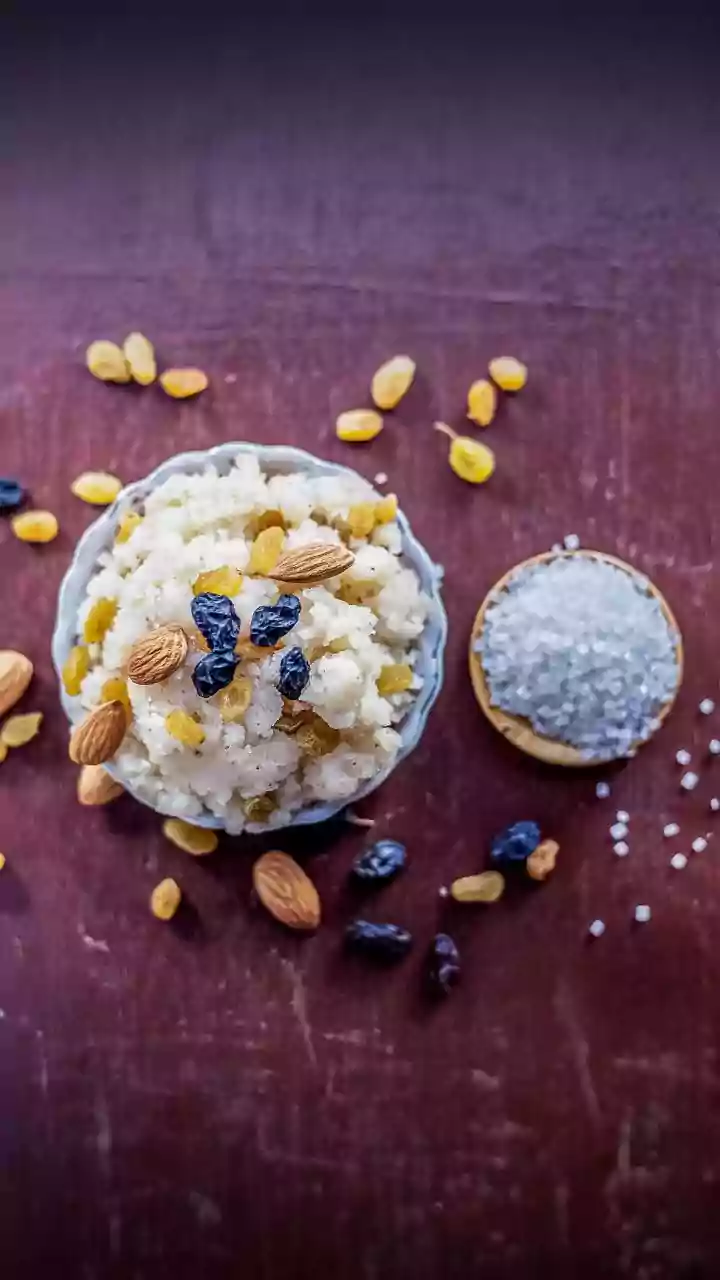
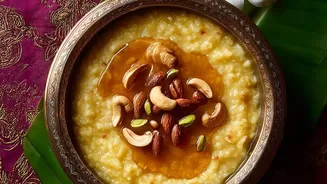
One of the specific dishes Sonia Gandhi recalled as a festival staple is a traditional sweet rice. This is likely 'Modur Pulav', a quintessential Kashmiri Pandit celebratory dish. Unlike a savoury pulao, Modur Pulav is a fragrant, sweet rice preparation, rich with ghee, milk, and an array of nuts and dried fruits. Its vibrant yellow hue comes from a generous amount of saffron, a prized spice from the valley. This dish is not just for Diwali; it marks many auspicious occasions, from birthdays to festivals like Nauroz, the Kashmiri New Year, underscoring its importance in the family's cultural calendar.
The Heart of a Kashmiri Meal
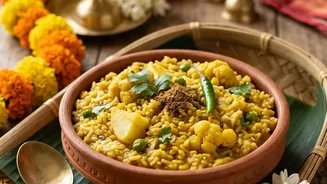
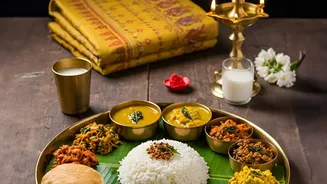
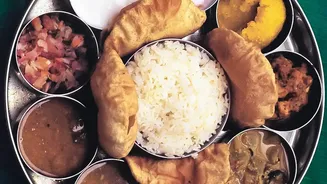
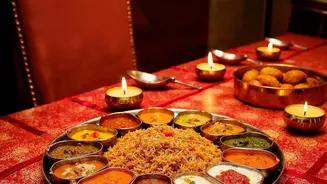
While sweet rice is for celebrations, the everyday meals in the household were also predominantly Kashmiri Pandit in style. Sonia Gandhi has mentioned 'haak', a simple but essential dish of collard greens, as a household favourite. Other iconic dishes that define a traditional Kashmiri feast include 'Dum Aloo', where potatoes are slow-cooked in a tangy yoghurt-based gravy, and 'Nadur Yakhni', a delicate curry made from lotus stems. A key feature of this cuisine is the use of asafoetida (hing), fennel, and dry ginger powder instead of onions and garlic, which creates a unique and aromatic flavour profile.
More Than Just Food
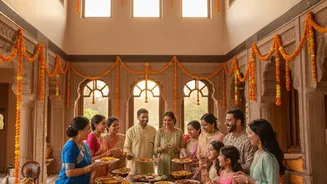
These shared memories extend beyond the dining table. Sonia Gandhi also spoke of how Diwali was celebrated with diyas lighting up every corner of the home at 1, Safdarjung Road, and trips to Old Delhi with Rajiv Gandhi to buy firecrackers. The stories paint a picture of a family deeply rooted in its cultural practices, where festivals were a time for togetherness, with friends from all communities visiting. By embracing and continuing these traditions, from the food she learned to cook to the ceremonies she upheld for her own children's weddings, Sonia Gandhi has woven herself into the fabric of the family's Kashmiri heritage.