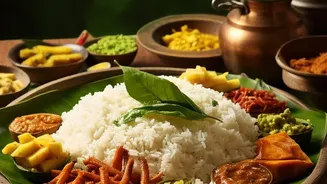




Plan Your Prep, Perfect Your Dishes
The secret to a stress-free Sadhya is preparation, a practice known as 'mise en place'. Before any heat is applied, chop all your vegetables, but do so strategically. Harder vegetables like yam, carrots, and raw bananas take longer to cook than ash gourd
or cucumber. Group them by cooking time. Grate your coconut, prepare your spice pastes, and even make pickles like Puli Inji a day or two in advance. This organised approach not only saves time but is your first line of defence against the chaos that leads to overcooked, mushy vegetables. With everything ready, you can focus purely on the cooking process for each individual dish, giving it the attention it deserves.
Master Your Gravies: Sambar to Pulissery
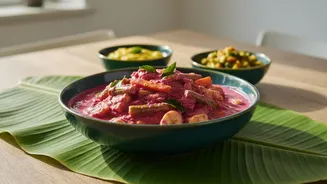
The heart of a Sadhya lies in its gravies. For Sambar, the timing of adding vegetables is crucial. Add drumsticks and potatoes earlier, while okra and tomatoes should go in much later to prevent them from disintegrating into the dal. For coconut-based curries like Pulissery or Kalan, the cardinal rule is to never boil the gravy after adding the coconut paste. Simmer on the lowest flame just until it’s heated through. Boiling can cause the coconut to split or curdle, ruining the creamy texture and delicate flavour you worked so hard to build. This gentle heating is essential for a smooth finish.
The Secret to Crisp Thoran
The beauty of a good Thoran, a dry dish often made with cabbage or beans and grated coconut, is its texture. Overcooking is the enemy here. For Thoran, after adding the vegetables to the tempered spices, you only need to steam them briefly. Sprinkle a little water, cover, and cook on low heat until just tender-crisp, not soft. For the last minute or two, cook with the lid off to ensure any excess moisture evaporates. This final step is key to achieving the characteristic dry and crisp texture that makes a Thoran stand out on the banana leaf.
The Delicate Dance of a Perfect Avial
Avial, a medley of vegetables in a coconut-yoghurt base, is a masterpiece of balance. The biggest challenge is cooking multiple vegetables together without turning them into a uniform mush. The trick lies in sequential cooking. Start with the longest-cooking vegetables first, like yam and plantain. Once they are partially cooked, add the medium-cooking ones like carrots and beans, and finally the quickest-cooking ones such as cucumber and ash gourd. Each vegetable should be identifiable in the final dish. Just as with other coconut dishes, add the ground coconut and curd mixture at the very end and gently mix on low heat. Never let it come to a rolling boil.
Sweet Success: Payasam Without the Scorch
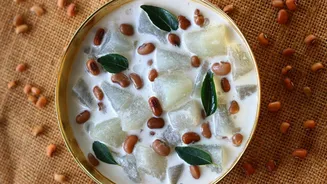
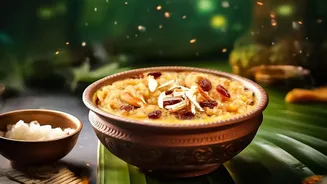
The grand finale, Payasam, can end in tragedy if the bottom of the pot gets scorched. For milk-based payasams like Palada Pradhaman, using a heavy-bottomed pan is non-negotiable. This distributes heat more evenly and significantly reduces the risk of burning. Stir constantly and patiently, especially after adding sugar, as it can easily caramelise and stick to the bottom. For jaggery-based payasams, a critical step is to allow the jaggery syrup to cool down completely before adding it to cooked dal or coconut milk. Adding hot syrup to a hot base will almost certainly cause it to curdle. Patience is the key to a smooth, luscious dessert.