



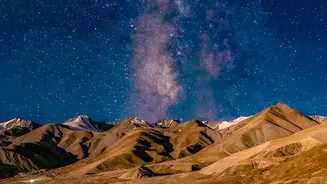

The High-Stakes Problem of a Thirsty Paradise
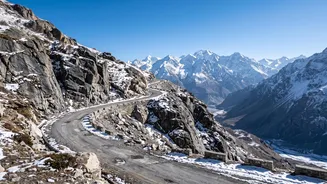
High-altitude regions like Ladakh and parts of Himachal Pradesh are naturally water-stressed. These cold deserts receive minimal rainfall and have historically depended on the slow melt of glaciers and snow to replenish their water sources. However, climate
change has disrupted this delicate balance. Glaciers are receding at an alarming rate, and snowfall patterns have become erratic, leading to drying springs and dwindling water supplies for local communities. This situation creates a paradox where regions that are the source of major rivers face intense water shortages, a problem amplified by rapid, often unplanned, urbanisation.
Tourism's Unquenchable Footprint
The boom in tourism, while economically beneficial, places immense pressure on these fragile ecosystems. The influx of visitors during peak season causes a massive surge in water demand. Studies show that a single tourist can use significantly more water than a local resident, sometimes up to ten times more, especially in luxury accommodations. The expectation of modern amenities like flush toilets and daily laundry service, which are water-intensive, strains the limited local water infrastructure. In places like Leh, the proliferation of hotels and guesthouses has led to the over-extraction of groundwater, causing water tables to drop and some villages to face abandonment due to lack of water.
A Shift in Hospitality: From Consumption to Conservation
Recognising their role in the crisis, a growing number of hotels and resorts are leading a change towards mindful water management. The focus is shifting from luxury defined by excess to a new model where sustainability is the ultimate amenity. These establishments are implementing a range of innovative strategies to drastically cut their water footprint. Simple yet effective measures include installing low-flow fixtures and aerators in taps and showers, which can reduce water usage by over 50% without compromising guest comfort. Encouraging guests to reuse linens and towels also significantly cuts down on laundry, one of a hotel's most water-intensive operations.
Harnessing Technology and Tradition
Beyond basic measures, forward-thinking hotels are investing in advanced technologies and reviving traditional methods. Greywater recycling systems are becoming more common, treating water from showers and sinks to be reused for flushing toilets or irrigating gardens. Many properties are also installing extensive rainwater harvesting systems to capture monsoon rains, reducing their reliance on municipal sources or groundwater. Some establishments, like the Six Senses Vana in Uttarakhand, have achieved LEED Platinum certification, in part due to sophisticated water management that includes treating and reusing all wastewater on-site. These technological solutions are often paired with xeriscaping, a landscaping method that uses native, drought-resistant plants to create beautiful gardens that thrive with minimal water.
The Ripple Effect of Responsible Tourism
The commitment to water conservation by these hotels does more than just save a precious resource. It lowers operational costs, reduces the hotel's carbon footprint by decreasing the need for water tankers, and sets a powerful example for the entire industry. When hotels prioritise sustainability, they also educate their guests, raising awareness about the environmental challenges of the region and fostering a culture of responsible travel. This collective effort, involving hoteliers, staff, and tourists, creates a positive ripple effect. It demonstrates that the hospitality industry can be a partner in preservation, ensuring that the stunning landscapes of India's high-altitude destinations can be enjoyed by generations to come while protecting the livelihoods of the local communities who call these mountains home.