







More Than Just a Walk in the Park
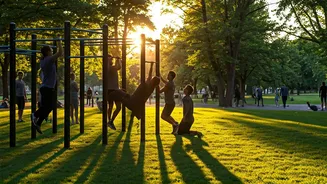
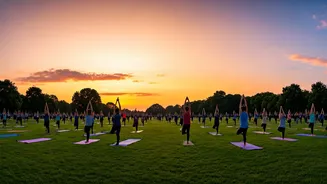
The scene is becoming more common in cities from Mumbai to Bengaluru: a fitness enthusiast forgoes the brightly lit gym for a simple patch of park grass. They kick off their expensive trainers and begin a series of deliberate, flowing movements. This
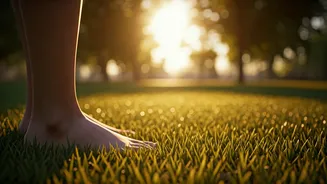
is the essence of barefoot grass mobility drills. The practice involves performing functional exercises—like squats, lunges, hip circles, and even animal-like crawls—directly on the earth. It’s a workout stripped back to its basics: just the body and the ground. Far from being a random act, it’s a calculated method to improve how we move, one that practitioners believe offers benefits that a treadmill or weight machine simply cannot replicate.
The Science Beneath Your Feet
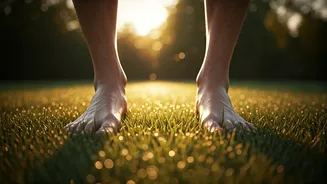
To understand the 'why,' you need to start from the ground up—literally. The sole of the human foot is a marvel of biological engineering, containing over 200,000 nerve endings. It's a sensory powerhouse designed to send constant, detailed feedback to the brain about the texture, shape, and incline of the surface you’re on. This crucial feedback system is known as proprioception, or your body’s sense of its position in space. Modern shoes, particularly highly cushioned running shoes, act like thick gloves for your feet. They muffle this vital conversation between your feet and your brain, reducing your ability to make micro-adjustments in balance and stability. Training barefoot on a varied, natural surface like grass reawakens this entire sensory system, leading to improved balance, coordination, and a more profound mind-body connection.
Rebuilding a Strong Foundation
For decades, the answer to foot pain and injury prevention was thought to be more support and more cushion. However, a growing school of thought in physiotherapy and functional fitness argues the opposite. When we encase our feet in rigid, overly supportive shoes, the dozens of small, intrinsic muscles within the foot and lower leg become lazy and weak. These muscles are supposed to support our arches, provide shock absorption, and act as a stable base for all movement. When they atrophy, the stress is transferred up the kinetic chain, potentially contributing to common ailments like plantar fasciitis, shin splints, and even knee and hip pain. Barefoot mobility drills force these dormant muscles to fire up and do their job again, effectively rebuilding your body's foundation from scratch for stronger, more resilient movement patterns.
A Rebellion Against the 'Box'
The trend isn't just about biomechanics; it's also a cultural statement. For many urban gymmers, it represents a quiet rebellion against the sterile, machine-filled environment of the conventional gym—often referred to as 'the box.' It’s a low-cost, highly accessible way to train that requires no membership fee or fancy equipment. Furthermore, it taps into the broader wellness concept of 'grounding' or 'earthing,' the idea that direct physical contact with the earth's surface can have positive effects on well-being, such as reducing inflammation and stress. In a life spent in high-rises and insulated offices, the simple act of feeling grass underfoot provides a much-needed dose of nature, offering mental health benefits alongside the physical ones.
How to Get Started Safely
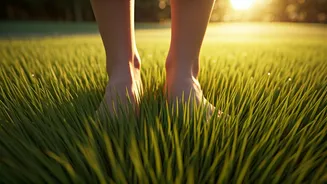
Intrigued? The key is to start slowly and carefully. Your feet have likely been 'asleep' for years and need time to adapt. Begin by simply walking barefoot on a clean, soft, and safe patch of grass for five to ten minutes a day. Scan the area for any sharp objects before you begin. Once comfortable, you can progress to simple drills. Try standing on one leg to challenge your balance, doing slow and controlled calf raises, or performing gentle walking lunges. Pay close attention to how your feet feel. A little muscle soreness is normal, but sharp pain is a signal to stop. The goal is to gradually increase the duration and intensity as your foot strength and tolerance improve.