








The AI Assistant in the Design Studio
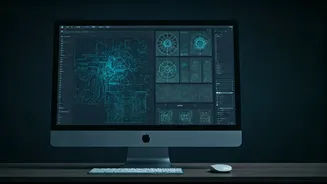
Imagine a junior designer who never sleeps, never needs a coffee break, and can generate a dozen layout options in seconds. That, in essence, is a predictive layout engine. These are sophisticated AI systems integrated into design software that analyze
content—like text, images, and brand guidelines—and automatically suggest or generate professional-looking layouts. Unlike simple templates, these engines use machine learning to understand the principles of visual hierarchy, balance, and alignment. They can instantly resize a design for different social media platforms, suggest complementary font pairings, or create multiple variations of a banner ad, all based on a single set of assets. For firms in cities like Bengaluru and Mumbai, where client demands are constant and turnaround times are tight, this technology is not just a novelty; it's a potential game-changer.
Beyond Simple Automation
The core function of these tools is to save time on repetitive, non-creative tasks. Think about the hours a designer might spend manually adjusting spacing for a text-heavy report or creating 20 slightly different versions of a social media post. Predictive engines can handle this 'grunt work' in moments. For example, an engine can analyze a block of text and a set of images and instantly propose several well-structured arrangements for a magazine page or a website homepage. This goes beyond simple automation. The AI learns from vast datasets of successful designs, allowing it to make intelligent suggestions that a human designer might not have considered. This process, often called 'generative design,' moves the designer from being a manual builder to a curator, selecting and refining the best options from a slate of AI-generated ideas.
The Currency of Time and Creativity
The most significant benefit, as the headline suggests, is time. By automating the foundational and often tedious parts of the design process, firms report being able to take on more projects without expanding their team. This newfound efficiency translates directly into better profitability. But the advantage isn't just financial. When designers are freed from the drudgery of pixel-pushing and versioning, they have more time and mental energy to focus on higher-level creative thinking. This means more time for strategy, concept development, and refining the core message of a campaign. Instead of spending 80% of their time on execution and 20% on ideas, designers can flip that ratio. The result is not just faster work, but potentially better and more impactful work.
Redefining the Designer's Role
Naturally, the rise of AI in a creative field raises questions about the future of jobs. Are these engines coming to replace human designers? The consensus, for now, is no. These tools are powerful, but they lack true understanding, cultural context, and the ability to interpret a client's vague feedback. An AI can create a visually pleasing layout, but it can't understand *why* a particular shade of blue is crucial to a brand's identity or why a certain image will resonate with a specific Indian audience. The role of the designer is therefore evolving from a creator of assets to a creative director. Their job becomes about setting the right prompts for the AI, curating the output, and adding the final layer of human intuition, emotion, and strategic insight that no algorithm can replicate. The most valuable skill is no longer just proficiency in software, but the ability to guide technology to a brilliant result.
The Indian Design Scene Responds
In India's thriving digital economy, design firms are quickly adapting. Many are already using tools with built-in AI features, like those in Adobe's Creative Suite or Canva's platform, which have become staples in agencies from Delhi to Chennai. The integration isn't always a formal, top-down decision but often a bottom-up adoption by designers looking for an edge. Freelancers, in particular, are leveraging these tools to compete with larger agencies, delivering professional results in a fraction of the time. The challenge for the Indian market will be to ensure that as these tools become more widespread, the focus remains on unique, culturally relevant design rather than a homogenized, algorithm-driven aesthetic. The firms that succeed will be those that use predictive engines not as a crutch, but as a springboard for even greater creativity.