



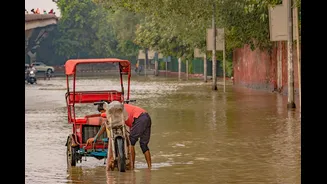
The Deception of Waterlogged Roads
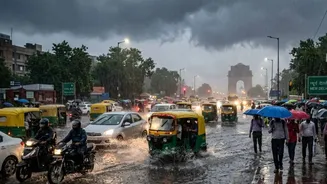
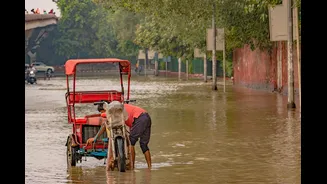
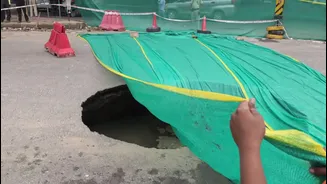
The most visible sign of rain in the city is waterlogging, but its real danger lies in what you can't see. That murky pool of water covering the road can conceal a host of threats. Open manholes, deep potholes, and sharp debris are common culprits that
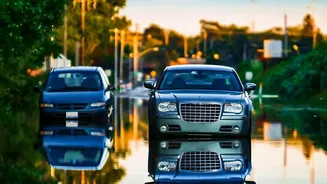
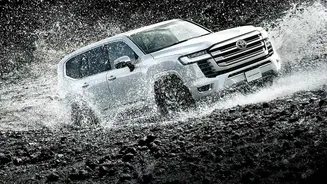
can cause immediate accidents, particularly for two-wheelers. For cars, driving through even seemingly shallow water can be a costly mistake. If water enters the engine's air intake, it can lead to a hydrostatic lock, a catastrophic failure that can seize the engine completely. Many vehicles break down after drivers misjudge the depth, leaving them stranded in rising water.
Gridlock That Lasts for Hours
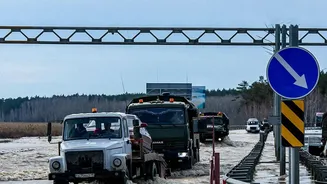
A ten-minute drive can easily become a multi-hour ordeal during a downpour. Traffic is the most obvious consequence, but it’s more than just a simple delay. Waterlogging forces vehicles to slow to a crawl, effectively reducing multi-lane roads to a single usable lane. Key arterial roads and underpasses across Delhi, Gurugram, and Noida are known to flood, causing a ripple effect that chokes the entire network. Getting stuck in these jams isn't just frustrating; it leaves commuters vulnerable, burning fuel, and potentially stranded far from home as conditions worsen.
The Silent Threat of Electrocution
Perhaps the most lethal and overlooked danger during monsoon is electrocution. Fallen or sagging electrical wires, submerged junction boxes, and faulty streetlamp poles can energise standing water. Since floodwater is often murky, it is impossible to see the source of the current. Tragically, incidents of people being electrocuted simply by wading through a waterlogged street are reported every year across Indian cities, including Delhi-NCR. It is a deadly risk that makes avoiding any contact with floodwater a critical safety rule.
Vehicle Control and Visibility Issues
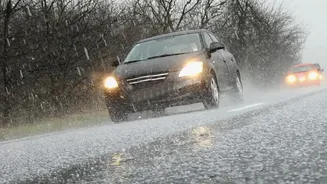
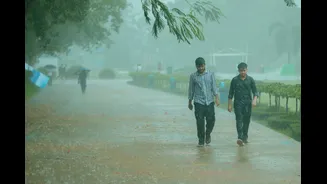
Rain drastically reduces driver reaction time. Reduced visibility from heavy showers and the spray from other vehicles makes it harder to spot pedestrians and other hazards. Furthermore, wet roads are notoriously slippery, mixing with oil and grime to reduce tyre grip. This increases braking distances and the risk of hydroplaning, where tyres lose contact with the road surface, causing the driver to lose control. Two-wheelers are especially vulnerable to falls on slick surfaces and are often harder for other drivers to see in poor conditions.
How to Stay Safe
While some journeys are unavoidable, a few precautions can significantly lower your risk. Firstly, if possible, simply wait for the rain to subside. Check traffic updates and waterlogging reports before you leave. Never attempt to drive through a flooded road if you cannot gauge its depth; it is always better to turn back and find an alternative route. Maintain a slow, steady speed and keep a greater distance from the vehicle ahead. Crucially, stay far away from electrical poles and visible wiring when navigating wet streets on foot. If your car stalls in water, do not try to restart it.