

From Sightseeing to Sense of Place
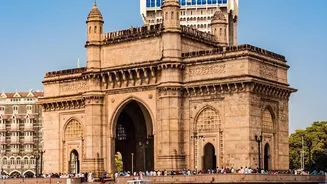
For years, tourism in India often meant a whirlwind tour of the Golden Triangle or a sprint through famous temples and beaches. Today, a significant shift is underway. Travellers are no longer content to just see a place; they want to experience it. This
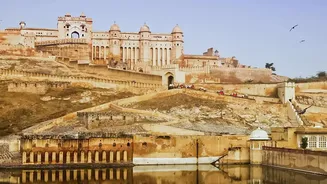
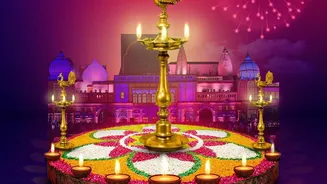
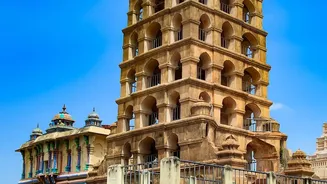
evolution from passive sightseeing to active participation is the core of culture-driven travel. It’s about choosing a destination not for its monuments, but for its stories, traditions, and flavours. A recent report highlighted this change, revealing that two-thirds of Indian travellers now plan their holidays around cultural experiences like heritage, festivals, and food. Instead of just visiting a destination, they are actively participating in it. This means booking a trip to witness Kolkata's Durga Puja, learning a traditional craft in Kutch, or tracing ancient trade routes in Rajasthan.
Meet the New Indian Traveller
This trend is being powered by a new generation of travellers, particularly Millennials and Gen Z. Armed with higher disposable incomes and a curiosity fuelled by social media, they are seeking unique, personal, and authentic journeys. Reports indicate that this younger demographic, aged 18-35, accounts for a majority of experiential travel bookings. For them, travel is an act of self-expression. A staggering 84% of Indians say their interest in culture-led travel has grown in recent years, and they are planning ahead for it. Many now plan their cultural trips three to six months in advance, prioritising festival dates over cheap airfares, a marked change from the typical last-minute planning. This deliberate approach shows that cultural immersion is no longer an afterthought but the primary motivation for their journey.
Beyond the Beaten Path
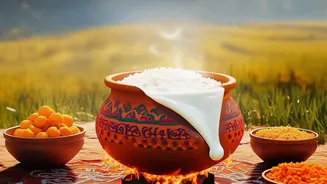
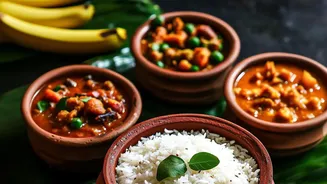
This search for authenticity is pushing the tourism map of India far beyond its traditional hubs. While heritage sites remain a major draw, one in four travellers is now exploring Tier-II and Tier-III towns for cultural experiences. This inward wanderlust is leading them to the river island of Majuli in Assam for its monastic culture, the serene villages around Kannur in Kerala to witness the ancient Theyyam rituals, or the Shekhawati region of Rajasthan for its painted havelis. Food, in particular, has become a powerful driver of travel, with culinary trails and local food exploration becoming central to itineraries. Destinations like Kochi, Almora, and Udaipur are emerging as hotspots for travellers who want to connect with a place through its food, festivals, and local interactions. This shift encourages a deeper engagement with the country's diverse fabric, moving beyond mere aesthetics to genuine understanding.
A More Sustainable Future
The rise of culture-driven travel has profound and positive implications. Economically, it channels tourist spending directly into local communities, providing livelihoods for artisans, performers, and small business owners. When travellers pay for a homestay, a craft workshop, or a meal at a local eatery, they are contributing to the preservation of a way of life. This creates a powerful economic incentive for communities to protect and celebrate their unique heritage. This model fosters a more sustainable form of tourism that values and safeguards cultural and natural resources. It moves away from the high-volume, low-impact model of mass tourism towards something more responsible and respectful. By creating a system where culture pays, destinations can ensure their traditions don't just survive, but thrive for future generations to experience.